Circular Economy in Electronics: Extending Hardware Life
Why It Matters
Circular sourcing reduces spend and downtime while lowering the carbon footprint of manufacturing, making it a strategic imperative for procurement and sustainability leaders.
Key Takeaways
- •Refurbished PLCs cost 30‑50% less than new OEM units.
- •Extending hardware life cuts capital spend and reduces downtime.
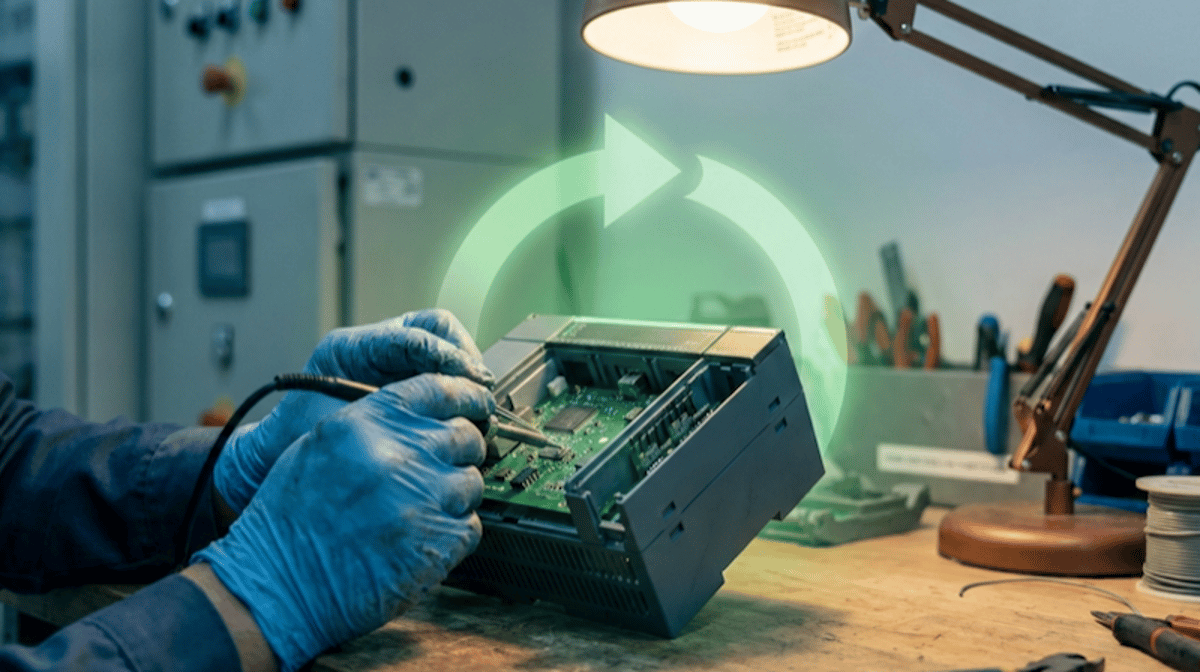
- •Repair labs use thermal imaging, X‑ray, micro‑soldering for board fixes.
- •Secondary market sourcing requires traceability to avoid counterfeit parts.
- •Preventive cooling and battery replacement adds years to equipment lifespan.
Pulse Analysis
The surge in electronic waste coincides with persistent semiconductor bottlenecks, creating a supply‑chain dilemma for manufacturers. By adopting a circular economy model—where hardware is repaired, reused, and recycled—industrial firms can mitigate the risk of part shortages that halt production lines. This approach also aligns with broader ESG goals, as extending the service life of components directly curtails the volume of discarded devices entering landfills.
Economically, refurbished automation equipment delivers a 30‑50% price advantage over brand‑new OEM replacements, translating into substantial savings across multi‑plant operations. Beyond the upfront discount, avoiding forced upgrades—where a single faulty module forces an entire system replacement—preserves capital and minimizes unplanned downtime. Moreover, the embodied carbon of semiconductors is largely incurred during manufacturing; stretching a device’s useful life by five years spreads that emissions burden, delivering a measurable reduction in annualized carbon intensity.
Implementing circular strategies requires disciplined sourcing and rigorous quality assurance. Companies should partner with vetted secondary‑market providers that offer traceability, testing records, and warranties comparable to new parts. Advanced repair facilities now leverage thermal imaging, X‑ray inspection, and micro‑soldering to address board‑level failures efficiently. Coupled with preventive measures—improved cooling, dust filtration, and scheduled battery swaps—these practices can add years to equipment lifespan. As legacy systems outlive OEM support, a robust circular supply network becomes a competitive differentiator, enabling manufacturers to sustain production while advancing sustainability objectives.
Circular economy in electronics: Extending hardware life
Comments
Want to join the conversation?
Loading comments...