Circulose and Spinnova Are Getting Back Together
•March 3, 2026
0
Companies Mentioned
Why It Matters
The alliance could accelerate large‑scale, low‑toxicity circular fibers, helping brands meet tightening EU ecodesign rules and consumer sustainability demands.
Key Takeaways
- •Circulose pulp runs 100% in Spinnova’s process.
- •Spinnova’s 2025 revenue fell 54% to €344k.
- •New consortium includes Tearfil and Tommy Hilfiger.
- •Circulose restarted full‑scale production with 11 brand commitments.
- •Partnership enables circular fiber without toxic chemicals.
Pulse Analysis
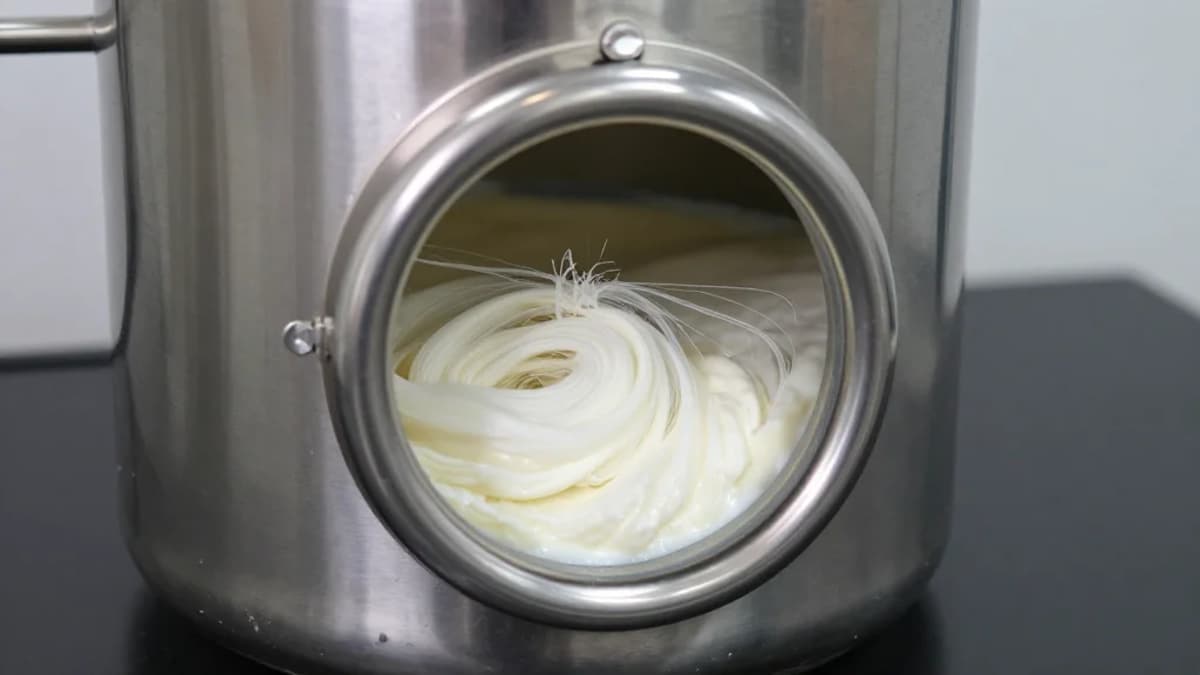
The renewed Circulose‑Spinnova partnership signals a strategic shift toward mechanically spun, waste‑derived fibers that bypass the hazardous chemicals typical of traditional viscose production. By feeding 100 percent cellulose pulp directly into Spinnova’s patented process, the duo can boost recycled content while preserving the hand and durability that fashion brands demand. This approach aligns with the European Union’s upcoming ecodesign regulations, which push manufacturers to reduce the environmental footprint of textile inputs.
Financially, both companies have navigated turbulent periods—Spinnova’s 2025 earnings slumped dramatically, and Circulose emerged from bankruptcy under Altor’s ownership. Their joint venture mitigates risk by diversifying raw‑material sources and expanding the ecosystem to include yarn producers and global apparel labels. The inclusion of partners such as Tearfil Textile Yarns and Tommy Hilfiger not only validates the technology but also creates a ready market pipeline, essential for scaling production beyond pilot runs.
For the broader textile sector, this collaboration offers a blueprint for integrating circular supply chains without overhauling existing manufacturing lines. Mechanical spinning eliminates the need for solvent recovery systems, reducing capital expenditures and operational emissions. As consumer demand for transparent, low‑impact fabrics rises, the Circulose‑Spinnova model could become a cornerstone of sustainable fashion, encouraging other innovators to pursue similar low‑toxicity, high‑recycled‑content solutions.
Circulose and Spinnova Are Getting Back Together
0
Comments
Want to join the conversation?
Loading comments...