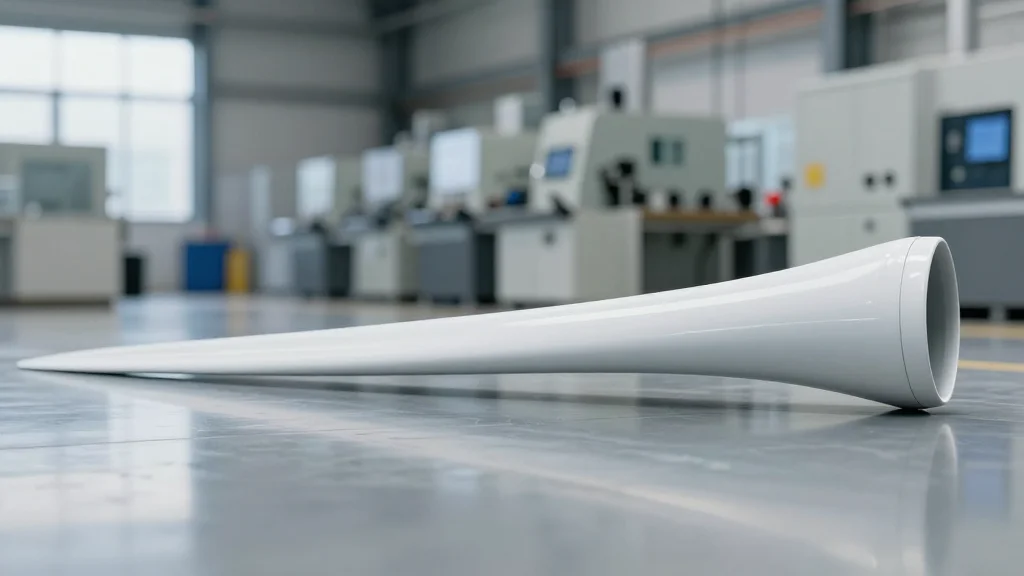
Clean Manufacturing Boom or Capex Cliff? Reports Reveal US Supply Chain Split
Why It Matters
The divergence signals that while the U.S. can produce more clean‑energy components, insufficient capex could choke project pipelines, jeopardizing the nation’s renewable‑energy targets and job growth.
Key Takeaways
- •ACPA reports 30% rise in US clean‑energy manufacturing capacity 2024‑25.
- •Rhodium Group flags 15% drop in renewable‑equipment capex YoY.
- •Domestic wind‑tower output hit 1.2 GW, still below demand.
- •Supply‑chain gaps risk delaying offshore wind projects beyond 2028.
- •Federal incentives remain crucial to sustain manufacturing momentum.
Pulse Analysis
The latest data from the American Clean Power Association (ACPA) underscores a rapid expansion of U.S. clean‑energy manufacturing, with capacity growing roughly 30% over the past year. Wind‑tower production alone reached 1.2 gigawatts, enough to outfit several offshore projects, and the sector now employs tens of thousands of workers across the Midwest and Gulf Coast. This growth reflects a strategic shift toward domestic supply chains, driven by federal tax credits and state‑level clean‑energy mandates that encourage manufacturers to locate near project sites.
Conversely, the Rhodium Group’s analysis paints a more cautionary picture, noting a 15% year‑over‑year decline in capital spending for renewable‑energy equipment. The report attributes the dip to tighter financing conditions, lingering supply‑chain bottlenecks, and uncertainty around future policy incentives. These funding gaps have already manifested as delayed component deliveries for offshore wind farms slated for 2027‑2028, threatening to push project timelines and cost estimates higher. The split between rising production capacity and falling investment highlights a fragility that could undermine the United States’ ambition to meet its 2030 clean‑energy goals.
Policymakers and industry leaders face a clear choice: reinforce financial support mechanisms, such as extending the Production Tax Credit and expanding loan guarantee programs, to keep capital flowing into the sector. Simultaneously, targeted investments in grid infrastructure and workforce training can mitigate supply‑chain disruptions. By aligning incentives with the manufacturing surge, the U.S. can transform the current capex cliff into a sustainable growth trajectory, securing its position as a global leader in renewable‑energy production.
Clean manufacturing boom or capex cliff? Reports reveal US supply chain split
Comments
Want to join the conversation?
Loading comments...