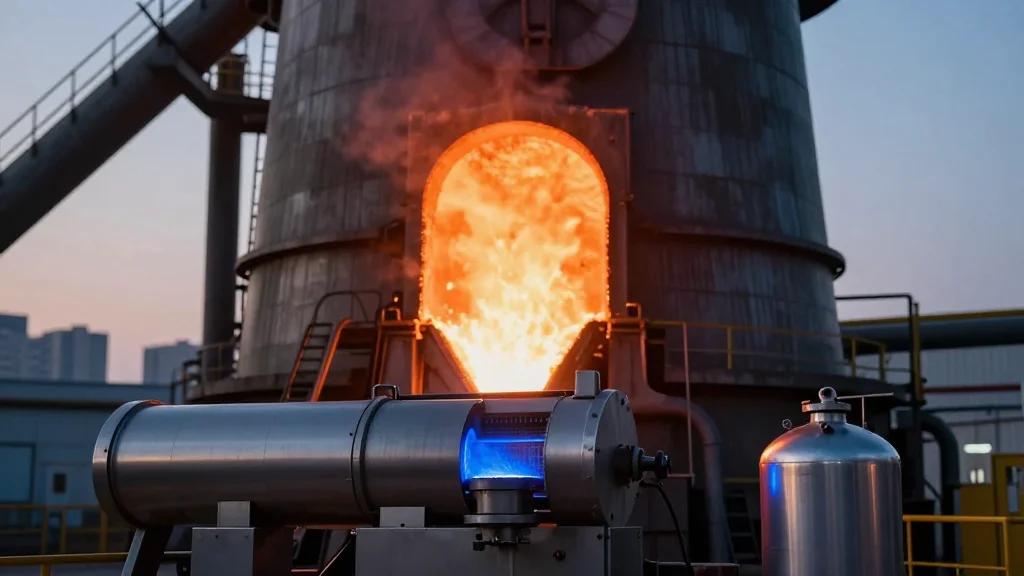
Coal-Based Steelmaking Outpaces the Industry’s Low-Emissions Transition
Why It Matters
The divergence between expanding coal‑based capacity and sluggish low‑carbon adoption threatens global steel emissions targets and could lock in high‑carbon infrastructure for decades. Investors and policymakers must reconcile short‑term profitability with long‑term climate commitments.
Key Takeaways
- •319 MTPA new coal‑based blast furnace capacity planned globally.
- •Blast furnaces still represent 66 % of global steelmaking capacity.
- •Direct‑reduced iron accounts for 10 % capacity; 2 % uses green hydrogen.
- •U.S. Steel commits $1.9 B to DRI plant in Arkansas.
- •Cleveland‑Cliffs abandons Ohio EAF/DRI project after $500 M DOE aid.
Pulse Analysis
The steel sector remains one of the world’s most carbon‑intensive industries, with blast furnaces dominating production despite aggressive decarbonization roadmaps. While electric‑arc furnaces (EAF) have grown to 34 % of capacity, the bulk of new installations are still coal‑fired blast furnaces, adding 319 million tonnes per year. This imbalance reflects the entrenched economics of existing infrastructure and the high upfront costs of transitioning to greener technologies such as direct‑reduced iron (DRI) powered by green hydrogen.
Policy incentives are crucial but have produced mixed signals. The U.S. Department of Energy’s net‑zero‑by‑2050 steel plan assumed less than 10 % of output would come from blast furnaces, yet recent corporate actions—like U.S. Steel’s $350 million blast‑furnace relining and the restart of a furnace in Illinois—show a pragmatic tilt toward short‑term reliability. Conversely, the $1.9 billion DRI investment in Arkansas signals a willingness to experiment with lower‑emission pathways, though the cancellation of Cleveland‑Cliffs’ $500 million Ohio EAF/DRI project underscores the volatility of policy‑driven financing.
The trajectory of steelmaking has profound implications for global climate goals. Continued expansion of coal‑based capacity risks cementing high‑emission assets, making future retrofits costlier and slowing progress toward the Paris Agreement targets. Stakeholders must balance immediate market pressures with strategic investments in green hydrogen, carbon capture, and advanced recycling to ensure the industry does not lock in a carbon‑heavy legacy. Aligning corporate ambition with clear, stable policy frameworks will be essential to shift the momentum toward a truly low‑carbon steel future.
Coal-based steelmaking outpaces the industry’s low-emissions transition
Comments
Want to join the conversation?
Loading comments...