Continuum's Recycled Nickel Material Shown to Significantly Reduce Global Warming Potential per Oregon State LCA
•February 23, 2026
0
Why It Matters
The results demonstrate that near‑zero carbon nickel powder is technically feasible, offering manufacturers a concrete pathway to meet Scope 3 emission targets and reduce reliance on geopolitically sensitive primary nickel supplies.
Key Takeaways
- •Recycled nickel cuts GWP by 58.8% vs virgin
- •Green electricity/argon pushes reduction to 98.7%
- •Nickel powder critical for aerospace, defense, energy sectors
- •Study highlights feedstock choice as primary emission lever
- •Continuum’s Greyhound M2P uses DC plasma for powder
Pulse Analysis
The Oregon State University Life Cycle Assessment underscores a growing shift in metal additive manufacturing toward circular feedstocks. By quantifying emissions across production stages, the study provides a data‑driven benchmark that contrasts traditional nickel extraction—responsible for roughly 62% of total GWP—with Continuum’s reclaimed material. This granular insight equips supply‑chain managers with a clear metric to evaluate sustainability claims and aligns with broader industry moves to embed environmental performance into material selection criteria.
Beyond the baseline reduction, the LCA reveals that coupling recycled nickel with renewable electricity and low‑carbon argon can almost eliminate the carbon footprint of powder production. Such a combination addresses two critical levers: energy sourcing and inert gas provision, both of which dominate emissions in the recycled scenarios. For manufacturers bound by Scope 3 reporting obligations, the near‑total reduction scenario offers a realistic target, supporting reshoring initiatives and mitigating exposure to volatile nickel markets.
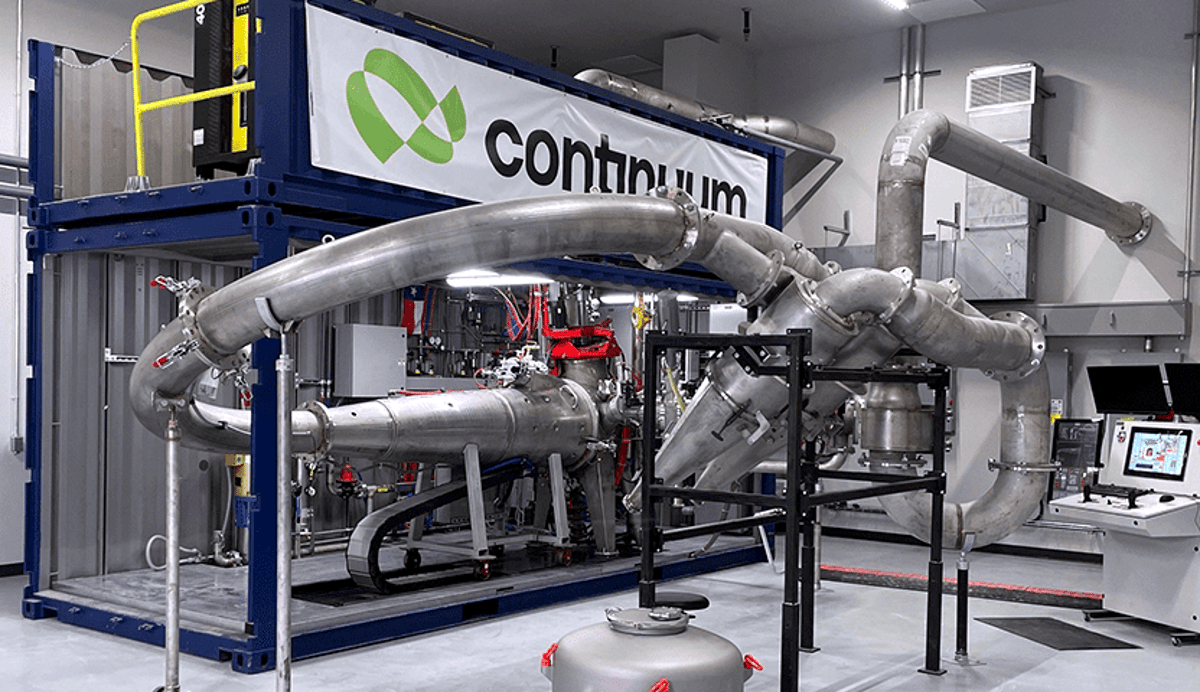
Continuum’s Greyhound M2P System, which atomises reclaimed metal using a DC plasma source, translates these environmental gains into a commercially viable process. Its ability to deliver uniform, spherical powders meets the stringent quality demands of aerospace propulsion, defense platforms, and emerging energy infrastructure. As policy frameworks tighten and customers demand verifiable carbon reductions, technologies that combine material reuse with green utilities are poised to become standard. Continued investment in such closed‑loop solutions will likely accelerate the decarbonisation of high‑performance metal components across multiple sectors.
Continuum's recycled nickel material shown to significantly reduce global warming potential per Oregon State LCA
0
Comments
Want to join the conversation?
Loading comments...