Critical Resources Booms on Solid-State Battery Breakthrough
Why It Matters
The one‑step process tackles the costly, reliability‑critical interface between cathode and electrolyte, potentially accelerating solid‑state battery adoption in EVs and consumer electronics. By licensing the technology, Critical could reshape the battery supply chain without heavy capital investment in manufacturing.
Key Takeaways
- •Dry spray deposition prints cathode, electrolyte, conductor in one step
- •Process eliminates solvents, binders, ovens, reducing manufacturing cost
- •15 µm composite layer deposited on aluminum foil, comparable to hair thickness
- •Single-step method improves cathode‑electrolyte interface, boosting cell reliability
- •Company plans to license technology, not mass‑produce batteries
Pulse Analysis
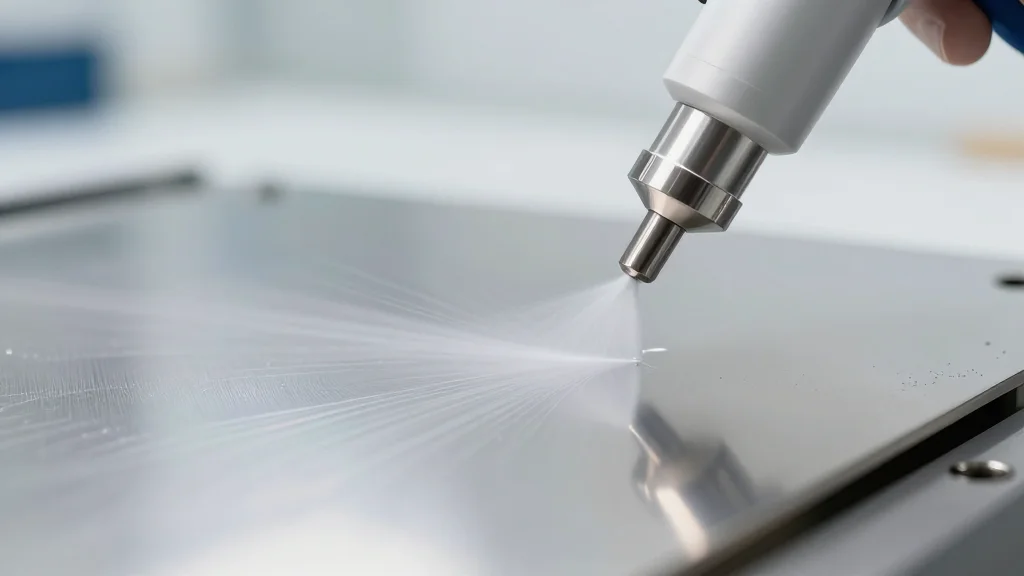
The solid‑state battery market has long been hampered by complex, energy‑intensive manufacturing that relies on multiple wet‑chemical steps. Critical Resources’ dry spray deposition (DSD) technology sidesteps these hurdles by "3D printing" the core cell components in a single pass at ambient temperature. Eliminating solvents, binders, drying ovens and furnaces not only slashes capital expenditures but also reduces the environmental footprint, positioning the process as a greener alternative to conventional lithium‑ion production.
Technical validation is equally compelling. By co‑depositing a lithium‑iron‑phosphate cathode, a lithium‑lanthanum‑zirconium‑oxide solid electrolyte, and a carbon‑nanotube conductive network, the company creates a dense, uniform 15‑micron coating that directly addresses the notorious cathode‑electrolyte interface failure mode. The integration of its proprietary amorphous solid‑state electrolyte (ASE) promises faster ion transport, higher energy density, and improved safety. Partnering with the South Dakota School of Mines under an NSF‑funded program gives Critical an exclusive option on a portfolio of patents, strengthening its intellectual property moat.
From a commercial perspective, Critical Resources is betting on a licensing model rather than building factories, allowing battery makers to adopt the DSD process without massive upfront investment. The market responded positively, with shares jumping 42% on news of the breakthrough. If electrochemical testing confirms performance gains, automakers and consumer‑electronics firms could accelerate the shift to solid‑state cells, reshaping the EV supply chain and opening new revenue streams for the company. The next milestone—full‑format pouch‑cell validation—will be closely watched by investors and industry analysts alike.
Critical Resources booms on solid-state battery breakthrough
Comments
Want to join the conversation?
Loading comments...