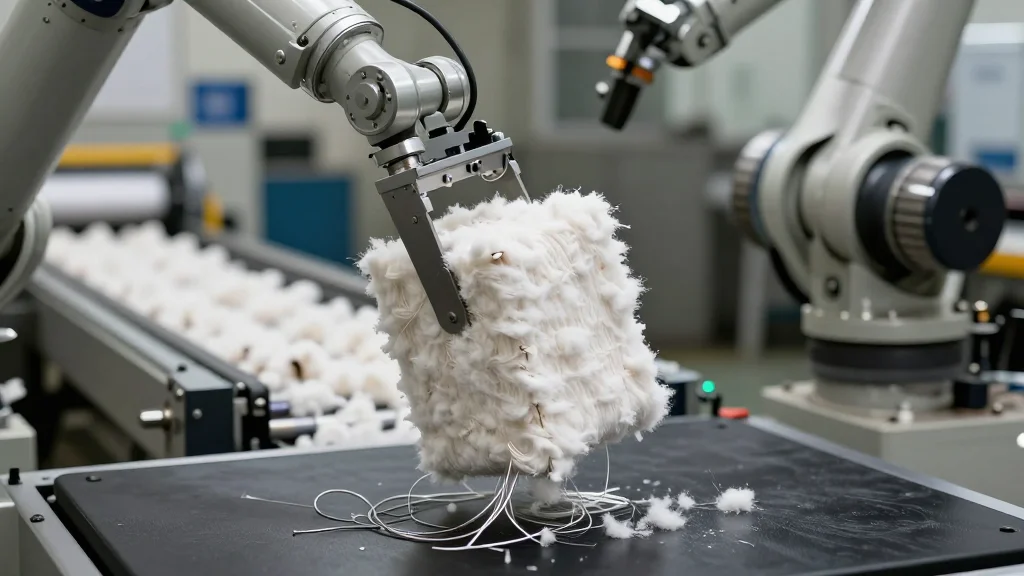
Cross Wrap Solution Supports Restart of Circulose Recycling Plant
Why It Matters
Automating bale preprocessing cuts equipment wear and accelerates the rollout of large‑scale textile‑to‑textile recycling, a critical step toward a more sustainable fashion industry.
Key Takeaways
- •Cross Wrap supplies automated bale dewiring and in‑feeding system
- •Circulose's Ortviken plant is the first commercial‑scale chemical textile recycler
- •Automation reduces shredder damage, cutting maintenance downtime
- •Restart slated for Q4 2024, boosting sustainable pulp supply
- •Improved efficiency supports fashion industry’s shift to recycled fibers
Pulse Analysis
The fashion sector faces mounting pressure to divert billions of tons of textile waste from landfills. Chemical recycling, which breaks down cotton fibers into a high‑purity dissolving pulp, offers a promising route to close the loop. Circulose’s Ortviken facility in Sundsvall pioneered this approach, converting post‑consumer garments into a feedstock that can be re‑spun into new fabrics. By restarting operations, the plant aims to supply a growing number of brands seeking certified recycled fibers, reinforcing the economic case for circular material streams.
A key bottleneck in large‑scale textile recycling is the handling of tightly baled waste, which often contains steel wires used to keep bales intact during transport. Cross Wrap’s cross‑dewiring machine automatically extracts these wires and feeds the clean bales onto a conveyor system, ensuring a steady, damage‑free flow into shredders. This automation not only safeguards expensive downstream equipment but also trims labor‑intensive manual de‑wiring, translating into lower operating costs and higher plant uptime. The technology exemplifies how niche engineering solutions can unlock the full potential of emerging recycling processes.
The collaboration signals a broader market shift toward integrated, end‑to‑end recycling solutions. As major apparel firms commit to 100% recycled or responsibly sourced fibers, the demand for reliable, high‑volume pulp production will intensify. Automated preprocessing equipment like Cross Wrap’s will become a standard component of new recycling facilities, driving down capital expenditures and accelerating project timelines. In the long run, such efficiencies could make chemical textile recycling financially viable without subsidies, positioning it as a cornerstone of the industry’s sustainability roadmap.
Cross Wrap solution supports restart of Circulose recycling plant
Comments
Want to join the conversation?
Loading comments...