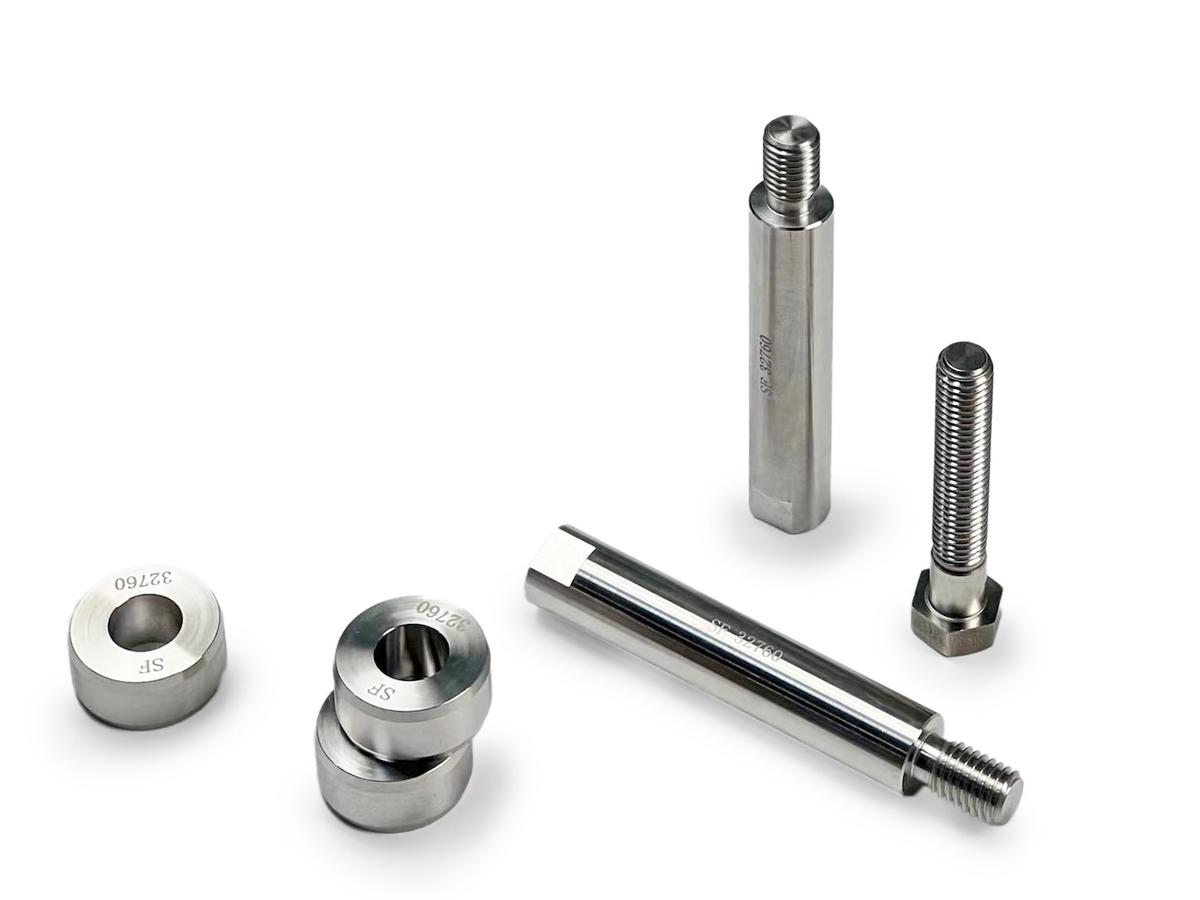
Custom Fasteners Vs. Standard Hardware: When Should Engineers Design Their Own?
Why It Matters
Choosing custom fasteners at the right moment can unlock weight savings, regulatory compliance, and part‑count reduction that directly affect product performance and market entry speed.
Key Takeaways
- •Standard fasteners lower BOM cost but add weight and size.
- •Custom parts essential for aerospace, automotive, medical weight and certification needs.
- •MOQ historically blocked low‑volume custom fasteners, raising costs.
- •No‑minimum‑order services like Yijin Solution enable rapid low‑volume testing.
- •DFM reviews add lead time but lower assembly failure risk.
Pulse Analysis
The tension between cost efficiency and performance drives the fastener selection dilemma. Off‑the‑shelf catalog parts are engineered for generic applications, which means they often carry excess material and larger dimensions than a purpose‑built component. In high‑mix, low‑volume sectors such as robotics or surgical tools, every gram saved translates into fuel efficiency or ergonomic advantage, while precise alloy certifications become mandatory for regulatory approval. Consequently, engineers must assess whether the incremental expense of a bespoke fastener justifies the downstream benefits of reduced weight, simplified assembly, and documented traceability.
Historically, the biggest obstacle to adopting custom hardware has been the minimum order quantity imposed by traditional manufacturers. Tooling setups for stamping or Swiss‑type lathes required runs of tens of thousands, making low‑volume projects financially untenable. Recent business models, exemplified by Yijin Solution, have inverted this paradigm by offering a true "no minimum order" policy. By leveraging flexible CNC machining and on‑demand tooling, they allow R&D teams to order as few as a dozen parts, iterate quickly, and scale seamlessly when production ramps up. This shift lowers the entry barrier for innovative designs and reduces the pressure to compromise on component geometry.
Implementing custom fasteners does introduce a longer procurement cycle, primarily due to Design for Manufacturability (DFM) reviews that verify tolerances, thread profiles, and material specifications before quoting. However, this upfront diligence mitigates the risk of field failures caused by ill‑fitting catalog parts. Companies that integrate DFM into their engineering workflow can achieve a more predictable supply chain, faster time‑to‑market for high‑performance products, and ultimately stronger competitive positioning. The strategic takeaway is clear: leverage modern low‑MOQ providers when weight, compliance, or part consolidation are decisive factors, and allocate the modest lead‑time investment to secure long‑term product reliability.
Custom Fasteners vs. Standard Hardware: When Should Engineers Design Their Own?
Comments
Want to join the conversation?
Loading comments...