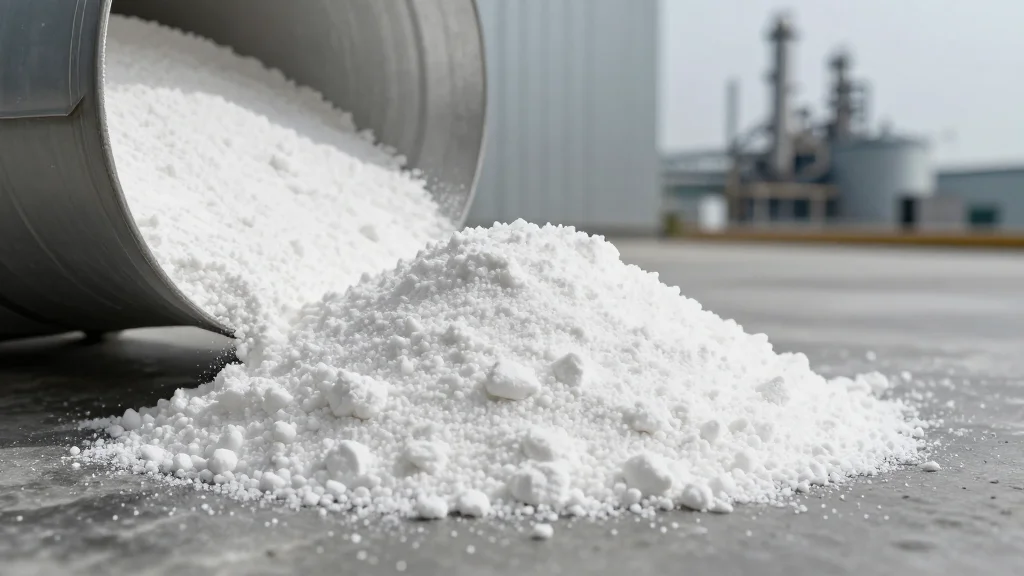
Dakota Gas' Urea Focus Tied to Demand, Not DEF Rules
Why It Matters
Domestic urea shortages raise fertilizer costs for growers and could tighten supply of DEF for the trucking fleet, highlighting how geopolitical shocks ripple through both agriculture and emissions‑control markets.
Key Takeaways
- •Dakota Gas prioritizes granular urea amid import shortages
- •Urea price up $159/ton, 24% increase since war
- •EPA sensor guidance unlikely to curb DEF demand
- •Fertilizer import disruption stems from US‑Iran conflict
- •Higher urea costs affect agriculture and diesel fleet
Pulse Analysis
The United States has long depended on imported granular urea, especially from the Middle East Gulf, to meet the fertilizer needs of its corn belt and other high‑yield crops. Since the outbreak of the U.S.–Iran conflict in late February, shipping routes have been disrupted and freight costs have surged, pushing spot urea prices at New Orleans to $629 per short ton—about $144 above a year ago and a 24% increase. Dakota Gasification’s Beulah nitrogen complex, the nation’s largest single‑site urea producer, responded by shifting capacity toward granular fertilizer to fill the domestic gap.
At the same time, the Environmental Protection Agency issued guidance on March 26 that relaxes the requirement for urea‑quality sensors (UQS) in diesel exhaust fluid (DEF) blends. Some officials, including Secretary of Agriculture Brooke Rollins, interpreted the move as a catalyst for producers to cut DEF output. Argus Analytics, however, argues that the guidance will not erode DEF demand because EPA still mandates NOx sensors on diesel engines; any dilution of DEF simply triggers higher dosing rates, preserving overall urea consumption in the emissions‑control market.
The divergence between fertilizer and DEF strategies illustrates how geopolitical risk, regulatory signals, and commodity pricing intersect in the nitrogen value chain. Higher urea costs pressure farm margins, prompting growers to seek alternative nitrogen sources or adjust planting schedules. For the trucking industry, stable DEF supplies remain critical to meet tightening emissions standards, especially as the EPA’s NOx sensor rule stays in force. Policymakers must therefore balance short‑term relief for farmers with long‑term environmental objectives, recognizing that a squeeze on urea imports can reverberate across both agriculture and transportation sectors.
Dakota Gas' urea focus tied to demand, not DEF rules
Comments
Want to join the conversation?
Loading comments...