AcquisitionManufacturing
Ferm Food Acquires Orkla's Former Skovlund Facility to Scale Fermented Plant-Based Ingredients
•March 11, 2026
•Mar 11, 2026
0
Participants
Why It Matters
Scaling solid‑state fermentation dramatically expands sustainable, functional ingredients for the plant‑based market, accelerating product innovation and waste reduction across the food industry.
Key Takeaways
- •Ferm Food acquires Orkla's Skovlund plant for 20k‑tonne capacity.
- •Solid‑state lacto‑fermentation reduces water and energy use.
- •Fermented rapeseed cake offers 28‑30% protein, EU novel food approved.
- •Ingredients enable natural binders, texturizers, and shelf‑life extension.
- •Expansion supports broader plant‑based product development across Europe.
Pulse Analysis
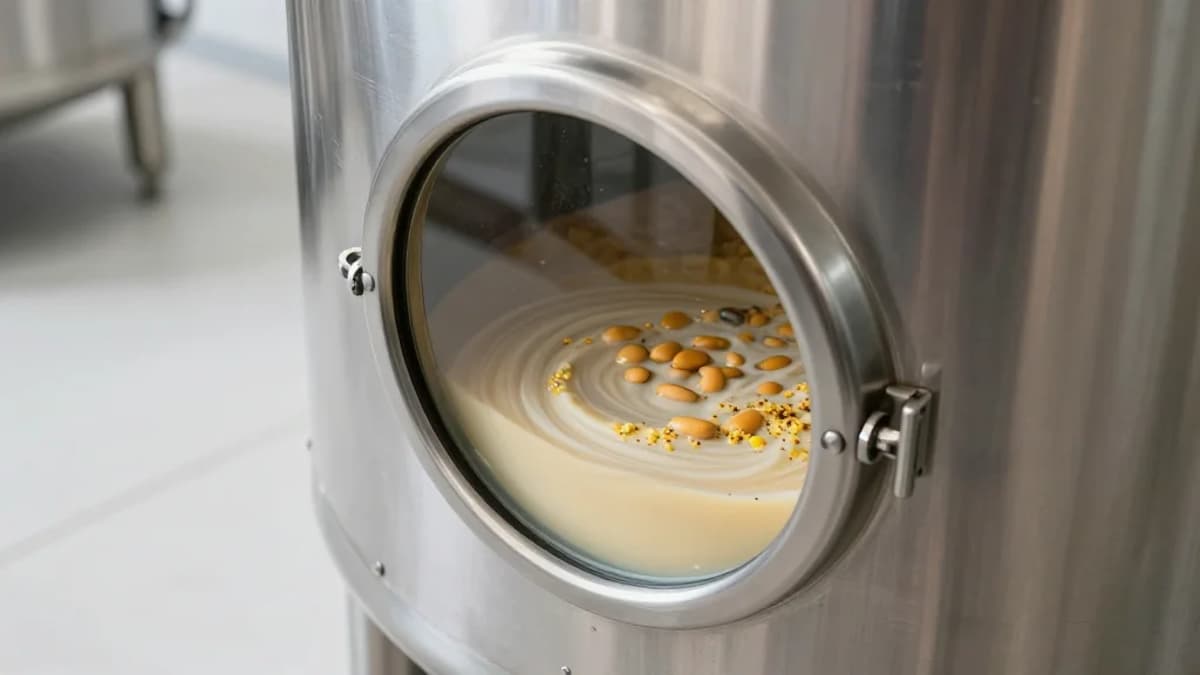
The acquisition reflects a broader shift toward fermentation as a core technology for sustainable food production. As consumers demand cleaner labels and higher protein content, manufacturers are turning to processes that unlock the nutritional potential of crops and by‑products. Solid‑state lacto‑fermentation, which Ferm Food employs, consumes less water than traditional liquid methods and operates at lower energy inputs, aligning with ESG goals while delivering functional ingredients such as natural binders and texturizers.
Ferm Food’s portfolio—fermented oats, rye, fava beans and rapeseed cake—illustrates how fermentation can transform low‑value streams into high‑value components. The rapeseed cake, a by‑product of canola oil, now offers a 28‑30% protein profile and has secured EU novel‑food status, opening doors for bakery, meat‑alternative and snack applications. By converting carbohydrates into lactic acid, the process improves digestibility, boosts micronutrient bioavailability, and reduces anti‑nutritional factors, delivering a competitive edge for food producers seeking clean‑label functionality.
With a 20,000‑tonne capacity and a footprint that spans Denmark, the US, Malaysia and Ukraine, Ferm Food is poised to become a key supplier for European plant‑based brands and beyond. The scale‑up not only meets rising demand for fermented ingredients but also signals confidence from investors in the commercial viability of fermentation tech. As supply chains integrate these ingredients, manufacturers can accelerate product launches, reduce reliance on synthetic additives, and meet sustainability targets, reshaping the competitive landscape of alternative protein and functional foods.
Deal Summary
Danish food‑tech startup Ferm Food announced the acquisition of Orkla’s former manufacturing plant in Skovlund, Denmark, to expand its production of lacto‑fermented plant‑based ingredients. The takeover, scheduled for April 1, will enable the company to ramp up capacity to nearly 20,000 tonnes annually, serving customers across the plant‑based food sector.
0
Comments
Want to join the conversation?
Loading comments...