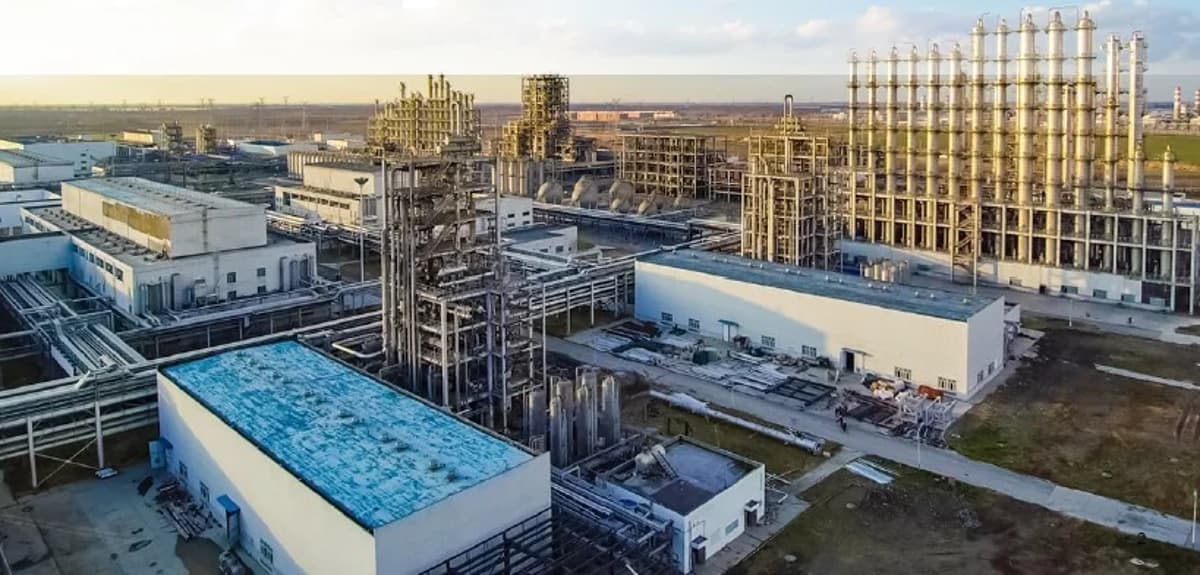
Daqo Polysilicon Sales Collapse, Falling 88.3% Quarter-on-Quarter as Production Ticks Upwards
Why It Matters
The sharp sales drop and inventory build‑up threaten polysilicon pricing and could delay solar‑module capacity growth, reshaping the global PV supply chain.
Key Takeaways
- •Q1 2026 sales dropped to 4,482 MT, 88% QoQ decline.
- •Production rose to 43,402 MT, marginal increase despite low sales.
- •Revenue fell to $26.7 million, gross loss $139.4 million.
- •Daqo follows Chinese anti‑involution policy, avoiding below‑cost sales.
- •High inventory could depress polysilicon prices and strain industry.
Pulse Analysis
The polysilicon market has been in free‑fall since early 2023, with spot prices sliding from roughly $32.7 per kilogram to just $4.4 per kilogram by mid‑2024. Chinese authorities, through the China PV Industry Association, urged manufacturers to curb output to prevent a price war that could erode margins across the solar value chain. While many peers trimmed production, Daqo chose a more cautious path, keeping output near 43,000 MT in Q1 2026 to preserve economies of scale and avoid a sharp cost increase.
Daqo’s Q1 results reveal a stark mismatch between output and demand. Unit production costs edged up to $5.95 per kilogram, matching the modest rise in its selling price, but the company sold only a fraction of what it produced. The resulting inventory surge drove revenue down to $26.7 million and triggered a $139.4 million gross loss. Management justified the approach as compliance with self‑regulation guidelines that forbid below‑cost sales, hoping that a future price rebound will allow the stockpiled material to be monetized without further margin erosion.
For the broader solar industry, Daqo’s strategy underscores a tension between maintaining production capacity and managing price volatility. Excess inventory could depress future polysilicon prices, making it harder for module makers to meet cost targets and potentially postponing new capacity additions—already forecasted to decline year‑on‑year in 2026, the first drop since 2019. Investors and policymakers will watch closely whether Chinese manufacturers collectively scale back output or absorb the surplus, as the outcome will shape the pace of solar deployment and the competitive dynamics of the global PV market.
Daqo polysilicon sales collapse, falling 88.3% quarter-on-quarter as production ticks upwards
Comments
Want to join the conversation?
Loading comments...