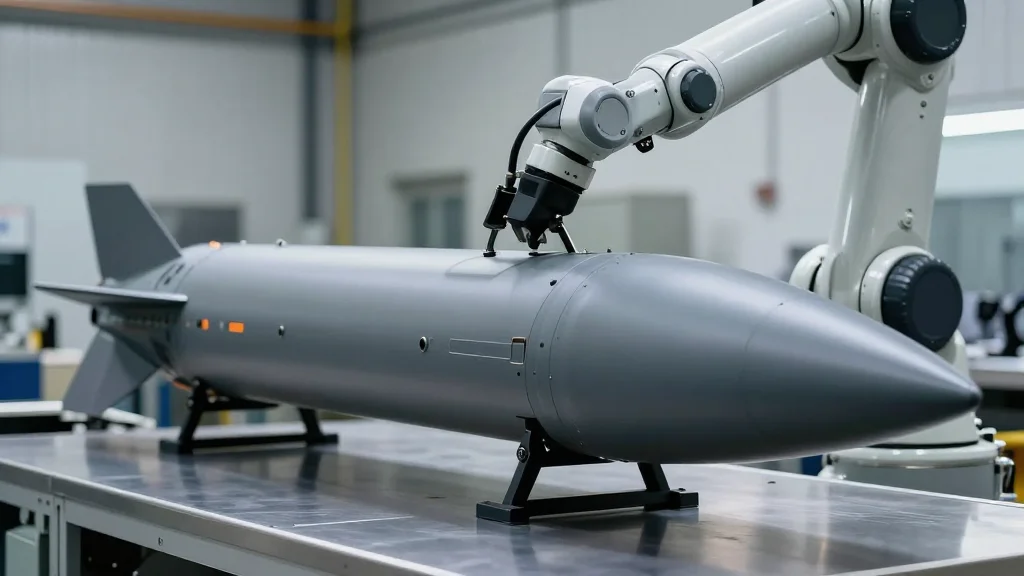
DARPA Launches Program to Cut Missile Production Time to Days

Why It Matters
Rapid‑manufacture missile technology directly tackles the U.S. military’s growing concern over dwindling munition stockpiles, a vulnerability highlighted by recent high‑intensity conflicts in Ukraine, the Middle East and the looming Pacific theater. By shortening production cycles, the program aims to ensure a resilient supply chain that can keep pace with attrition rates, thereby preserving combat effectiveness. Beyond immediate war‑fighting needs, the initiative could catalyze broader advances in high‑volume, low‑cost defense manufacturing. Success would likely spill over into other weapon systems—such as drones, artillery shells and electronic warfare kits—accelerating a shift toward modular, software‑centric designs that can be updated and produced at scale, reshaping the defense industrial base for the next decade.
Key Takeaways
- •DARPA issued three RFIs on Tuesday seeking missiles that can be built in days, not months.
- •The agency highlights propulsion as a "notorious bottleneck" and wants designs that use readily available parts.
- •RUSI warns U.S. advanced missile stockpiles could be exhausted within weeks at current usage rates.
- •Over 11,300 munitions were expended in the first 16 days of the Israel‑Iran conflict, stressing supply chains.
- •DARPA expects prototype contracts within 60 days and potential production contracts by 2028.
Pulse Analysis
DARPA’s rapid‑manufacture missile program is a strategic response to a supply‑chain dilemma that has plagued the U.S. defense establishment for years: high‑performance weapons are expensive and slow to produce, creating a fragile "magazine depth" in protracted conflicts. Historically, the U.S. has relied on a small pool of high‑cost interceptors—Patriot, THAAD, SM‑6—to counter sophisticated threats. The current push mirrors the earlier shift toward low‑cost, high‑volume drones that proved decisive in Ukraine, suggesting a doctrinal pivot toward quantity‑enabled lethality.
The program also signals a potential realignment of the defense industrial base. Traditional prime contractors, accustomed to long‑lead, low‑volume production, may need to partner with firms that specialize in additive manufacturing, commercial aerospace, and even automotive supply chains. This could democratize defense procurement, lower barriers to entry, and foster a more competitive ecosystem. However, the trade‑off between speed and reliability remains a critical risk. Missiles that are cheap and quick to produce must still meet stringent performance thresholds; any shortfall could erode confidence in the new approach.
If DARPA can demonstrate that rapid‑manufacture missiles meet operational standards, the ripple effect could be profound. Allies facing similar stockpile constraints might adopt the model, leading to a new class of interoperable, low‑cost munitions. Conversely, adversaries could accelerate their own low‑cost missile programs, intensifying the arms race in quantity over quality. The next 12‑18 months will reveal whether the initiative can bridge the gap between rapid production and battlefield effectiveness, setting a precedent for future weapons development across the defense sector.
DARPA launches program to cut missile production time to days
Comments
Want to join the conversation?
Loading comments...