Decarbonizing the Steel Industry: Kraftblock Demonstrates Efficient Waste Heat Utilization at Tata Steel in Jamshedpur
•March 9, 2026
0
Why It Matters
The system cuts fossil‑fuel consumption and emissions while boosting process efficiency, offering a replicable model for carbon‑intensive steel producers worldwide.
Key Takeaways
- •20 MWh thermal storage captures sinter plant waste heat.
- •Stores up to 500 °C, discharges 1.8 MW on demand.
- •Saves 110 GWh natural gas annually, cuts 22,000 t CO₂.
- •Improves sintering stability and accelerates production.
- •First large‑scale heat‑storage win for Indian steel decarbonization.
Pulse Analysis
The steel sector accounts for roughly 7 % of global CO₂ emissions, prompting manufacturers to explore low‑carbon pathways beyond electric arc furnaces. One of the most under‑utilized levers is waste‑heat recovery, especially from the sintering stage where temperatures exceed 500 °C. Thermal energy storage (TES) bridges the gap between intermittent heat availability and continuous process demand, allowing plants to recycle heat that would otherwise be vented. Recent advances in modular, high‑temperature TES have lowered capital costs and simplified integration, making the technology attractive for emerging markets with abundant coal‑based steel operations.
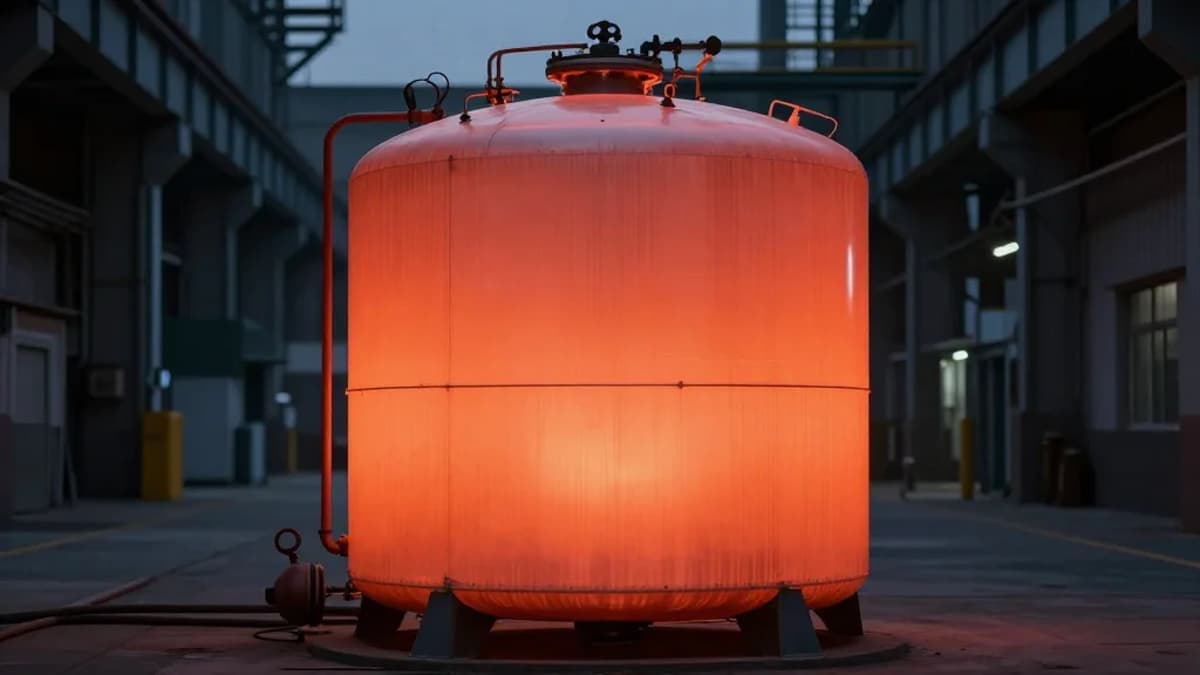
Kraftblock’s 20 MWh system at Tata Steel exemplifies this shift. The modular unit captures heat from the sinter‑plant cooling circuit, stores it at up to 500 °C, and can release up to 1.8 MW on command, directly feeding the sintering furnace. According to the vendor, the arrangement translates into annual natural‑gas savings of 110 GWh and a CO₂ reduction of 22,000 t, while also smoothing temperature fluctuations that improve sinter quality and throughput. The project, completed in May 2025, earned Tata Steel’s ‘Deployed Solution of the Year’ award, underscoring its operational credibility.
The success in Jamshedpur signals a broader commercial opportunity. Steelmakers in Europe, North America, and Asia are evaluating similar TES deployments to meet tightening emissions regulations and carbon‑pricing mechanisms. Modular designs reduce on‑site construction time, and the ability to retrofit existing plants lowers barriers to adoption. As the technology scales, economies of scale are expected to drive down the levelized cost of stored heat, making waste‑heat reuse competitive with traditional fossil‑fuel inputs. Policymakers could accelerate diffusion by offering incentives for heat‑recovery projects, positioning thermal storage as a cornerstone of the steel industry’s net‑zero roadmap.
Decarbonizing the Steel Industry: Kraftblock Demonstrates Efficient Waste Heat Utilization at Tata Steel in Jamshedpur
0
Comments
Want to join the conversation?
Loading comments...