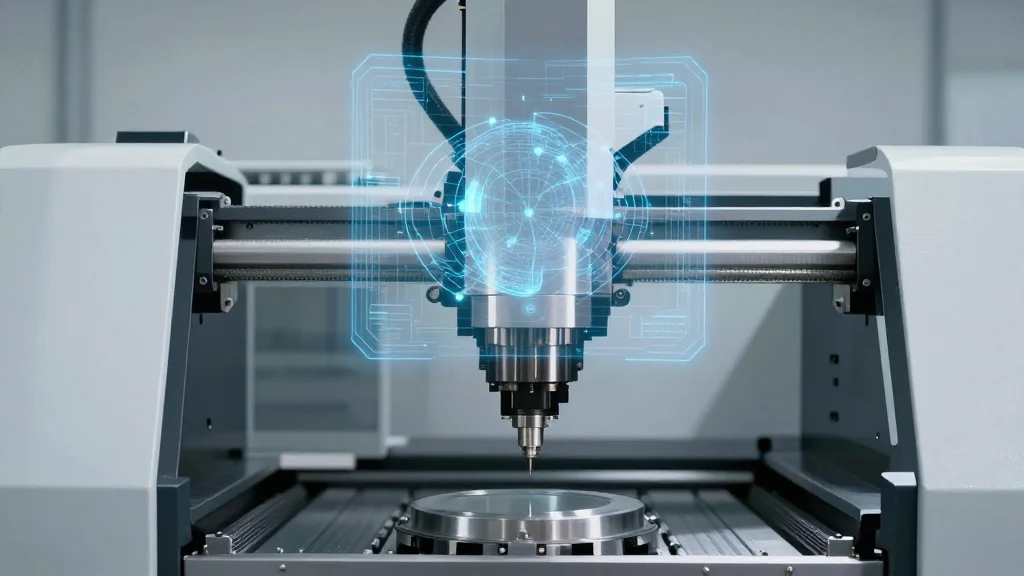
Digital Technologies and Cyber Security Are Changing Machine Tool Construction
Companies Mentioned
Why It Matters
Meeting the 2027 EU compliance deadline is now mandatory, and integrating digital twins and AI reduces downtime and boosts reliability, giving Zimmermann a competitive edge in high‑value industries such as aerospace and defense.
Key Takeaways
- •Zimmermann adopts security‑by‑design to meet EU CRA, NIS2, Machinery Regulation
- •Network segmentation and PC hardening minimize attack surface without sacrificing precision
- •Digital twins cut commissioning time and enable remote fault replication
- •AI pilots accelerate programming, error analysis, and twin generation
- •Compliance deadline set for 2027 drives rapid internal process overhaul
Pulse Analysis
European regulators are tightening the digital safety net around industrial equipment. The Cyber Resilience Act, alongside the Machinery Regulation (EU) 2023/1230 and the NIS 2 Directive, transforms cyber security from a best‑practice add‑on into a binding requirement for machine tool manufacturers. For companies like Zimmermann, this shift means re‑architecting control systems, embedding secure communication protocols and documenting every software change from the earliest design stage. The move safeguards not only the factory floor but also downstream applications in aerospace and defense, where compromised data could have catastrophic consequences.
Zimmermann leverages digital twins to translate these security demands into operational efficiency. By creating a virtual replica of each portal milling machine, engineers can run collision simulations, fine‑tune parameters and validate software updates before any physical installation. This reduces commissioning cycles, cuts travel costs for service teams and enables rapid fault recreation when issues arise on the shop floor. Coupled with AI‑driven assistants that parse error logs and suggest code fixes, the company accelerates routine tasks while preserving human oversight, ensuring traceability and compliance with the new regulatory framework.
The broader market sees a clear signal: precision machining is evolving into a data‑centric, network‑aware discipline. Firms that embed cyber resilience, simulation and AI now differentiate themselves as secure, high‑performance partners capable of supporting mission‑critical components. As the 2027 deadline approaches, midsize players like Zimmermann must scale expertise, train staff and collaborate with control‑system giants such as Siemens and Heidenhain. Those who succeed will capture premium contracts in sectors where both mechanical accuracy and digital integrity are non‑negotiable, reinforcing Europe’s position in the global high‑tech manufacturing ecosystem.
Digital technologies and cyber security are changing machine tool construction
Comments
Want to join the conversation?
Loading comments...