Drones Gain Altitude in Manufacturing Facilities (and Challenges Emerge)
Why It Matters
Drone‑generated data, when integrated into core operational platforms, transforms safety‑critical inspections into a strategic cost‑saving engine, reshaping manufacturing efficiency and risk management.
Key Takeaways
- •Drones cut inspection costs up to 70% and downtime up to 90%.
- •Real‑time drone data feeds ERP, MES, and digital‑twin platforms.
- •Autonomous drones with edge AI enable on‑board defect detection.
- •Secure firmware, encryption, and network segmentation mitigate OT cyber risk.
- •Upskilled technicians become certified pilots and data analysts.
Pulse Analysis
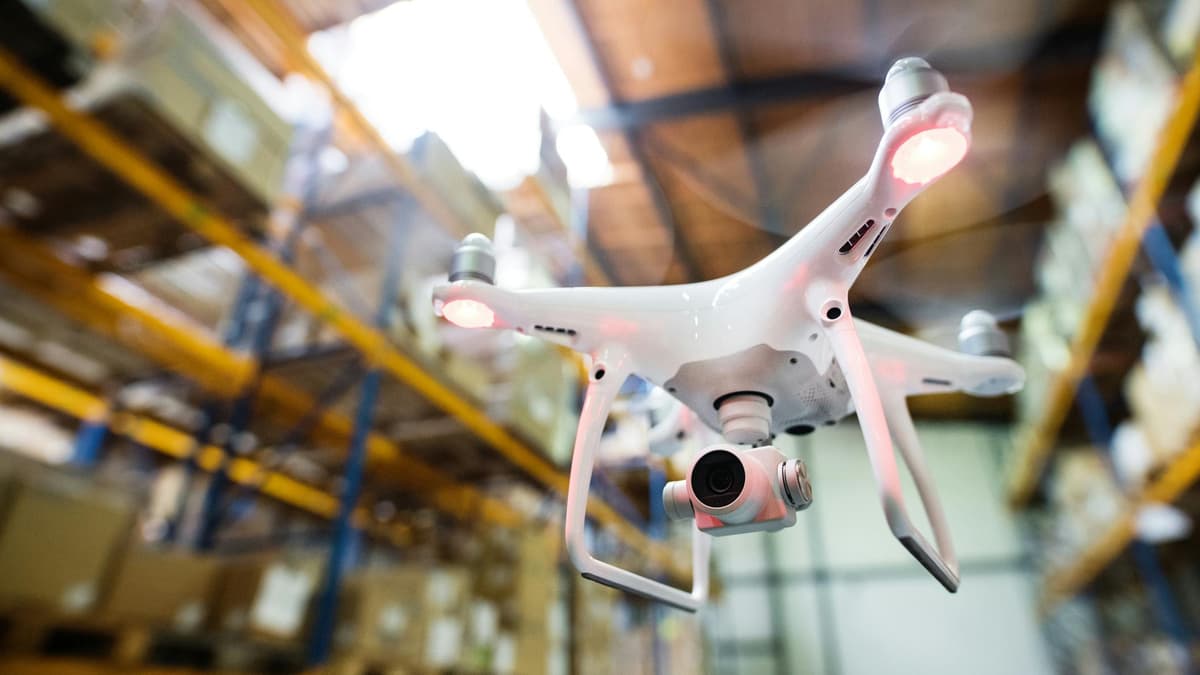
Manufacturers are turning to industrial drones to address chronic margin pressure, labor shortages, and the logistical complexity of dispersed assets. By mounting barcode scanners, computer‑vision, thermal and LiDAR sensors, drones can perform inventory counts and inspections that previously required scaffolding, rope access, or production shutdowns. The resulting high‑resolution, timestamped data can be streamed directly into ERP, MES, and asset‑management systems, shrinking working capital tied to excess stock and reducing the risk of costly stockouts. Early adopters report up to 70 % lower inspection spend and 90 % less downtime.
The next wave of value comes from smarter payloads and autonomous flight. Edge‑AI processors allow drones to flag defects, score anomalies, and even adjust flight paths without human intervention. When docked at fixed stations, drones can launch on schedule, upload data to cloud‑based analytics, and continuously refresh digital‑twin models of plants and warehouses. These near‑real‑time twins let engineers run remote hazard analyses, validate design changes, and plan maintenance without traveling to the site, delivering substantial travel‑cost savings especially in energy and chemicals.
Scaling these programs, however, hinges on three non‑technical pillars. First, manufacturers must upskill technicians into certified pilots and data analysts to ensure drones augment rather than replace the workforce. Second, drones must be treated as OT devices, with encrypted communications, secure firmware, and network segmentation aligned to ISA/IEC 62443 standards to prevent cyber intrusion. Finally, standardized data formats, metadata tagging, and robust storage architectures are essential for seamless integration with CMMS, GIS, and AI‑driven defect‑detection engines. Addressing these factors turns a drone fleet into a strategic, enterprise‑wide asset.
Drones Gain Altitude in Manufacturing Facilities (and Challenges Emerge)
Comments
Want to join the conversation?
Loading comments...