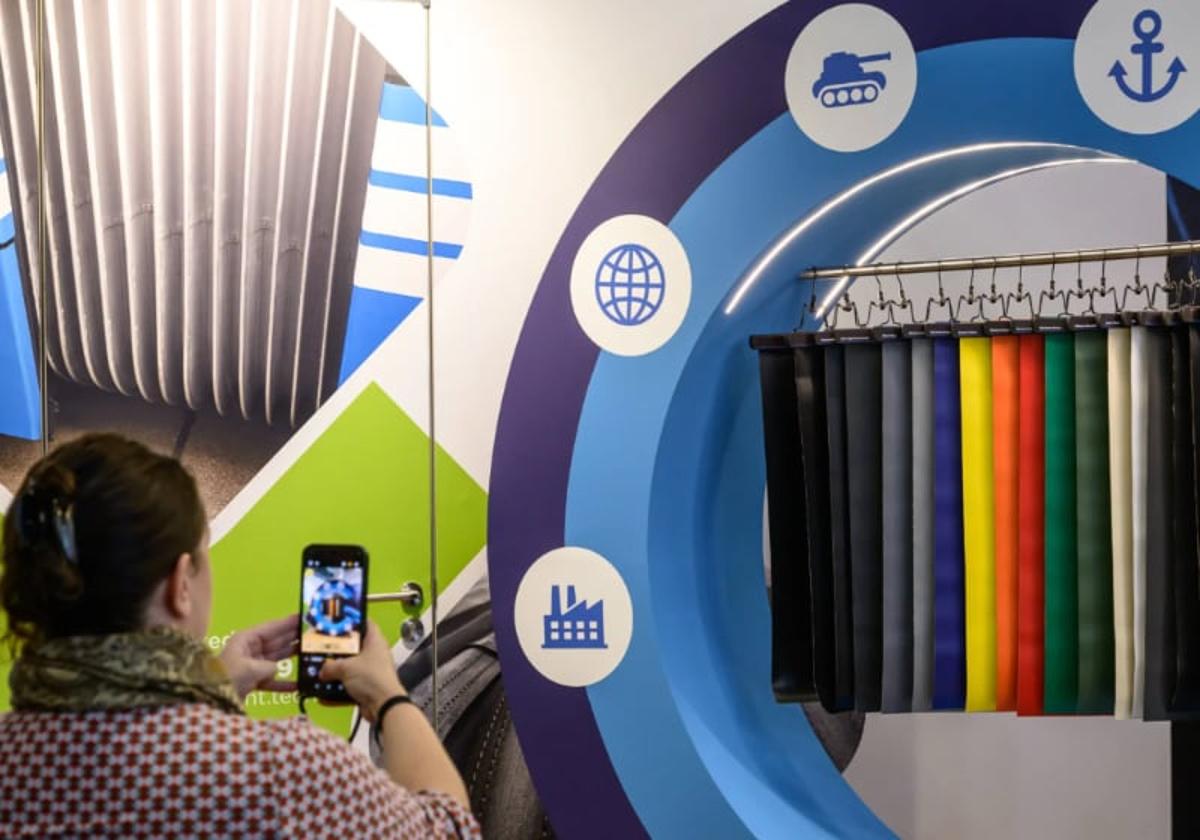
Dutch Lead Circular Textiles Push at Techtextil
Why It Matters
By coupling policy backing with a real‑world supply‑chain model, the Dutch initiative could accelerate industry compliance with EU sustainability rules and set a benchmark for circular textile production worldwide.
Key Takeaways
- •Netherlands fields 11 firms in Techtextil circular textile pavilion.
- •Public‑private partnership showcases fiber recycling to digital traceability.
- •Multiple Dutch ministries and research institutes fund the initiative.
- •Aligns Dutch strategy with upcoming EU circular‑economy regulations.
Pulse Analysis
Techtextil Frankfurt is one of the world’s premier platforms for textile innovation, and the Netherlands’ decision to present a unified national pavilion marks a strategic shift from fragmented sustainability projects to a coordinated, policy‑driven showcase. By assembling eleven companies under a single roof, the Dutch exhibit illustrates a full‑stack circular model that begins with reclaimed fibres, progresses through low‑impact processing, and culminates in blockchain‑enabled traceability. This end‑to‑end visibility directly addresses the European Commission’s upcoming circular‑economy directives, which demand measurable product lifecycles and transparent supply chains.
The pavilion’s public‑private structure reflects a growing trend where governments partner with industry and academia to de‑risk large‑scale sustainability transitions. Dutch ministries—including Economic Affairs and Climate Policy—are providing funding and regulatory guidance, while research bodies contribute advanced recycling technologies and data‑analytics platforms. Such collaboration accelerates the commercialization of innovations that might otherwise languish in pilot phases, and it creates a replicable template for other nations seeking to meet EU mandates without sacrificing competitiveness.
For the broader textile sector, the Dutch showcase signals that circularity is moving from niche ambition to mainstream requirement. Companies observing the pavilion can gauge the investment needed for traceable, recycled‑content lines and anticipate tighter compliance audits across the EU market. Moreover, the visibility of digital traceability solutions may spur demand for interoperable standards, fostering a new ecosystem of software providers and certification bodies. As the EU tightens its sustainability criteria, firms that adopt similar circular frameworks early are likely to gain a market advantage, attract ESG‑focused investors, and reduce exposure to future regulatory penalties.
Dutch lead circular textiles push at Techtextil
Comments
Want to join the conversation?
Loading comments...