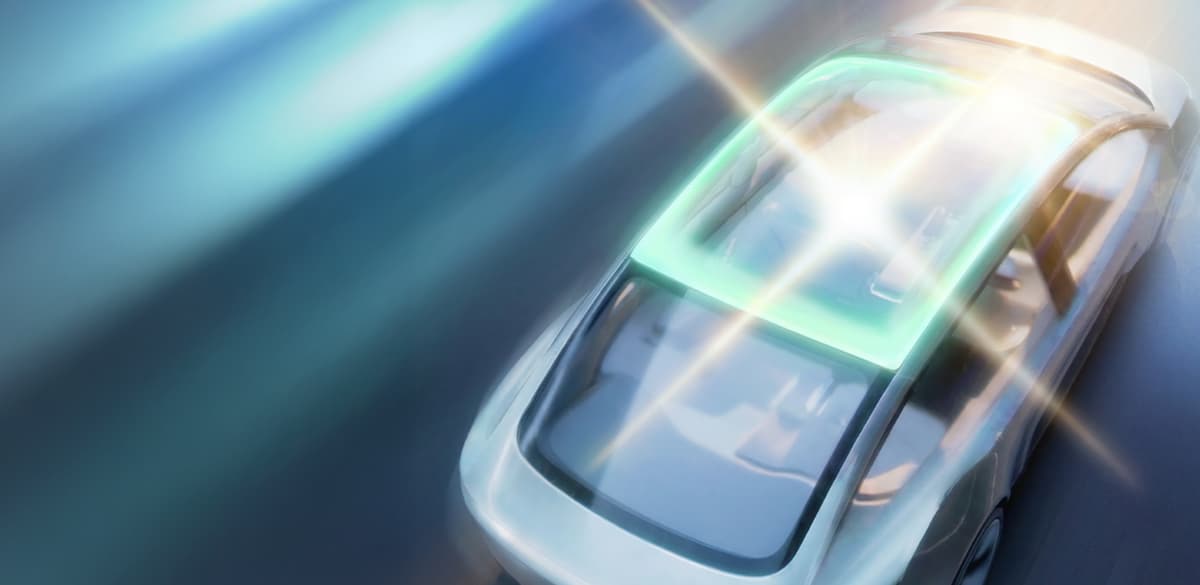
Eastman Launches Saflex™ Evoca™ XIR.SR to Elevate EV Sunroof Performance
Why It Matters
Reducing solar heat load directly improves passenger comfort and can extend EV range by lowering energy needed for climate control. The technology also offers manufacturers a high‑performance, supply‑chain friendly alternative to traditional metal‑coated glass.
Key Takeaways
- •Eastman launches IR‑reflective interlayer for EV panoramic sunroofs
- •Evoca XIR.SR cuts solar heat gain, easing HVAC load
- •Neutral‑gray reflection eliminates blue tint of metal‑coated glass
- •Improves cabin comfort and can boost EV range efficiency
- •Offers supply‑chain alternative where metal‑coated glass isn’t feasible
Pulse Analysis
Electric vehicles face a growing challenge: sunroofs that admit abundant sunlight also introduce unwanted heat, forcing climate‑control systems to work harder and draining battery range. Eastman’s Saflex™ Evoca™ XIR.SR tackles this issue by embedding an infrared‑reflective layer within the laminated glass. The interlayer reflects a significant portion of IR radiation while maintaining high visible‑light transmission, allowing designers to keep daylighting benefits without the thermal penalty that has plagued previous glass solutions.
Technically, XIR.SR builds on Eastman’s three‑decade XIR legacy, delivering a neutral‑gray reflected color that remains stable across viewing angles. This eliminates the characteristic blue tint of metal‑coated glass and reduces visual distortions such as orange peel or wrinkling. The material’s flexibility supports various glass configurations, giving OEMs and laminators the freedom to balance haze, visible‑light transmission, and total solar energy transmittance (TTS) to meet specific vehicle aesthetics and performance targets. Moreover, its manufacturability sidesteps the supply constraints often associated with metal‑coated glass, offering a reliable alternative for high‑volume production.
For the automotive market, the launch signals a shift toward integrated thermal management at the vehicle envelope level. By lowering cabin heat load, the interlayer can modestly improve driving range—especially in hot climates where HVAC usage spikes. OEMs adopting XIR.SR may also benefit from reduced cooling system sizing, translating to weight savings and further efficiency gains. As EV adoption accelerates, materials that enhance comfort while preserving or extending range will become strategic differentiators, positioning Eastman as a key supplier in the evolving EV glass ecosystem.
Eastman launches Saflex™ Evoca™ XIR.SR to elevate EV sunroof performance
Comments
Want to join the conversation?
Loading comments...