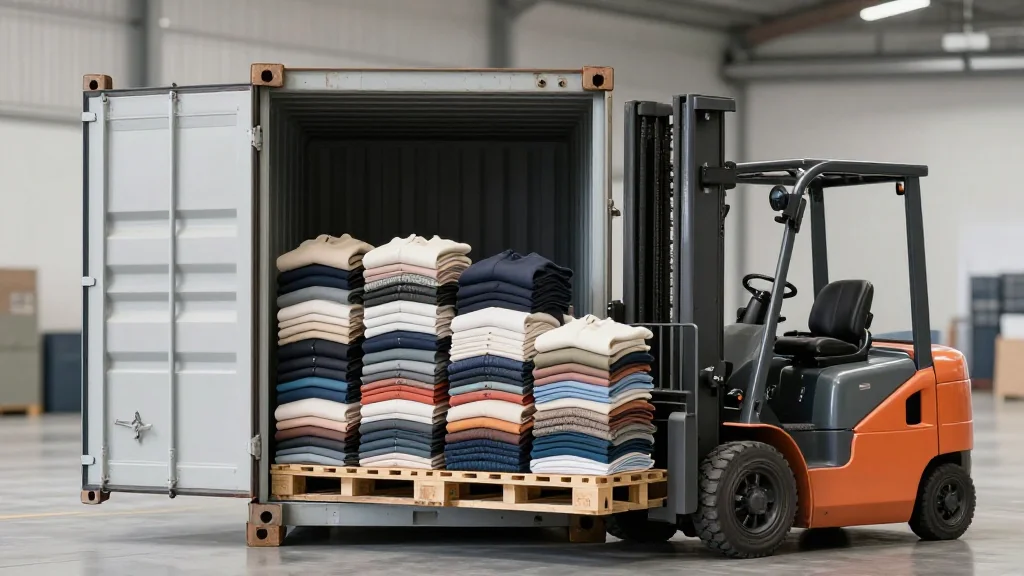
Editor’s Comment: Navigating Supply Chain Chaos Together
Why It Matters
Supply‑chain instability threatens profit margins and product availability across the apparel sector, making collaborative solutions essential for maintaining market competitiveness.
Key Takeaways
- •Iran war drives freight costs up 20‑30% across Europe
- •Extended lead times force retailers to hold higher inventory buffers
- •Collaborative logistics platforms reduce delays by sharing real‑time data
- •Diversifying suppliers mitigates risk from geopolitical shocks
- •Sustainable sourcing gains traction as supply chains seek resilience
Pulse Analysis
The escalation of hostilities in Iran has sent ripples through global logistics, especially for the fast‑moving fashion industry. Freight forwarders report rate hikes of 20‑30 percent on key European routes, while customs bottlenecks in the Middle East add days to transit times. Retailers that once relied on just‑in‑time inventory now confront the reality of stockouts and inflated carrying costs, prompting a strategic shift toward safety stock and more flexible routing options.
In response, industry leaders are turning to collaborative logistics ecosystems that pool real‑time visibility across carriers, warehouses, and suppliers. Platforms that enable data sharing can dynamically reassign capacity, reducing empty miles and mitigating the impact of sudden port closures. This cooperative model not only trims delays but also creates economies of scale, allowing smaller brands to access the same routing intelligence traditionally reserved for large conglomerates. The trend aligns with broader digital transformation efforts, where API‑driven networks replace siloed spreadsheets.
Beyond immediate operational tweaks, the crisis underscores the strategic imperative of supply‑chain diversification. Companies are accelerating moves to source fabrics and components from alternative regions such as Southeast Asia and North Africa, thereby diluting exposure to any single geopolitical flashpoint. Simultaneously, sustainability agendas gain momentum as firms seek resilient, low‑carbon pathways that can withstand future shocks. By embedding collaboration and diversification into their core strategies, fashion businesses can safeguard margins, protect brand reputation, and sustain growth amid ongoing uncertainty.
Editor’s comment: Navigating supply chain chaos together
Comments
Want to join the conversation?
Loading comments...