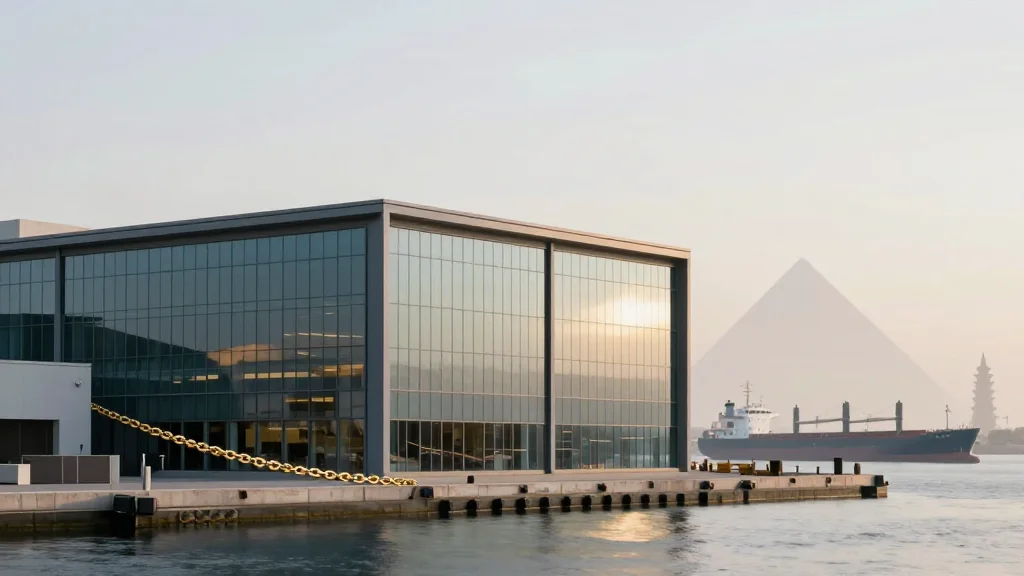
Egypt and China’s Cloud Chain Plot $2bn ‘Carbon-Neutral’ Textile City
Why It Matters
The initiative positions Egypt as a green manufacturing hub, attracting sizable foreign capital and strengthening China‑MENA economic ties, while advancing the region’s shift toward sustainable industry.
Key Takeaways
- •$1.5‑2 bn carbon‑neutral textile hub planned on 4.5 m² site
- •Phase 1: 2 m², 30‑50 firms, schools, logistics, creates up to 80k jobs
- •Phase 2 expands to 2.5 m², completing full industrial chain
- •Project positions Egypt as gateway to African and Middle Eastern markets
- •Cloud Chain partnership highlights growing China‑MENA infrastructure collaboration
Pulse Analysis
Egypt is accelerating its industrial diversification by courting large‑scale, environmentally focused projects. The textile sector, long a cornerstone of the country’s export economy, is being reimagined through a carbon‑neutral lens that aligns with global sustainability mandates. By leveraging its strategic location at the crossroads of Africa and the Middle East, Egypt aims to attract not only capital but also advanced manufacturing capabilities that can serve regional markets more efficiently.
The Cloud Chain proposal outlines a two‑phase development spanning 4.5 million m², with a projected $1.5‑2 bn outlay. Phase 1 will deliver a 2 million m² eco‑industrial park hosting 30‑50 textile firms, vocational schools, and logistics infrastructure, generating up to 80,000 direct jobs. Phase 2 adds another 2.5 million m² to complete an integrated supply chain, supporting an estimated 60,000 indirect positions. The scale of employment and the inclusion of technical training underscore the project's potential to upskill the local workforce and stimulate ancillary services.
Beyond Egypt’s borders, the partnership signals deepening China‑MENA collaboration in green infrastructure. As Beijing seeks to export its expertise in sustainable industrial parks, the venture could become a template for future projects across the region. However, success will hinge on navigating regulatory frameworks, ensuring reliable power and water supplies, and delivering on the promised carbon‑neutral standards. If realized, the textile city could reshape regional supply chains, offering a low‑carbon alternative to traditional manufacturing hubs and reinforcing Egypt’s role as a gateway to African and Middle Eastern markets.
Egypt and China’s Cloud Chain plot $2bn ‘carbon-neutral’ textile city
Comments
Want to join the conversation?
Loading comments...