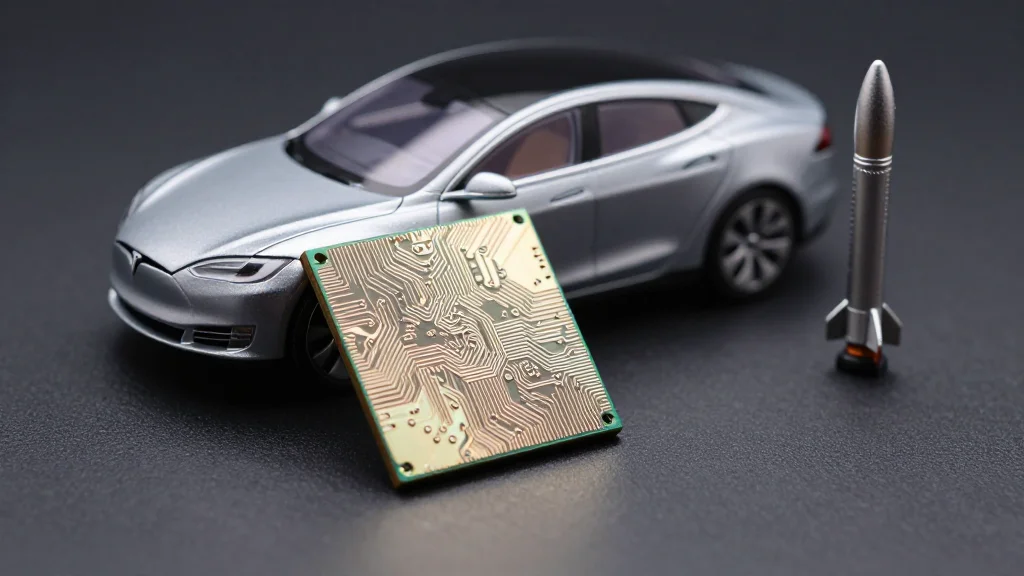
Elon Musk Pledges up to $119 B for Massive AI Chip Fab, Sparking Industry Debate

Companies Mentioned
Why It Matters
Musk’s $119 billion chip fab pledge could dramatically alter the balance of power in the semiconductor industry. By attempting to internalize the production of AI‑optimized chips, Tesla, SpaceX and xAI would reduce dependence on external foundries, potentially lowering costs and accelerating product cycles. At the same time, the move could pressure incumbent manufacturers to accelerate capacity expansions and price adjustments, benefitting downstream tech firms that rely on AI compute. The initiative also intersects with broader geopolitical concerns. A U.S.-based, Musk‑led fab would align with Washington’s push to localize advanced chip production, reducing exposure to supply disruptions from East Asia. However, the massive capital requirement and technical complexity raise the risk of cost overruns and delays, which could reverberate through the supply chain if the project stalls. The outcome will influence everything from AI startup financing to the strategic planning of traditional chipmakers.
Key Takeaways
- •Elon Musk announces up to $119 billion investment in a new AI‑focused semiconductor fab (Terafab).
- •Goal is to supply chips for Tesla, SpaceX, and xAI, targeting sub‑2‑nm processes.
- •Musk’s plan challenges TSMC’s dominance and could reshape global chip supply dynamics.
- •No details on location, timeline, or partners were disclosed in the podcast.
- •Industry analysts warn of technical, talent and geopolitical hurdles for a newcomer of this scale.
Pulse Analysis
Musk’s foray into chip manufacturing is a classic case of vertical integration aimed at securing a strategic resource—AI compute power. Historically, only a handful of firms have successfully built and operated sub‑3‑nm fabs, with TSMC, Samsung and Intel leading the pack. Musk’s proposition, while audacious, hinges on his ability to marshal not just capital but also the deep technical expertise and supply‑chain relationships that have taken decades to cultivate. The $119 billion figure is comparable to the combined R&D spend of the top three U.S. chipmakers in a single year, underscoring the scale of the gamble.
From a market perspective, the announcement could act as a catalyst for increased fab capacity across the board. Competitors may accelerate their own expansions to pre‑empt any potential price pressure that a new, high‑volume player could introduce. Moreover, the move dovetails with U.S. policy incentives aimed at reshoring semiconductor production, potentially unlocking tax credits or subsidies that could offset some of the financial risk. However, the lack of concrete details—such as the fab’s geographic location, which will affect access to skilled labor and equipment—means investors must treat the news as a high‑variance signal.
In the short term, the most immediate impact will be on sentiment. Musk’s reputation for delivering on bold promises adds credibility, yet the semiconductor sector remains wary of over‑optimistic timelines. If the project gains traction, it could spur a wave of private‑sector investment in AI‑centric fabs, diversifying the supply base beyond the traditional Asian stronghold. Conversely, a misstep could reinforce the narrative that only established foundries can meet the technical demands of next‑generation AI chips, reinforcing the status quo. The coming months will reveal whether Terafab becomes a transformative new node in the global chip ecosystem or a cautionary tale of over‑extension.
Elon Musk pledges up to $119 B for massive AI chip fab, sparking industry debate
Comments
Want to join the conversation?
Loading comments...