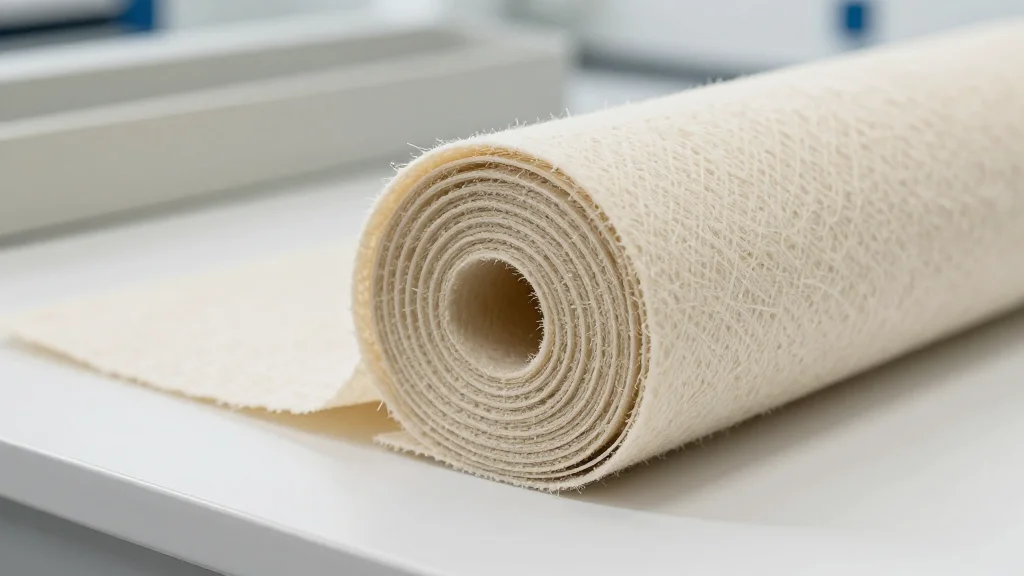
End-of-Life Solution for Nonwoven Biocomposite Waste From Automotive Industry
Why It Matters
Turning high‑volume PP‑Kenaf waste into usable feedstock cuts material costs and helps the automotive sector meet tightening sustainability regulations. It also creates new revenue streams from what was previously landfill material.
Key Takeaways
- •PP‑Kenaf off‑cuts can be shredded into granules for injection molding
- •Recycled filaments enable 3D‑printed automotive interior components
- •Eco‑Technilin’s Recytal reintegrates waste into new non‑woven sheets
- •Mechanical recycling blends virgin polymer to stabilize final product properties
- •Circular loops cut material costs and satisfy EU automotive sustainability goals
Pulse Analysis
Plant‑based fibers such as kenaf, flax and hemp are gaining traction in automotive composites because they deliver high specific strength while trimming vehicle weight and improving acoustic performance. OEMs are increasingly specifying bio‑based nonwovens for interior panels, door trims and boot liners, aligning product design with consumer demand for greener vehicles and with regulatory pressure to reduce lifecycle emissions.
Despite these benefits, the thermocompression process that bonds the fibers to polypropylene creates a sizable waste stream—estimates suggest up to 30% of the input material ends up as off‑cuts. Eco‑Technilin’s Recytal technology offers a low‑cost route by grinding waste back into raw non‑woven feedstock, but the volume of scrap often exceeds what can be re‑spun. Researchers therefore explored mechanical recycling alternatives: shredding waste, extruding it into granules for injection moulding, and producing recycled filaments suitable for 3D printing. Blending a controlled amount of virgin polymer restores mechanical consistency, enabling the reclaimed material to meet automotive performance standards.
The commercial implications are significant. By converting waste into high‑value feedstock, manufacturers can lower raw‑material expenses and improve supply‑chain resilience, especially as petro‑chemical prices fluctuate. Moreover, the ability to produce 3D‑printed interior components from recycled filaments opens up rapid‑prototyping and low‑volume customization without additional virgin input. As EU and U.S. regulations tighten carbon‑footprint reporting for vehicle components, circular recycling solutions like those outlined in the study will become a differentiator for suppliers seeking to secure OEM contracts and meet sustainability targets. Continued investment in scalable recycling infrastructure will likely accelerate the adoption of bio‑based composites across the automotive sector.
End-of-life solution for nonwoven biocomposite waste from automotive industry
Comments
Want to join the conversation?
Loading comments...