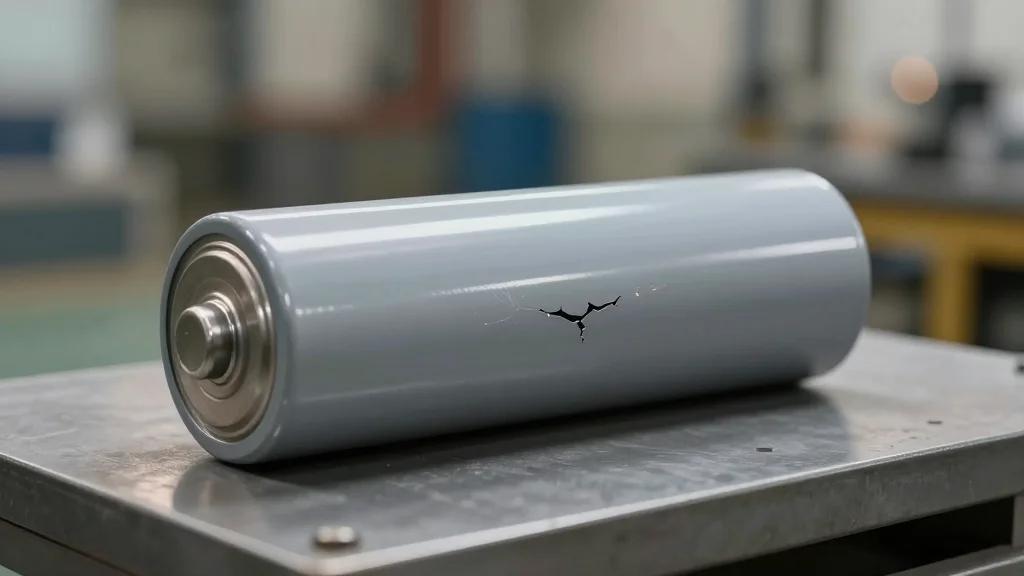
EU Battery Startup Morrow Batteries Collapses as Industrial Accelerator Act Faces Scrutiny

Companies Mentioned
Why It Matters
The failure of Morrow Batteries highlights the fragility of Europe’s nascent battery ecosystem, where capital scarcity can quickly translate into factory closures and lost jobs. The Industrial Accelerator Act, while intended to create a protective market for EU‑made components, may inadvertently stifle the very supply chains it seeks to nurture if its exemptions dilute the incentive for local production. A robust, well‑funded battery sector is critical for the EU’s climate targets, automotive competitiveness, and strategic autonomy from China. If the IAA’s loopholes remain unaddressed, the EU risks a vicious cycle: insufficient demand for domestic components leads to project cancellations, which in turn weakens the policy’s credibility and deters future investment. Conversely, a tightened policy framework paired with concrete financing mechanisms could catalyze the completion of pending CAM projects, secure jobs, and move the bloc closer to its 2030 clean‑mobility goals.
Key Takeaways
- •Morrow Batteries filed for bankruptcy after failing to secure last‑minute capital.
- •EU’s Battery Booster financing facility is still under consultation, leaving a funding gap.
- •Industrial Accelerator Act ties BEV subsidies to Made‑in‑EU content for corporate‑fleet sales (60% of new cars).
- •Exemptions allow private‑market BEVs to qualify using components from EU free‑trade partners.
- •Over 20 EU cathode active material projects could meet two‑thirds of demand by 2030, but >50% face medium/high risk.
Pulse Analysis
The collapse of Morrow Batteries is a symptom of a deeper misalignment between policy ambition and market reality. Europe has set aggressive targets for domestic battery production, yet the financing architecture has lagged, relying on ad‑hoc consultations rather than a predictable, long‑term funding pipeline. The Industrial Accelerator Act attempts to create demand through subsidy conditioning, but its tiered approach and cost‑based exemptions dilute the policy’s effectiveness. By allowing private‑market BEVs to meet Made‑in‑EU criteria through third‑country imports, the act undermines the incentive for manufacturers to invest in local supply chains, especially for high‑value components like cathode active material.
Historically, successful industrial policy—think Germany’s automotive subsidies in the 1990s—combined clear demand signals with stable, upfront financing. The EU’s current trajectory mirrors a half‑measure: a legislative framework without the fiscal backing to guarantee its own success. If the Commission does not accelerate the Battery Booster facility and tighten the exemption clauses, the region may see a repeat of the Northvolt and Morrow failures, eroding confidence among investors and slowing the transition to a European‑centric battery value chain.
Strategically, the EU stands at a crossroads. A decisive policy correction—streamlined Made‑in‑EU rules, removal of cost‑based waivers, and a committed financing vehicle—could unlock the pending CAM projects, create a virtuous cycle of investment, and solidify the bloc’s position in the global battery market. Failure to act risks cementing Europe’s reliance on Asian supply chains and missing its climate and industrial policy objectives for the decade.
EU Battery Startup Morrow Batteries Collapses as Industrial Accelerator Act Faces Scrutiny
Comments
Want to join the conversation?
Loading comments...