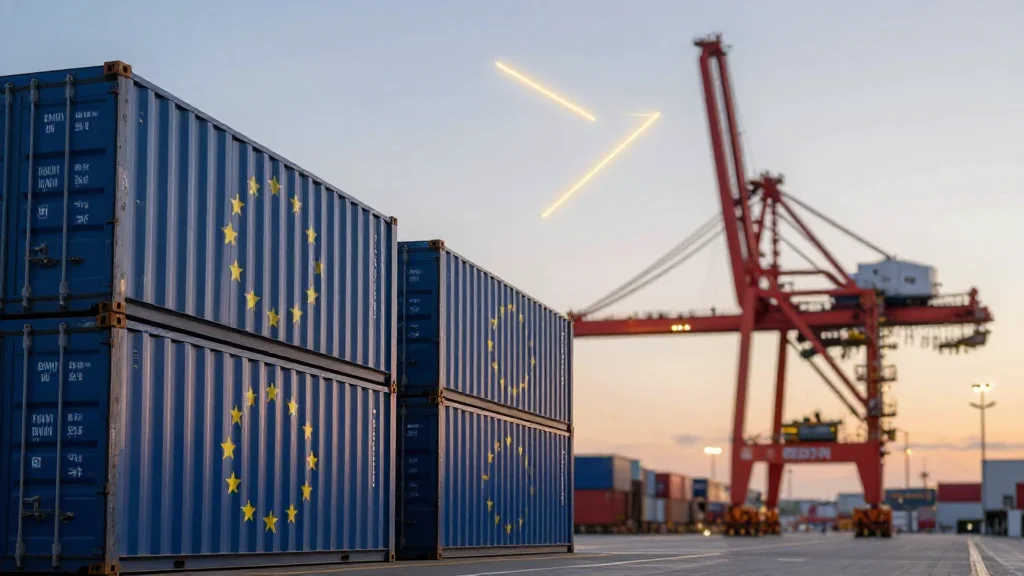
EU Industry Chief Urges Faster Diversification Away From China

Why It Matters
The EU’s demand for faster supply‑chain diversification directly targets the vulnerability exposed by recent geopolitical tensions and pandemic‑related disruptions. By urging firms to broaden their sourcing base, the Commission aims to safeguard critical production capacities, protect jobs, and maintain the competitiveness of European industry on the global stage. A successful shift could also lessen the strategic leverage that China holds over key sectors, reinforcing the EU’s economic sovereignty. For manufacturers, the call translates into a strategic imperative: re‑evaluate supplier portfolios, invest in alternative production sites, and potentially re‑tool existing facilities. The pressure to act now may accelerate investments in automation, reshoring, and regional trade agreements, reshaping the European manufacturing landscape over the next decade.
Key Takeaways
- •EU industry chief Stephane Sejourne warned on Friday that European firms have not reduced dependence on China sufficiently.
- •He called for rapid diversification of supply chains and avoidance of reliance on a single country for inputs.
- •No specific targets or timelines were disclosed in the statement.
- •The appeal aligns with broader EU concerns about supply‑chain resilience amid geopolitical risks.
- •Manufacturers may accelerate sourcing from non‑Chinese partners and consider reshoring initiatives.
Pulse Analysis
The EU’s public admonition signals a shift from passive resilience planning to active policy encouragement. Historically, European manufacturers have leaned heavily on China for cost‑effective components, especially in high‑tech sectors. Sejourne’s warning could catalyze a wave of strategic realignment, as firms weigh the cost of diversification against the risk of supply interruptions.
If the EU follows up with incentives—such as subsidies for domestic production or tax breaks for near‑shoring—companies may accelerate capital projects that were previously on hold. This could spur a renaissance in European manufacturing hubs, particularly in Central and Eastern Europe, where labor costs remain competitive. However, the transition will require significant investment in new supplier relationships, certification processes, and possibly re‑engineering of product designs.
In the short term, the announcement may create market volatility for firms heavily exposed to Chinese inputs, as investors reassess risk profiles. Over the longer horizon, a successful diversification could reduce the EU’s strategic vulnerability, enhance supply‑chain transparency, and foster a more balanced global trade architecture. The key question remains whether the EU will back its rhetoric with concrete policy tools, or if the call will remain a moral suasion that leaves the onus on individual companies.
EU Industry Chief Urges Faster Diversification Away From China
Comments
Want to join the conversation?
Loading comments...