Expert Raises Concern over Disruptions to Naphtha Supply
Why It Matters
Disruptions to naphtha supply could sharply raise consumer‑goods prices, pressuring inflation and Thailand’s manufacturing sector. Diversifying feedstock and boosting recycling are essential to safeguard economic stability and supply‑chain resilience.
Key Takeaways
- •Thailand imports over 50% of crude oil from the Middle East.
- •Naphtha supply uncertainty could lift plastic pellet prices 30‑40%.
- •Alternative crude sources may increase costs due to longer routes.
- •Government urged to invest in recycling and non‑naphtha plastics.
Pulse Analysis
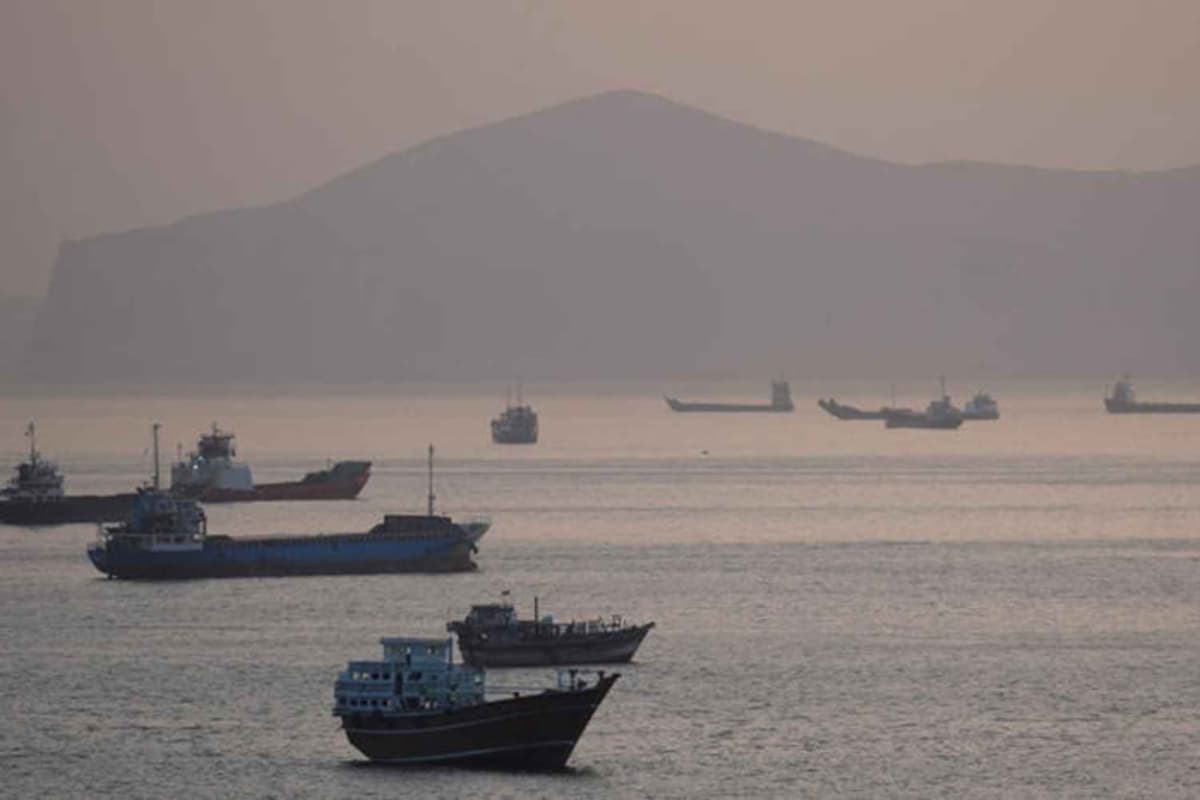
Naphtha, a light petroleum distillate, underpins the bulk of Thailand’s plastic pellet output, feeding everything from food packaging to consumer electronics. The protracted conflict involving the United States, Israel and Iran has kept the Strait of Hormuz—through which much of the region’s crude passes—uncertain, prompting analysts to flag a potential 30‑40% surge in pellet prices and even steeper hikes for finished goods. Such price volatility not only squeezes manufacturers but also threatens to feed broader inflationary pressures in a market already sensitive to global commodity swings.
Thailand’s reliance on Middle Eastern crude exceeds half of its total oil imports, making the nation especially vulnerable to any chokepoints in the Hormuz corridor. While sourcing oil from Saudi western fields, Oman, India, Russia or neighboring Malaysia could mitigate geopolitical risk, the longer haul translates into higher freight rates, elevated insurance premiums and intensified competition for limited cargo space. Moreover, domestic refineries calibrated for specific crude grades may face technical adjustments, further inflating costs. These supply‑side challenges compound the price outlook for downstream plastic products, potentially eroding profit margins across the sector.
In response, Opaprakasit recommends a two‑pronged strategy: short‑term diversification of crude supplies and long‑term investment in non‑naphtha plastic production and advanced recycling infrastructure. By fostering circular‑economy solutions and attracting foreign capital for alternative technologies, Thailand can reduce its feedstock exposure and stabilize consumer‑goods pricing. Such policy moves would not only shield the domestic market from external shocks but also position the country as a forward‑looking player in sustainable plastics, aligning with global trends toward decarbonization and resource efficiency.
Expert raises concern over disruptions to naphtha supply
Comments
Want to join the conversation?
Loading comments...