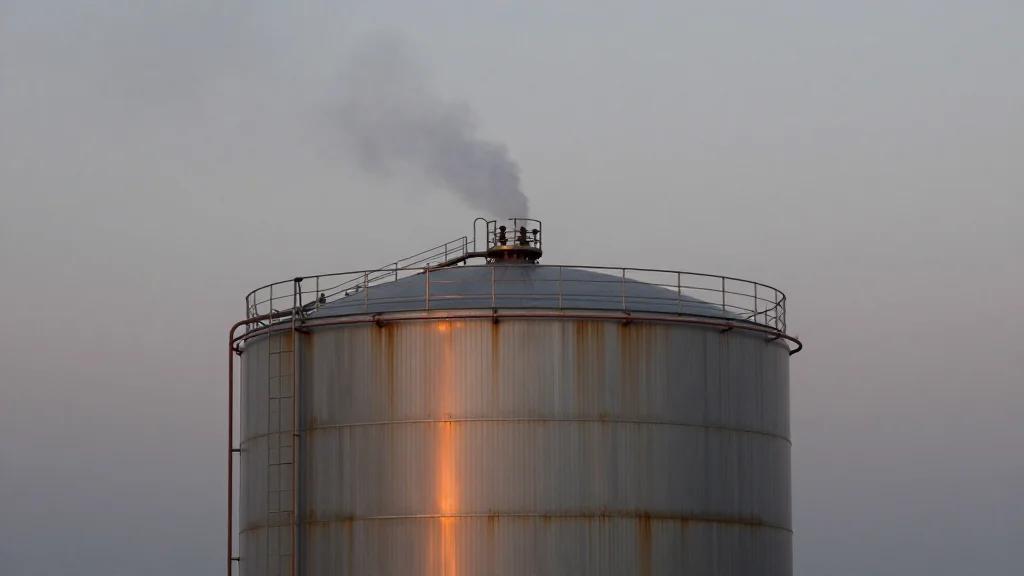
Explosion at Smitty’s Supply Shuts Down Louisiana Lubricant Plant and Triggers Toxic Release

Why It Matters
The Roseland explosion highlights how a single incident at a modest chemical manufacturer can cascade into public health crises, supply‑chain disruptions, and regulatory upheaval. For the broader manufacturing sector, it serves as a cautionary tale about the need for robust safety protocols, transparent communication with affected communities, and proactive environmental monitoring. If policymakers adopt stricter oversight in response, manufacturers across the Gulf Coast may face higher compliance costs but could also benefit from restored public trust and reduced risk of future incidents. The incident may accelerate industry‑wide adoption of real‑time emissions sensors and third‑party safety audits, reshaping operational standards for small‑scale chemical producers.
Key Takeaways
- •Explosion and fire at Smitty’s Supply on Aug. 22, 2025 forced plant shutdown and evacuations.
- •Petroleum products spilled into ponds and the Tangipahoa River, contaminating local water sources.
- •EPA declares area safe, but residents report ongoing health symptoms and environmental damage.
- •Estimated loss of 12,000 barrels of lubricant per month could raise regional prices by up to 10%.
- •State legislators propose new real‑time emissions monitoring and safety audit requirements.
Pulse Analysis
The Roseland incident is a stark reminder that safety lapses in low‑volume chemical plants can have outsized economic and social impacts. Historically, the U.S. manufacturing sector has focused regulatory attention on large, high‑profile facilities, leaving smaller operations with less stringent oversight. This gap has allowed risk‑prone practices to persist, as evidenced by the prolonged fire and the delayed containment of pollutants.
In the short term, the disruption will likely push automotive shops in the Gulf Coast to seek alternative lubricant suppliers, potentially accelerating consolidation among larger chemical firms that can guarantee uninterrupted delivery. Over the longer horizon, the proposed state legislation could set a precedent for nationwide reforms, compelling even modest manufacturers to invest in advanced monitoring technology—a cost that may be passed on to downstream customers.
Strategically, companies with diversified supply chains will be better positioned to weather such shocks, while those reliant on single‑source inputs may need to reassess their risk management frameworks. The incident also underscores the growing political and community pressure for environmental justice, suggesting that manufacturers will have to balance cost efficiencies with transparent, proactive community engagement to maintain their social license to operate.
Explosion at Smitty’s Supply Shuts Down Louisiana Lubricant Plant and Triggers Toxic Release
Comments
Want to join the conversation?
Loading comments...