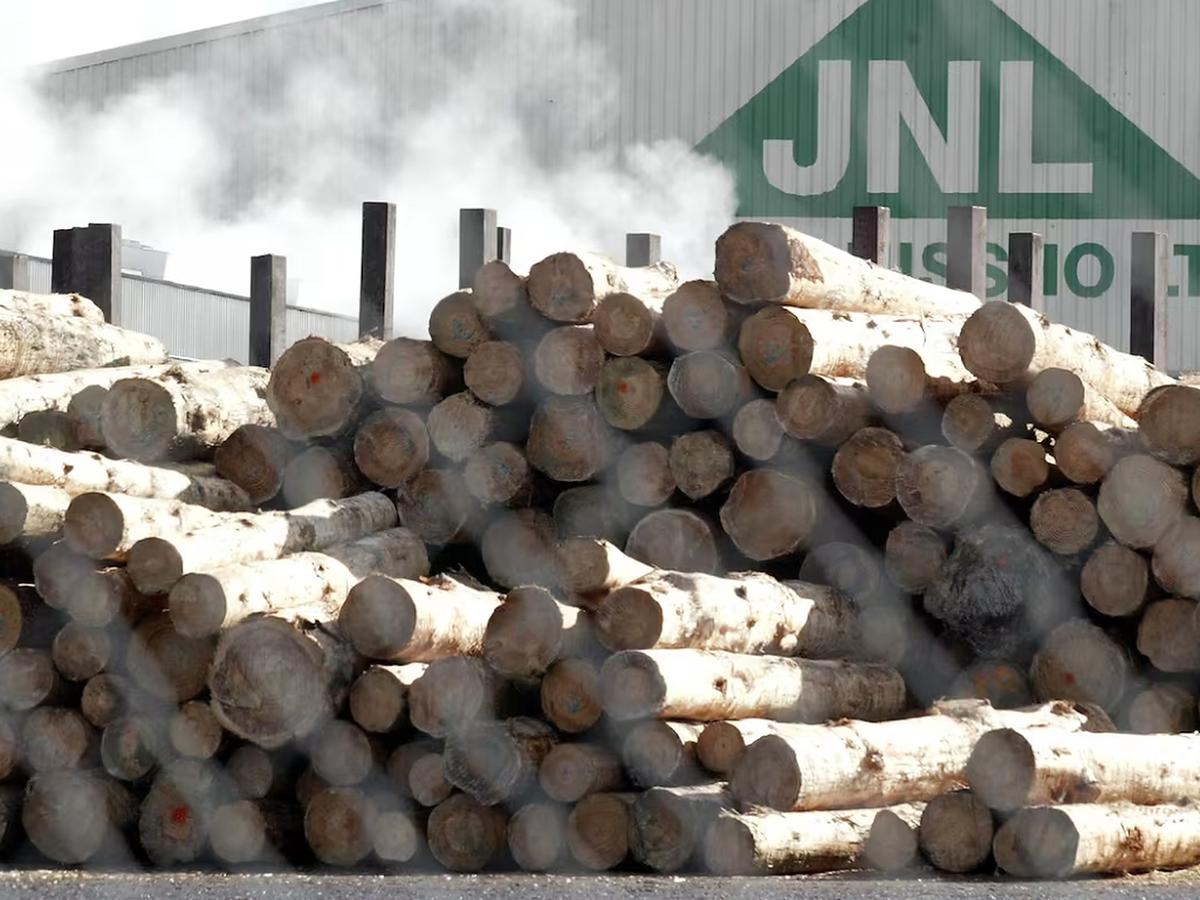
Far North Hunts for White Knight Before It’s Too Late for Juken Mills
Why It Matters
The transaction determines whether a critical employer and a cornerstone of Northland’s forestry supply chain remain operational, affecting regional employment and the broader wood‑processing sector. A successful sale could stabilise the local economy and unlock growth potential for New Zealand investors.
Key Takeaways
- •Juken NZ seeks buyer for Kaitāia Northland Mill and Triboard plant
- •200 local jobs at risk if sale fails before parent exits
- •PwC leads tender; councils and Northland Inc back investor search
- •High electricity costs and weak export demand drive Juken's divestiture
- •Regional investors see growth potential in Northland's forestry infrastructure
Pulse Analysis
New Zealand’s wood‑processing industry has entered a period of turbulence, highlighted by Juken New Zealand’s decision to off‑load its Kaitāia assets. The Northland Mill, focused on sawn timber, and the Triboard plant, which produces engineered panels, have struggled under the nation’s highest electricity prices and a slump in key export markets such as China and Japan. These cost pressures, combined with a weakening domestic construction sector, have eroded profitability despite previous turnaround efforts, prompting the Japanese parent to seek an exit by next month.
The stakes are especially high for the Far North region, where the two facilities employ roughly 200 workers—about one in thirty residents in a town of 6,000. The Far North District Council, Northland Regional Council, and development agency Northland Inc have rallied behind the tender, emphasizing job retention, skill preservation, and continued processing capacity as strategic priorities. By partnering with PwC, they aim to attract a credible “white‑knight” investor who can navigate the tender process quickly, ensuring continuity of operations and safeguarding the local service economy that depends on these jobs.
Beyond the immediate community, the sale represents a broader opportunity for New Zealand investors to capitalize on a mature forestry infrastructure. Northland’s abundant timber resources, experienced workforce, and existing logistics networks provide a solid foundation for scaling value‑added wood products. If a domestic consortium steps in, it could revitalize the regional supply chain, reduce reliance on foreign ownership, and position the Northland Mill as a hub for sustainable timber manufacturing amid growing global demand for green construction materials. The outcome will signal the health of New Zealand’s forest‑based industries and the effectiveness of regional development interventions.
Far North Hunts for White Knight Before it’s Too Late for Juken Mills
Comments
Want to join the conversation?
Loading comments...