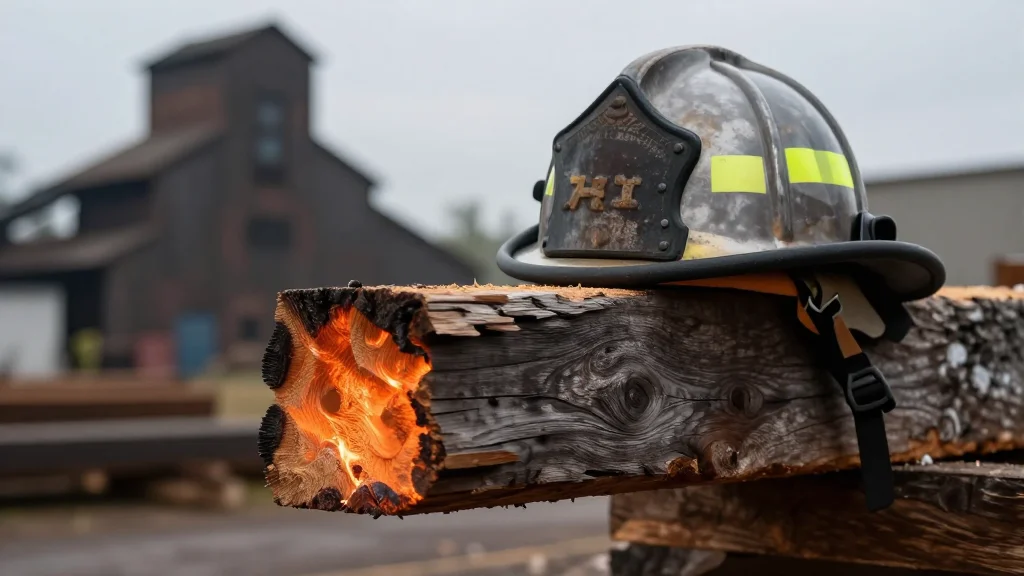
Firefighter Killed, 11 Injured in Explosion at Historic Maine Lumber Mill

Why It Matters
The explosion at Robbins Lumber highlights the intersection of industrial safety and regional economic stability in Maine’s manufacturing heartland. As a multi‑generation employer, the mill’s shutdown threatens jobs, tax revenue, and the supply of high‑tech lumber products that feed construction, furniture, and export markets. Moreover, the loss of a firefighter underscores the human cost of industrial accidents and may prompt stricter oversight of fire safety in aging facilities. Beyond the immediate tragedy, the incident could catalyze broader policy discussions about modernizing safety infrastructure in legacy manufacturing plants. With the state’s wood‑products sector contributing billions to the economy, ensuring that historic mills can safely adopt new technologies is essential for maintaining competitiveness and protecting communities.
Key Takeaways
- •Firefighter Andrew Cross, 27, died and 11 people were injured after an explosion at Robbins Lumber in Searsmont, Maine
- •The blast followed a silo fire that started around 10:05 a.m. on Friday, spreading to multiple buildings
- •Robbins Lumber, a family‑owned high‑tech lumber manufacturer since 1881, will remain closed pending investigation
- •Maine’s wood‑products industry contributes over $8 billion annually and supports about 29,000 jobs
- •State investigators are probing the cause while local officials mobilized two dozen fire departments for the response
Pulse Analysis
The Robbins Lumber disaster serves as a stark reminder that even long‑standing manufacturers must continuously invest in safety upgrades. While the mill has branded itself as "high‑tech," the fatal explosion suggests that legacy structures may still harbor hidden hazards, especially when older silos or storage facilities are retrofitted without comprehensive risk assessments. In the short term, the loss of production capacity will tighten an already constrained supply chain for Maine’s lumber market, potentially inflating prices for builders and downstream manufacturers.
Historically, Maine’s wood‑products sector has relied on a mix of family‑run mills and larger corporate players. The shutdown of a fifth‑generation operation like Robbins could accelerate consolidation, as larger firms with deeper capital reserves may acquire distressed assets or expand capacity to fill the gap. Policymakers may also feel pressure to tighten fire‑safety regulations, which could increase compliance costs but ultimately reduce the likelihood of future tragedies.
Looking ahead, the industry’s resilience will hinge on how quickly Robbins can rebuild or modernize its facilities and whether the state can provide targeted assistance to preserve jobs. The incident could also spur innovation in fire‑suppression technology tailored to lumber processing, turning a painful loss into a catalyst for safer, more efficient manufacturing practices across the region.
Firefighter Killed, 11 Injured in Explosion at Historic Maine Lumber Mill
Comments
Want to join the conversation?
Loading comments...