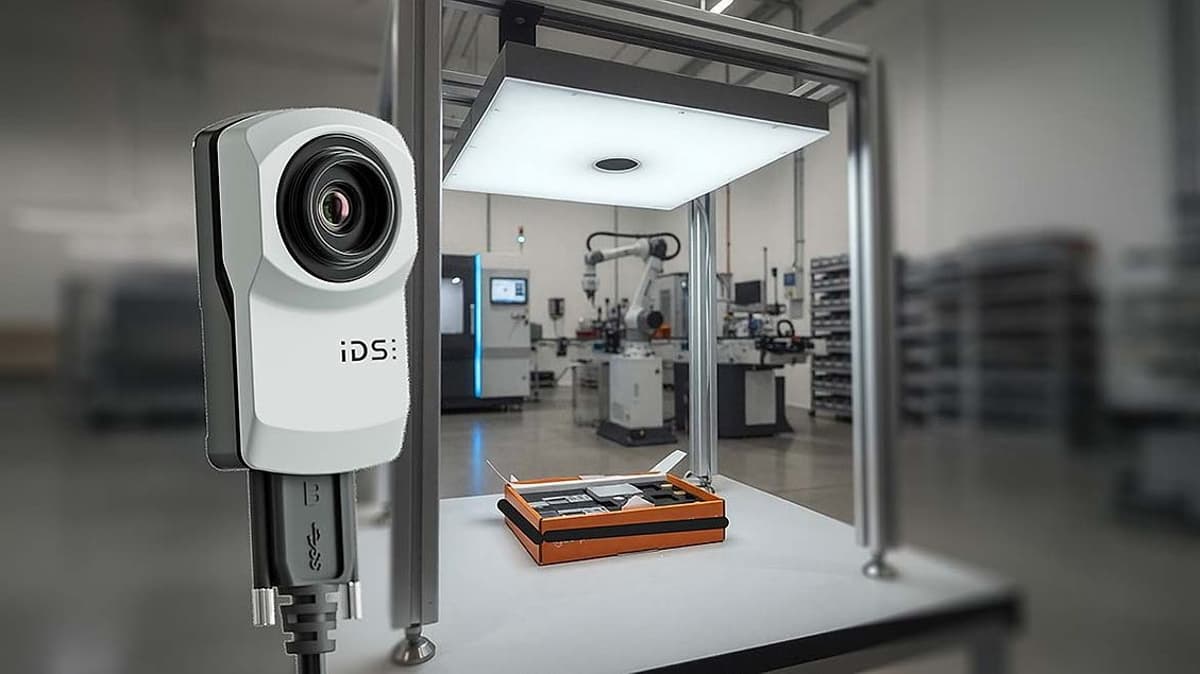
Flexible AI Inspection: How Learning Systems Are Changing Visual Quality Control
Why It Matters
Flexible AI inspection cuts downtime and specialist costs while accelerating time‑to‑market for new variants, directly boosting manufacturers’ bottom line.
Key Takeaways
- •AI inspection learns natural variation, cutting false alarms on plastic parts.
- •Real‑time defect marking shortens changeover and ramp‑up cycles.
- •No‑code model training lets operators replace vision specialists.
- •Edge‑deployed cameras deliver low‑latency decisions without cloud reliance.
- •Flexible systems support multiple product variants on a single platform.
Pulse Analysis
The rise of AI‑powered visual inspection addresses a fundamental bottleneck in modern manufacturing: the need to guarantee quality amid ever‑changing conditions and an expanding product portfolio. Traditional rule‑based vision systems falter when lighting shifts, parts drift off‑center, or surface gloss varies, prompting costly retuning cycles. Machine‑learning models, by contrast, ingest a representative set of images and internalize the acceptable range of variation, allowing them to distinguish genuine defects from normal tolerances. This capability is especially valuable for plastic components, where flow lines and gloss can fluctuate dramatically, and for electronics assemblies that rely on manual component placement.
Operationally, AI inspection delivers immediate, on‑screen defect marking, enabling operators to react instantly during changeovers or ramp‑up phases. No‑code training tools empower quality engineers to upload sample images, define regions of interest, and launch model training directly from a browser, eliminating the need for external vision experts. Edge‑based processing ensures low‑latency decisions and keeps proprietary data on‑premise, sidestepping cloud latency and security concerns. The combination of rapid model iteration and stable, high‑resolution imaging reduces false rejects, shortens setup times, and frees skilled personnel for higher‑value tasks.
Looking ahead, flexible inspection platforms are poised to become integral nodes within the production line, feeding defect data to robotics, MES and predictive analytics systems. Continuous learning loops will allow models to evolve with new defect patterns, turning inspection from a reactive checkpoint into a proactive quality safeguard. As manufacturers pursue shorter product cycles and higher mix ratios, AI‑driven visual inspection will be a key differentiator, driving efficiency, reducing waste, and supporting the broader Industry 4.0 agenda.
Flexible AI Inspection: How Learning Systems Are Changing Visual Quality Control
Comments
Want to join the conversation?
Loading comments...