Ford Energy Secures 20 GWh Battery Storage Deal, Repurposes EV Plants for Grid Power

Companies Mentioned
Why It Matters
Ford’s battery‑storage deal illustrates how legacy automakers can redeploy existing manufacturing capacity to meet the growing demand for grid‑scale energy solutions, a sector projected to exceed $500 billion globally by 2030. By converting EV‑battery lines into storage production, Ford not only mitigates under‑utilization of its plants but also diversifies revenue streams amid a slowdown in electric‑vehicle sales. The partnership with EDF also signals a deeper integration between the automotive and utility sectors, potentially accelerating the adoption of renewable‑energy balancing assets. If Ford can meet its 20 GWh annual target, it could set a precedent for other manufacturers to follow, reshaping supply chains and competitive dynamics across both the automotive and energy‑storage industries.
Key Takeaways
- •Ford Energy signs a 5‑year framework with EDF Power Solutions to supply up to 20 GWh of battery storage.
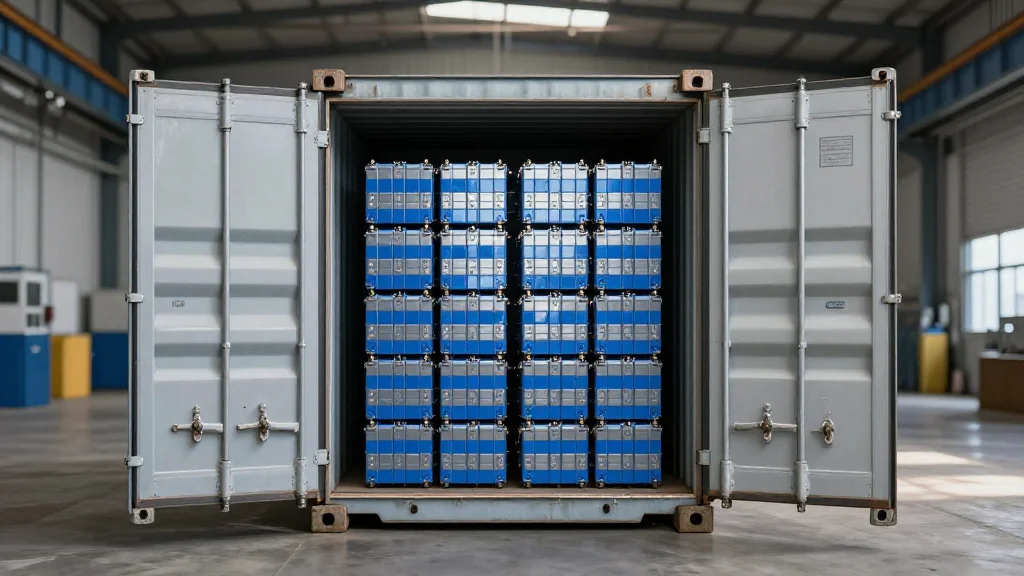
- •Agreement allows EDF to procure up to 4 GWh per year of 5.45 MWh containerized DC Block units.
- •Deal leverages idle EV‑battery capacity at Ford’s Kentucky and Michigan plants.
- •Ford aims to produce a minimum of 20 GWh of storage annually, rivaling dedicated storage firms.
- •Deliveries are slated to begin in late 2027, supporting grid‑frequency regulation and peak‑load shifting.
Pulse Analysis
Ford’s foray into grid‑scale storage is more than a diversification play; it is a strategic response to a structural mismatch between EV demand and manufacturing capacity. By repurposing its high‑throughput battery lines, Ford can achieve unit‑cost reductions that pure‑play storage manufacturers, which often operate at lower volumes, struggle to match. This cost advantage could translate into more competitive pricing for utilities, accelerating storage adoption and reinforcing Ford’s relevance in the decarbonization narrative.
Historically, automakers have dabbled in ancillary markets—Toyota’s venture into hydrogen fuel cells, GM’s past involvement in aerospace—but few have pursued a direct, large‑scale pivot to energy storage. Ford’s approach benefits from its existing supply‑chain relationships, logistics network, and regulatory familiarity, giving it a head‑start over newer entrants. However, the company must navigate potential bottlenecks: balancing vehicle battery orders with storage contracts could strain raw‑material supplies, especially lithium and nickel, unless Ford secures long‑term sourcing agreements.
Looking ahead, the success of this initiative will hinge on policy support for storage incentives and the pace of utility grid‑modernization. If the U.S. Congress expands tax credits for storage projects, demand could surge, allowing Ford to scale quickly. Conversely, a slowdown in utility spending or supply‑chain disruptions could limit the upside. Nonetheless, Ford’s move signals a broader industry trend where manufacturers treat their factories as flexible platforms capable of producing both mobility and energy‑infrastructure assets, a convergence that could redefine the manufacturing landscape over the next decade.
Ford Energy Secures 20 GWh Battery Storage Deal, Repurposes EV Plants for Grid Power
Comments
Want to join the conversation?
Loading comments...