Ford Expects $1.3B Tariff Refund, but Supply Chain Pressure Remains
Why It Matters
The refund eases Ford’s near‑term cash flow but persistent tariff exposure and aluminum supply shocks keep profit margins under pressure, highlighting the fragile balance between cost recovery and supply‑chain resilience in the auto sector.
Key Takeaways
- •Ford expects $1.3 B tariff refunds, $700 M to Blue division
- •$1 B full‑year impact remains from still‑active tariffs
- •Aluminum supply disruptions could cost $1.5‑2 B one‑time expenses
- •Novelis fire delays aluminum throughput; restart slated for Q2 2026
- •Commodity headwinds add $2 B pressure, driven by higher aluminum prices
Pulse Analysis
The $1.3 billion tariff refund Ford announced reflects the lingering fallout from recent trade policies that imposed duties on imported components. While the refund eases cash‑flow constraints, it arrives against a backdrop of $1 billion in still‑active tariff liabilities that will dent earnings this year. Industry analysts see the refund as a short‑term boost, but the broader narrative is one of firms scrambling to reclaim costs while navigating a volatile trade environment that could re‑impose duties at any time.
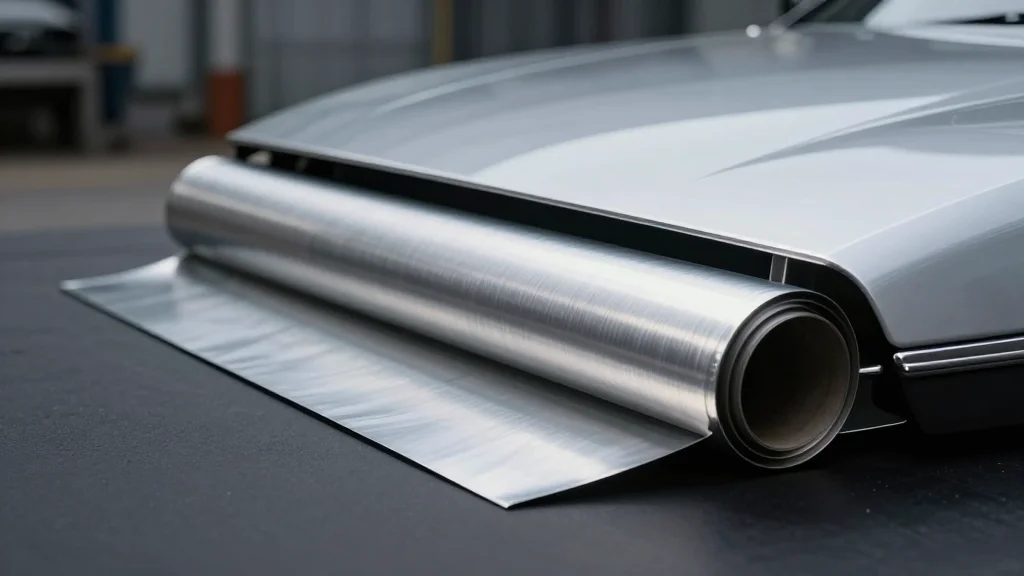
Supply‑chain turbulence remains the dominant risk for Ford. Fires at Novelis, a primary aluminum supplier, have throttled throughput, forcing the automaker to allocate $1.5‑2 billion for alternative sourcing. Aluminum prices have surged due to global shortages, adding roughly $2 billion of commodity headwinds to Ford’s cost structure. The company’s multiyear contracts, many indexed to commodity prices with a quarter lag, provide some cushion but cannot fully offset the immediate price spikes. The anticipated Q2 2026 restart of the Novelis plant is critical to stabilizing aluminum supply for the second half of the year.
Ford’s situation mirrors a wider industry trend where legacy automakers and newer entrants alike are wrestling with the dual challenge of recouping tariff payments and managing raw‑material volatility. General Motors and Stellantis have disclosed comparable refund expectations, underscoring a sector‑wide effort to mitigate trade‑related expenses. However, the reliance on indexed supplier contracts and contingency sourcing strategies suggests that future profitability will hinge on how effectively manufacturers can balance cost recovery with resilient, diversified supply chains. Investors will watch Ford’s ability to translate these refunds into net earnings while containing the $2 billion commodity drag.
Ford expects $1.3B tariff refund, but supply chain pressure remains
Comments
Want to join the conversation?
Loading comments...