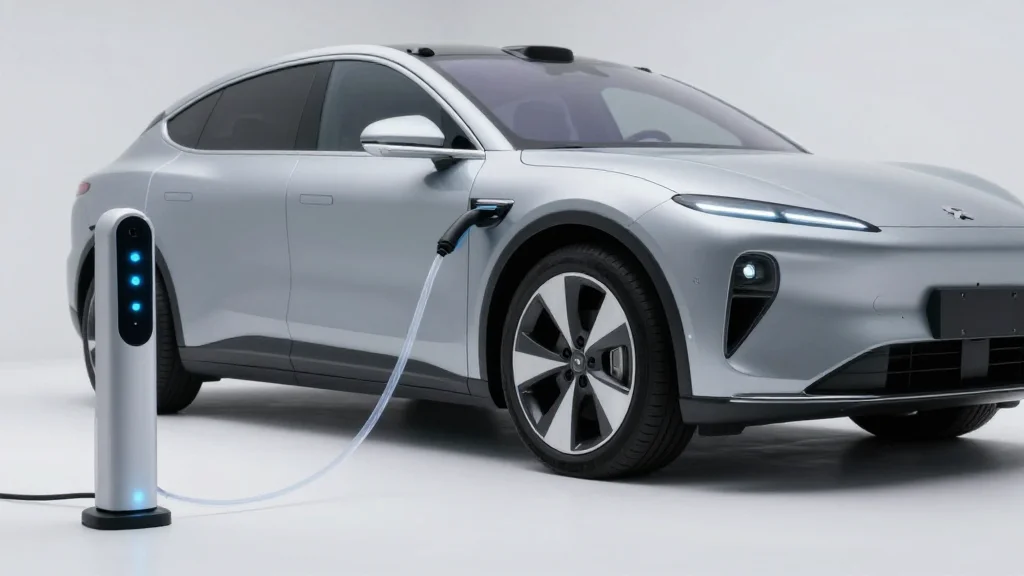
Foxtron Unveils Cavira EV, Targeting Tesla Model Y Segment

Companies Mentioned
Why It Matters
Foxconn’s move into electric vehicles signals a shift for one of the world’s largest contract manufacturers toward owning consumer‑facing products. Success with the Cavira could open new revenue streams and reduce reliance on volatile contract margins. Moreover, the company’s deep relationships with component suppliers may give it a cost advantage in battery procurement and assembly, potentially reshaping competitive dynamics in the EV market. The launch also raises questions about supply‑chain resilience. If Foxtron can source batteries, semiconductors, and other critical parts at scale, it may set a precedent for other contract manufacturers to develop proprietary brands, further blurring the line between OEMs and contract assemblers.
Key Takeaways
- •Foxtron launches Cavira EV SUV in Taiwan at NT$1.239 million (≈$38,167)
- •Dual‑motor version: 468 hp, 0‑100 km/h in 3.8 s, 334‑mile range
- •Single‑motor version: 249 hp, up to 359‑mile range
- •82.7 kWh battery charges 10‑80% in <30 minutes
- •First rollout in Taiwan; no U.S. availability announced
Pulse Analysis
Foxconn’s foray into EVs with the Cavira reflects a broader trend of contract manufacturers seeking brand equity and higher margins by moving up the value chain. Historically, Foxconn has built devices for Apple, Samsung, and other tech giants, but the EV market offers a platform where its scale can be leveraged against entrenched players like Tesla and BYD. The Cavira’s specifications are competitive on paper, yet real‑world performance, after‑sales service, and brand perception will determine market acceptance.
From a supply‑chain perspective, Foxconn’s existing relationships with semiconductor fabs and battery pack assemblers could mitigate some of the bottlenecks that have plagued newer EV startups. However, the company must also navigate the capital intensity of vehicle production, regulatory compliance across regions, and the need for a dealer network—areas where traditional automakers retain an advantage. The decision to launch first in Taiwan, a market where Foxconn already enjoys brand recognition, is a prudent low‑risk entry point.
Looking ahead, the Cavira could serve as a testbed for Foxtron’s modular platform strategy. If sales meet expectations, Foxconn may accelerate development of additional body styles and expand into larger markets such as Southeast Asia or Europe. Conversely, a tepid response could force the company to double‑down on its core contract business, reinforcing the importance of diversification as a hedge against cyclical demand in consumer electronics.
Foxtron Unveils Cavira EV, Targeting Tesla Model Y Segment
Comments
Want to join the conversation?
Loading comments...