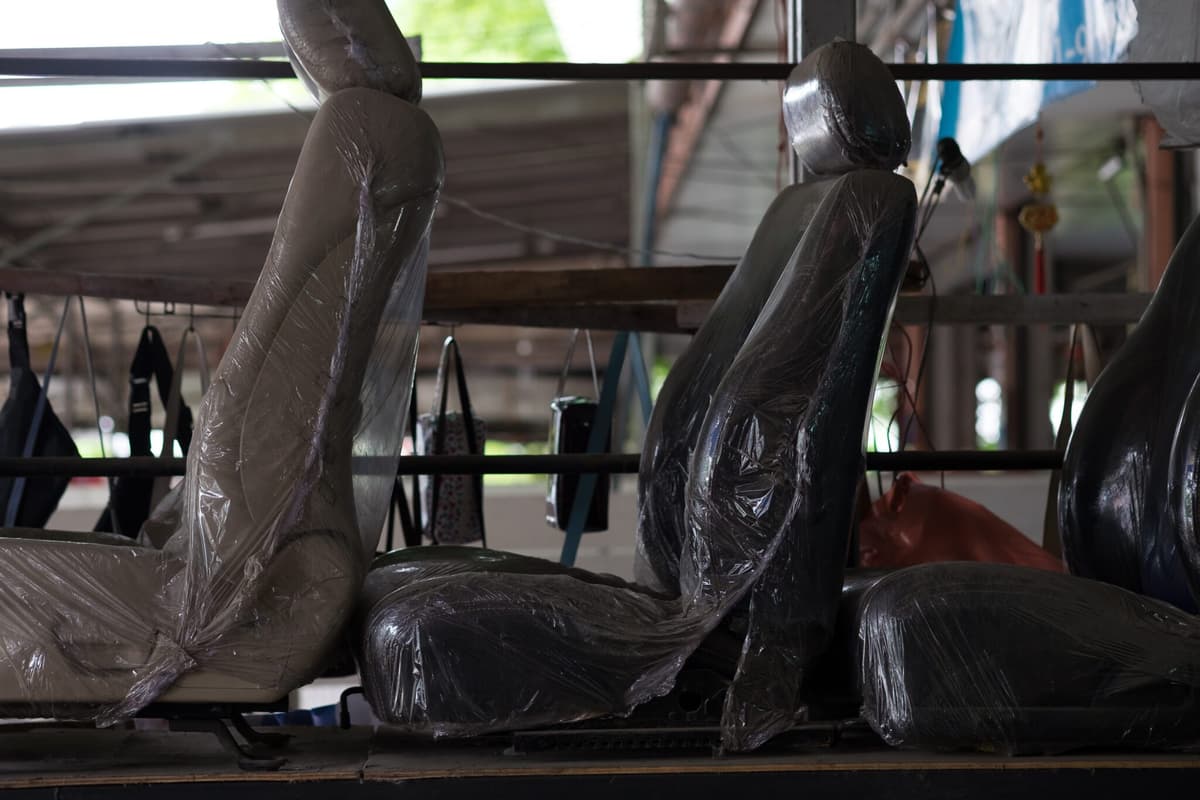
From Mechanical to Mechatronic: How Automation Is Reshaping Seat Manufacturing
Why It Matters
Automation that can handle mechatronic seat complexity enables automakers to meet tight delivery schedules, reduce downtime, and control costs while supporting a growing array of personalized features.
Key Takeaways
- •Seats now integrate mechanics, electronics, pneumatics, airbags, raising assembly difficulty
- •Recipe‑driven automation cuts seat build cycle time up to 40%
- •Robotic guided wiring and pneumatic routing eliminates operator variation
- •Early OEM‑Tier‑automation collaboration yields automation‑friendly designs, avoiding costly retrofits
- •AGV‑based modular lines provide flexible stations for future seat features
Pulse Analysis
The rise of mechatronic vehicle seats reflects a broader industry trend toward electrified, connected interiors. Each seat now houses control modules, pressure sensors, and airbag pretensioners, creating a dense web of mechanical, electrical, and pneumatic interfaces. Managing dozens of trim levels and optional features on a single line strains traditional batch‑and‑changeover models, pushing manufacturers to seek real‑time, data‑driven solutions that can adapt on the fly. This complexity not only inflates engineering effort but also amplifies the risk of assembly errors, making robust quality assurance a competitive differentiator.
Intelligent automation addresses these challenges through software‑centric approaches. Recipe‑driven kitting ensures the right components arrive at the exact moment they are needed, while robotic‑guided assembly (RGA) standardizes wiring and pneumatic routing, delivering up to 40% faster cycle times and near‑zero rework. Variable‑data feedback loops capture current, pressure, and torque metrics, feeding predictive maintenance algorithms that flag drift before a failure occurs. Vision systems and pressure‑sensitive gloves add poka‑yoke checks without slowing takt time, turning validation into a continuous, invisible layer of quality control.
Strategic collaboration is the final piece of the puzzle. When OEMs involve Tier‑1 suppliers and automation integrators early in the design phase, they can embed features like standardized mounting points, modular harness routes, and sensor‑ready interfaces directly into the seat architecture. This design‑for‑manufacturing mindset eliminates costly post‑design retrofits and paves the way for AGV‑based, modular production cells that can be reconfigured as new seat functions emerge. As vehicle interiors become more personalized and software‑defined, such flexible, data‑rich automation will be the backbone that keeps factories agile, profitable, and ready for the next generation of intelligent seating.
From mechanical to mechatronic: How automation is reshaping seat manufacturing
Comments
Want to join the conversation?
Loading comments...