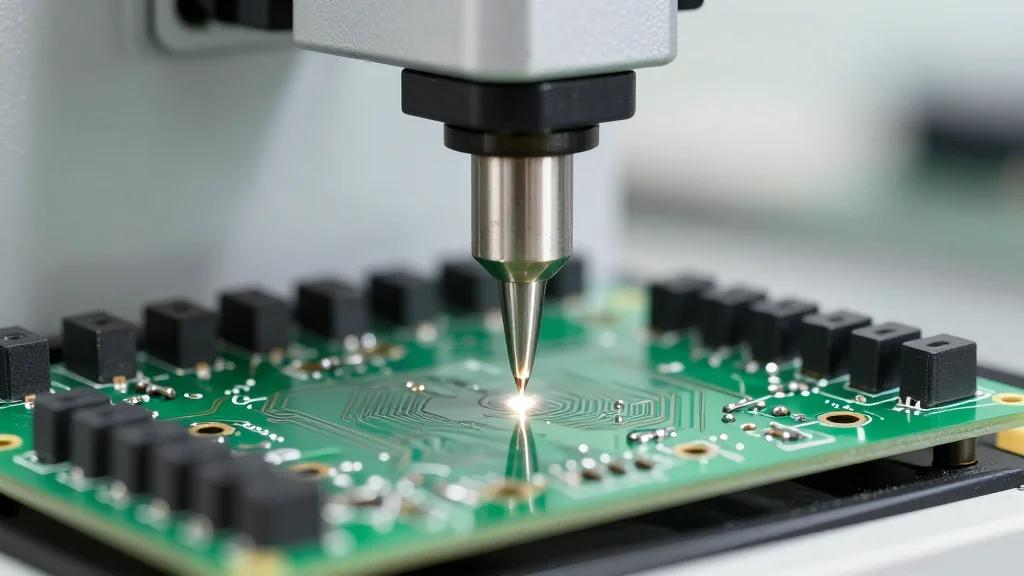
From Selective Soldering to Inspection: How THT Processes Are Evolving
Why It Matters
Automation reduces labor fatigue and variability, while embedded inspection safeguards quality, giving manufacturers a scalable path to higher throughput and lower defect rates.
Key Takeaways
- •Selective soldering reduces fatigue‑related defects in high‑volume runs
- •Wave soldering remains viable for large, simple assemblies
- •Small manufacturers adopt entry‑level machines to meet sudden demand spikes
- •Automated optical inspection now integral to THT quality control
Pulse Analysis
The resurgence of through‑hole technology is less about the soldering method and more about the pressures of modern production. Manual soldering, once the default, suffers from operator fatigue, leading to inconsistent joints after a few hours. Selective soldering machines eliminate that human variable, delivering repeatable results and enabling simultaneous soldering of closely spaced pins. For manufacturers handling mixed‑volume orders, the technology offers a cost‑effective bridge between labor‑intensive hand work and the blanket approach of wave soldering, which still excels on large, uncomplicated boards.
As automation spreads, the bottleneck shifts from soldering to verification. Automated optical inspection (AOI) systems—both 2D and emerging 3D solutions—can scan each board before and after soldering, detecting misalignments, insufficient wetting, or bridging in real time. The ability to inspect both PCB sides simultaneously reduces rework cycles and supports tighter tolerances demanded by high‑density designs. Integrating AOI into the production line transforms inspection from a downstream checkpoint into a continuous feedback loop, ensuring that the consistency promised by machines is actually realized.
Market implications are clear: firms that invest early in selective soldering and AOI gain a competitive edge through higher yield and faster time‑to‑market. Smaller players, in particular, can scale quickly without massive hiring, leveraging entry‑level equipment to absorb demand spikes. As the industry embraces these technologies, the workforce will evolve toward roles that manage and interpret inspection data rather than perform repetitive soldering, reshaping skill requirements across the electronics supply chain.
From selective soldering to inspection: how THT processes are evolving
Comments
Want to join the conversation?
Loading comments...