German DFI Makes Multimillion EU-Backed Investment in Sustainable Manufacturing in Bangladesh
Why It Matters
The investment demonstrates how European capital is mobilising to drive green industrialisation in emerging markets, creating both environmental benefits and economic opportunities. It also signals a scalable model for circular‑economy manufacturing across South Asia.
Key Takeaways
- •German development finance institution commits €10 million to Bangladesh's Banga Building Materials
- •Investment targets circular‑economy processes that replace plastic with bio‑based alternatives
- •EU backing aligns with Green Deal goals for sustainable industrialisation abroad
- •Project expected to create 500+ local jobs and cut waste by 30%
- •Banga's model could be replicated across South Asian supply chains
Pulse Analysis
European development finance is increasingly channelled toward climate‑resilient projects in the Global South, and the German DFI’s latest commitment exemplifies this trend. Backed by the European Union, the €10 million (≈$10.9 million) infusion into Banga Building Materials aligns with the EU’s Green Deal agenda, which seeks to export sustainable standards and technologies beyond Europe’s borders. By financing circular‑economy upgrades, the DFI not only reduces reliance on virgin plastics but also helps Bangladesh meet its own waste‑management targets under the Sustainable Development Goals.
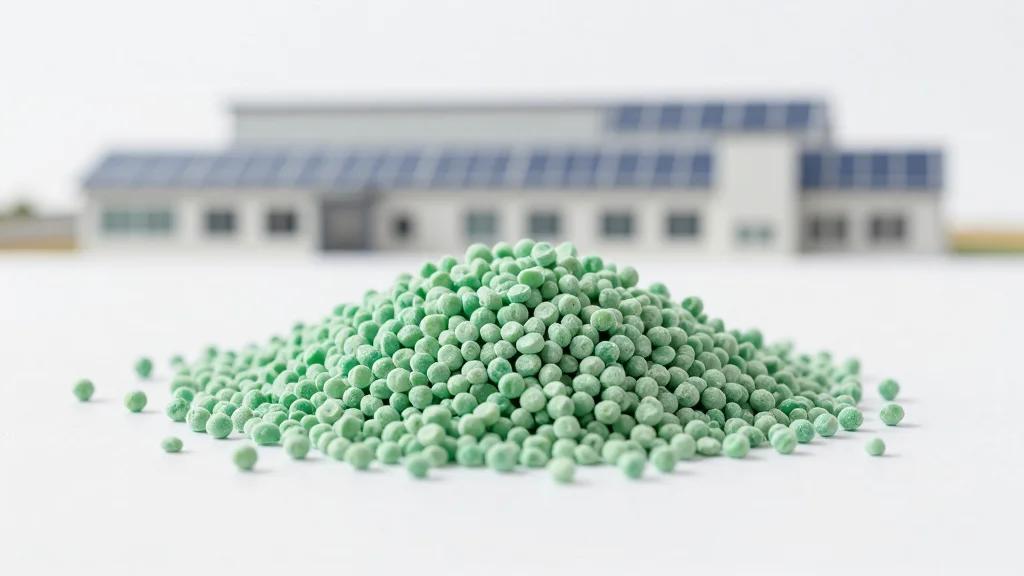
Banga Building Materials, a pioneer in bio‑based construction inputs, will use the funds to scale up production lines that substitute petro‑derived plastics with locally sourced, biodegradable polymers. The initiative is expected to slash material waste by up to 30 % and create more than 500 jobs, injecting much‑needed income into a region where manufacturing employment is a key growth driver. Moreover, the project’s emphasis on diversity, equity, and inclusion ensures that hiring practices favour under‑represented groups, reinforcing social impact alongside environmental gains.
The broader implication for investors is clear: EU‑backed financing is becoming a catalyst for replicable, low‑carbon industrial models in emerging economies. As South Asian supply chains grapple with rising regulatory pressure and consumer demand for greener products, projects like Banga’s offer a template for scaling sustainable manufacturing. This momentum could unlock further private‑capital participation, positioning Europe as a strategic partner in the global transition to a circular economy.
German DFI makes multimillion EU-backed investment in sustainable manufacturing in Bangladesh
Comments
Want to join the conversation?
Loading comments...