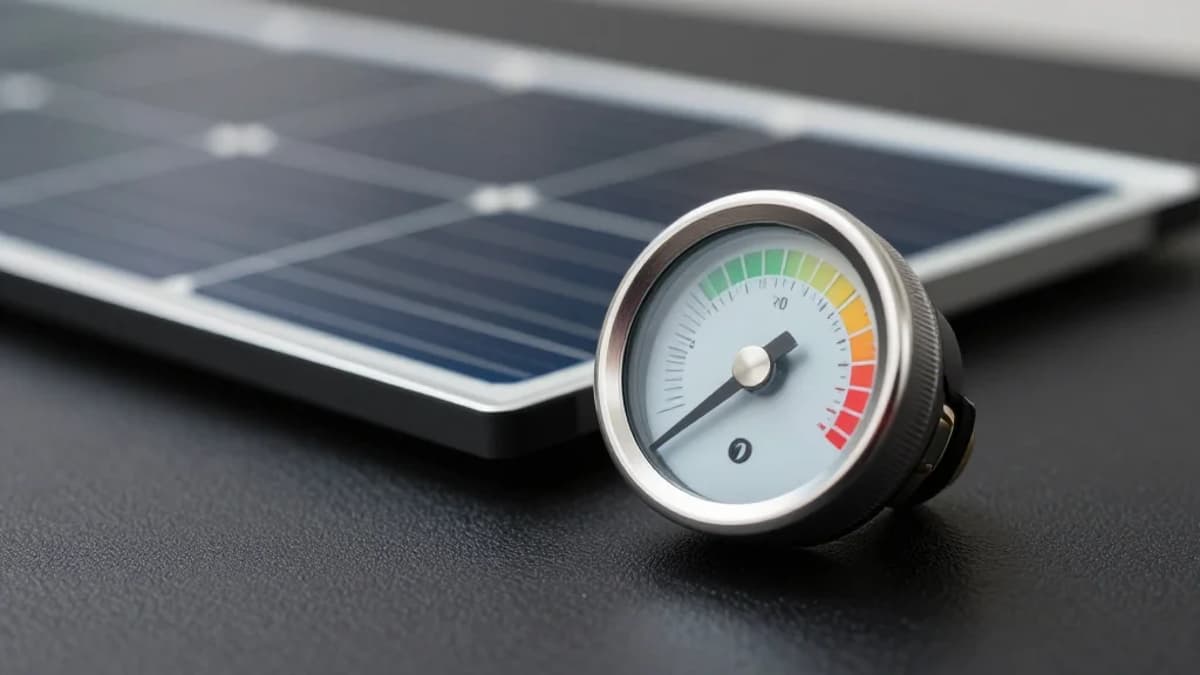
Germany’s Texxecure Launches Standardized Quality Rating for PV Systems
•March 4, 2026
0
Why It Matters
A uniform rating reduces technical uncertainty, unlocking cheaper capital and insurance for solar developers and investors.
Key Takeaways
- •Uniform AAA‑D rating simplifies PV risk assessment
- •Two‑step review combines document audit and on‑site inspection
- •Component type‑ratings feed algorithmic project scores
- •Enables refinancing, resale, and insurance of existing plants
- •Backed by HDI‑Gerling, Munich Re, and IEA endorsement
Pulse Analysis
The rapid expansion of utility‑scale solar has outpaced the industry’s ability to assess technical risk consistently. Developers, banks and insurers often rely on disparate due‑diligence reports, leading to duplicated effort and divergent risk premiums. By introducing a single, transparent metric that condenses module, inverter and system performance into an AAA‑to‑D score, Texxecure addresses this fragmentation. The rating aligns with ISO/IEC‑17000 and ESG frameworks, offering stakeholders a common language for quality and sustainability, which is especially valuable as investors demand clearer risk disclosures.
The Texxecure rating follows a two‑step workflow: first, a comprehensive document audit verifies design specifications, certifications and supply‑chain provenance; second, a certified engineering firm conducts an on‑site inspection, measuring key parameters such as cell efficiency, thermal performance and mounting integrity. Component type‑ratings for modules and inverters are fed into a proprietary algorithm that calculates the overall project score. Certified rating bodies, accredited to ISO/IEC‑17000, issue certificates and store results in a secure database, allowing owners to control data access while maintaining auditability.
From a financing perspective, the rating provides lenders and insurers with an objective, third‑party risk indicator, enabling lower interest rates, faster loan closures and more favorable insurance terms. Asset owners can leverage a high rating to attract equity, refinance aging plants, or command premium resale values. The endorsement by HDI‑Gerling, Munich Re and inclusion in the IEA’s Task‑12 report signals industry acceptance, paving the way for broader adoption across Europe and beyond. As solar technology evolves, the rating’s modular framework can incorporate new components, ensuring long‑term relevance in a rapidly changing market.
Germany’s Texxecure launches standardized quality rating for PV systems
0
Comments
Want to join the conversation?
Loading comments...