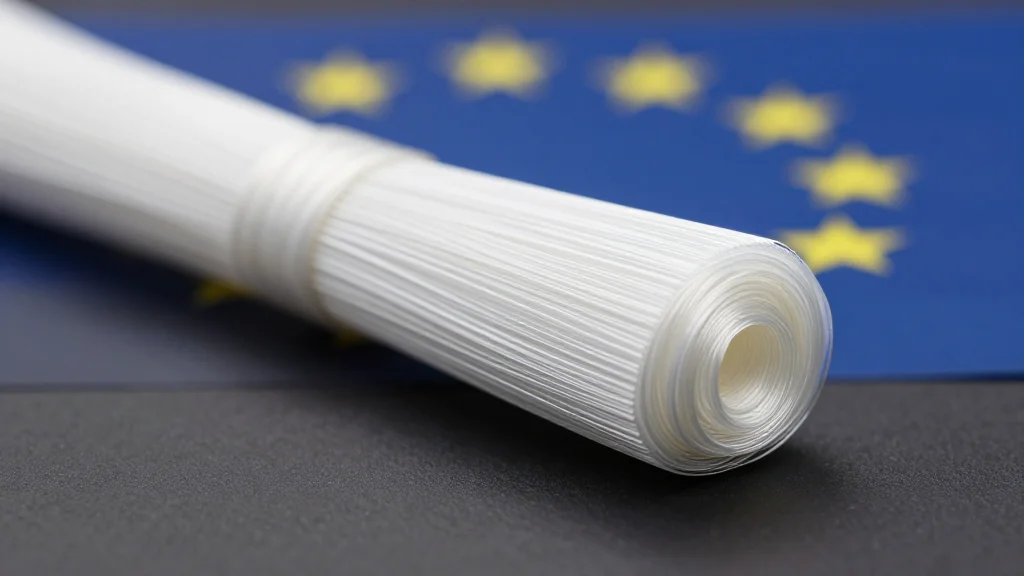
Glass Fibre: EU Anti-Dumping Measures on Imports From Bahrain, Egypt, Thailand
Why It Matters
The measures aim to shield Europe’s strategic glass‑fibre sector—critical for renewables, transport and defence—from price erosion, preserving jobs and industrial competitiveness. Without tougher action, the EU risks plant closures and a weakened supply chain for key climate‑related projects.
Key Takeaways
- •EU duties on glass fibre range from 11% to 25.4%
- •Egyptian imports now face a combined 24.1% duty
- •Industry groups say measures are insufficient to prevent closures
- •Chinese firms in third countries are the target of investigation
- •Stakeholders seek additional tools to ensure fair pricing
Pulse Analysis
The European Commission’s recent anti‑dumping ruling targets glass‑fibre reinforcements supplied by Chinese‑owned producers in Bahrain, Egypt and Thailand. By levying duties between 11% and 25.4%, the EU seeks to counteract what it deems predatory pricing that undercuts domestic manufacturers. Egypt, the largest source of these imports, now carries a cumulative tariff of 24.1% when combined with the 2020 anti‑subsidy levy, signaling a tougher stance on indirect dumping routes.
Glass fibre is a backbone material for high‑growth sectors such as wind turbines, electric‑vehicle chassis, advanced construction and defence systems. European producers argue that the new duties protect not only market share but also the skilled workforce embedded in regional supply chains. However, industry leaders and unions caution that the current rates may be absorbed by exporters, leaving European factories vulnerable to price pressure and potential closures—a scenario that would jeopardise the EU’s climate and energy ambitions.
Looking ahead, Glass Fibre Europe and industriAll Europe are pressing Brussels for a more comprehensive trade policy, including stricter safeguards and incentives for local production. Their agenda calls for regulatory tools that ensure transparent pricing, lower non‑personnel costs for EU manufacturers, and preferential treatment for strategic sectors. If successful, these steps could reinforce Europe’s industrial resilience, safeguard high‑quality jobs, and maintain a level playing field in the global glass‑fibre market.
Glass fibre: EU anti-dumping measures on imports from Bahrain, Egypt, Thailand
Comments
Want to join the conversation?
Loading comments...