GM Installs Robots At Flagship EV Factory After Laying Off 1,300 Workers

Companies Mentioned

Why It Matters
The rollout underscores how accelerating automation can reshape labor relations and cost structures in the U.S. auto sector, potentially eroding union leverage while boosting EV production speed.
Key Takeaways
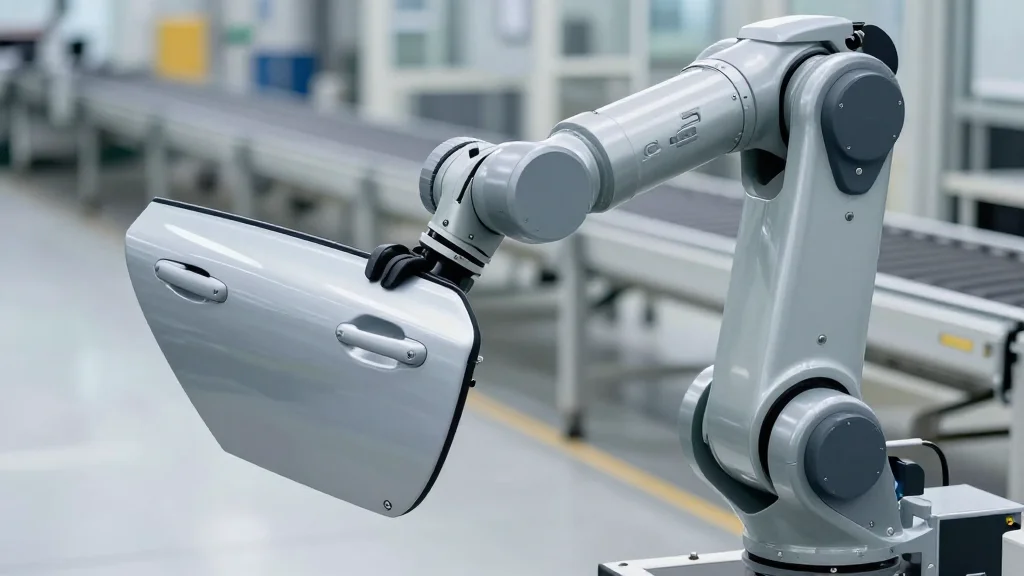
- •GM added ~50 FANUC robot arms to Factory Zero assembly line.
- •1,300 workers still on indefinite layoff after March temporary cuts.
- •UAW argues robots replace workers instead of recalling laid‑off staff.
- •Ford and Stellantis also expanding automation across US manufacturing plants.
- •Hyundai targeting Boston Dynamics Atlas robots for Georgia EV plant by 2028
Pulse Analysis
General Motors’ decision to outfit Factory Zero with roughly fifty FANUC robot arms reflects a strategic response to the mounting pressure of electric‑vehicle production schedules. By automating repetitive welding and component‑attachment tasks, GM aims to tighten cycle times and reduce reliance on a labor pool that has been destabilized by recent layoffs. The timing is notable: the robot rollout coincides with a 1,300‑strong workforce still on indefinite layoff, suggesting the company prefers capital investment over rehiring amid uncertain demand forecasts.
The United Auto Workers has framed the robot deployment as a direct threat to job security, arguing that the technology could replace workers rather than supplement them. This stance taps into a broader industry debate about whether automation can be leveraged to create safer, shorter‑week jobs or merely serve as a cost‑cutting tool for executives. While some unions envision a future where robots handle hazardous tasks, freeing employees for higher‑skill roles, the immediate reality at Factory Zero is a widening gap between management’s efficiency goals and workers’ expectations of a recall.
GM is not alone in this automation surge. Competitors such as Ford and Stellantis have already expanded robotic cells across U.S. plants, and Hyundai plans to introduce Boston Dynamics’ Atlas humanoid robots in its Georgia EV facility by 2028. These moves signal an industry‑wide shift toward advanced robotics as a cornerstone of U.S. manufacturing competitiveness. For investors and policymakers, the key question is how quickly the labor market can adapt to a more robot‑centric production model without triggering destabilizing strikes or eroding the skilled‑worker pipeline essential for the next generation of electric vehicles.
GM Installs Robots At Flagship EV Factory After Laying Off 1,300 Workers
Comments
Want to join the conversation?
Loading comments...