GRSE Deploys AI and Robotics to Modernise India’s Shipbuilding Industry

Why It Matters
GRSE’s AI and robotics push signals a turning point for India’s heavy‑manufacturing sector, demonstrating that legacy shipyards can adopt cutting‑edge technology to boost productivity and quality. By reducing reliance on manual labor, the yard can meet tighter delivery schedules for the Indian Navy while opening pathways to export high‑value, technology‑rich vessels. The initiative also showcases how government‑backed Mini‑Renta firms can leverage strategic autonomy to fund R&D, potentially reshaping the competitive dynamics of global shipbuilding. For the broader manufacturing ecosystem, GRSE’s example may accelerate adoption of AI‑driven quality control and autonomous systems across other capital‑intensive industries, from aerospace to rail, fostering a more resilient and innovative industrial base in India.
Key Takeaways
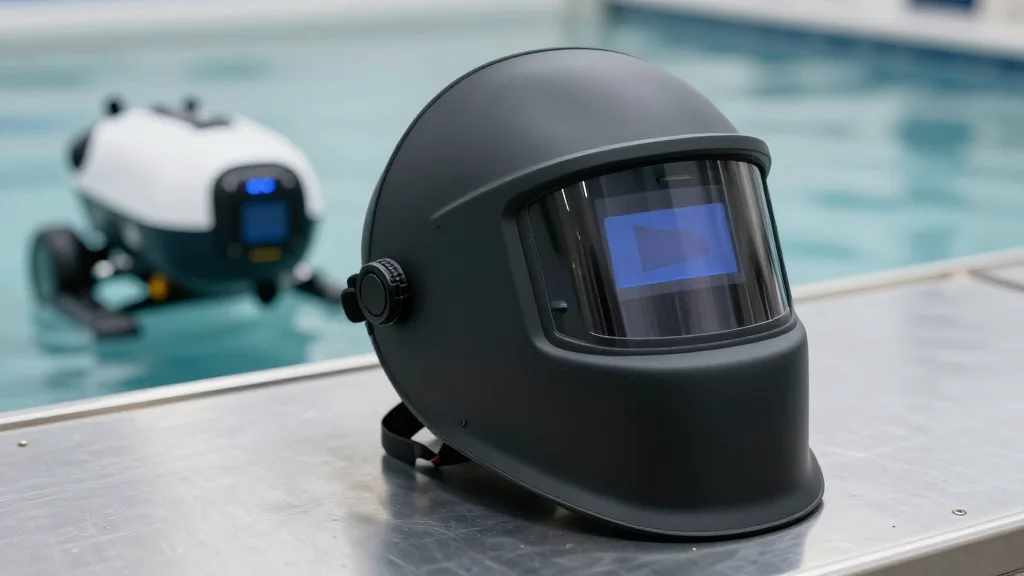
- •GRSE launches AI‑enabled welding helmets and painting robots across its Kolkata shipyard.
- •The yard has built over 800 platforms, including 115 warships, 77 for the Indian Navy.
- •Autonomous surface vessels Swadheen and Jaldoot, and AUV prototype Neerakshi, are in development.
- •Defence Minister Rajnath Singh highlighted >90% indigenous content in recent platforms.
- •GRSE aims to certify autonomous vessels for operational use by 2028 and expand exports.
Pulse Analysis
GRSE’s rapid integration of AI and robotics reflects a broader strategic imperative for India to modernise its defence manufacturing base. Historically, Indian shipyards have lagged behind peers in automation, relying heavily on manual craftsmanship. By introducing AI‑driven welding helmets and robotic painting, GRSE not only cuts cycle times but also embeds data analytics into quality assurance, a capability that can be monetised through export of both the technology and the vessels themselves.
The move also positions GRSE to compete with established shipbuilders in Europe and East Asia, where digital twins and autonomous vessel platforms are becoming standard. If GRSE can demonstrate reliable performance of its unmanned surface and underwater vehicles, it could secure contracts from navies seeking cost‑effective, indigenously produced alternatives to foreign systems. This would reinforce India’s "Make in India" narrative while shifting the country’s role from a buyer to a designer and exporter of advanced maritime solutions.
However, the transition is not without risk. Scaling AI tools across a large, legacy workforce requires upskilling and cultural change, and any early failures could erode confidence among domestic and foreign customers. Success will hinge on GRSE’s ability to deliver consistent quality, meet delivery timelines and protect intellectual property in collaborations with startups. If managed well, GRSE’s technology push could catalyse a wave of digital transformation across India’s heavy‑industry sector, setting a benchmark for other Mini‑Renta enterprises seeking to modernise.
GRSE Deploys AI and Robotics to Modernise India’s Shipbuilding Industry
Comments
Want to join the conversation?
Loading comments...