Hanwha Pledges Canadian Vehicle Production if Submarine Contract Won

Companies Mentioned
Why It Matters
The Hanwha proposal illustrates a growing trend where large defence contracts are leveraged to catalyse broader industrial policy goals. By attaching vehicle and artillery production to the submarine deal, Canada seeks to shore up a faltering auto sector, preserve skilled labour and reduce reliance on foreign suppliers for critical land systems. The move also deepens South Korea’s foothold in North American defence markets, challenging established players like General Dynamics and reshaping the competitive landscape. If the joint venture proceeds, it could create a new supply chain hub in Ontario or Quebec, linking aerospace, automotive and defence firms. This integration may accelerate technology transfer, foster innovation in unmanned ground systems, and provide a template for future procurements that blend maritime, land and air capabilities under a single industrial strategy.
Key Takeaways
- •Hanwha Aerospace ties a $12 billion submarine contract to a Canadian joint venture with APMA.
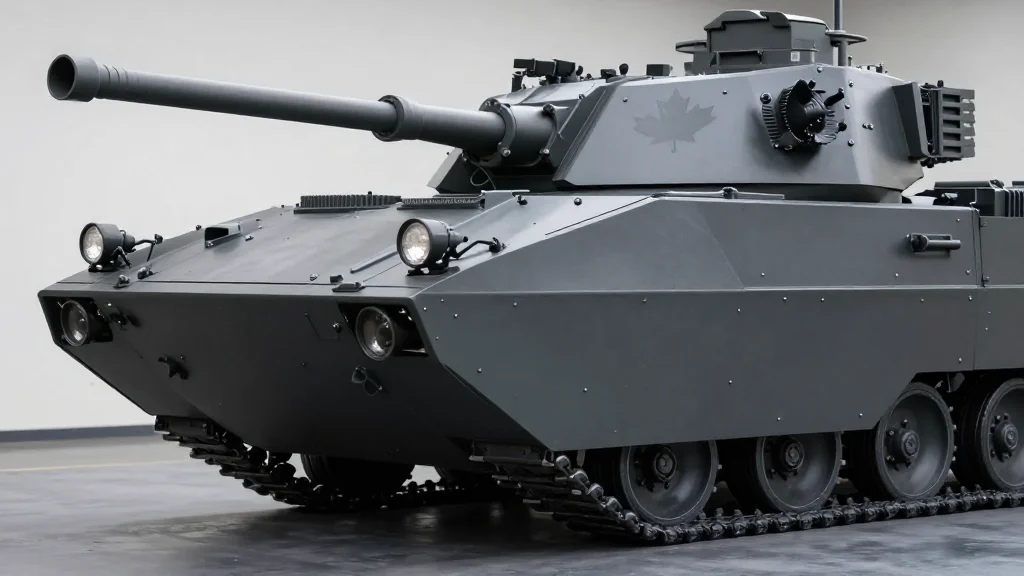
- •Proposed production line includes K10, Chunmoo, Redback, K9 Thunder and uncrewed ground vehicles.
- •APMA president Flavio Volpe highlighted a roughly one‑third drop in Canadian auto assembly since 2018.
- •The bid competes directly with Germany’s TKMS and could challenge General Dynamics Land Systems Canada.
- •Ottawa’s domestic‑content rules aim to generate thousands of jobs and stabilize the auto manufacturing sector.
Pulse Analysis
Hanwha’s strategy reflects a sophisticated use of defence procurement as an industrial policy lever. By bundling submarine sales with land‑system manufacturing, the company not only meets Canada’s domestic‑content criteria but also creates a long‑term revenue stream that extends beyond the lifespan of the submarines. This approach mirrors similar tactics in Europe, where shipbuilders attach ship‑building contracts to ancillary maintenance and retrofit facilities to lock in future work.
From a competitive standpoint, the Korean firm leverages its price‑flexibility and proven K‑9 platform to undercut European rivals, while offering a compelling narrative of job creation. The partnership with APMA also signals a willingness to embed itself within existing Canadian supply chains rather than imposing a wholly foreign production model. If successful, Hanwha could set a precedent for other Asian defence exporters seeking entry into North American markets, potentially reshaping the balance of power in the global arms trade.
However, the proposal carries risks. Integrating Korean designs with Canadian manufacturing standards will require significant technology transfer and regulatory alignment, potentially inflating costs and extending timelines. Moreover, political scrutiny over foreign ownership of critical defence assets could stall progress. The ultimate decision will hinge on whether Ottawa values immediate economic relief for its auto sector over the uncertainties inherent in a cross‑border industrial partnership.
Hanwha Pledges Canadian Vehicle Production if Submarine Contract Won
Comments
Want to join the conversation?
Loading comments...