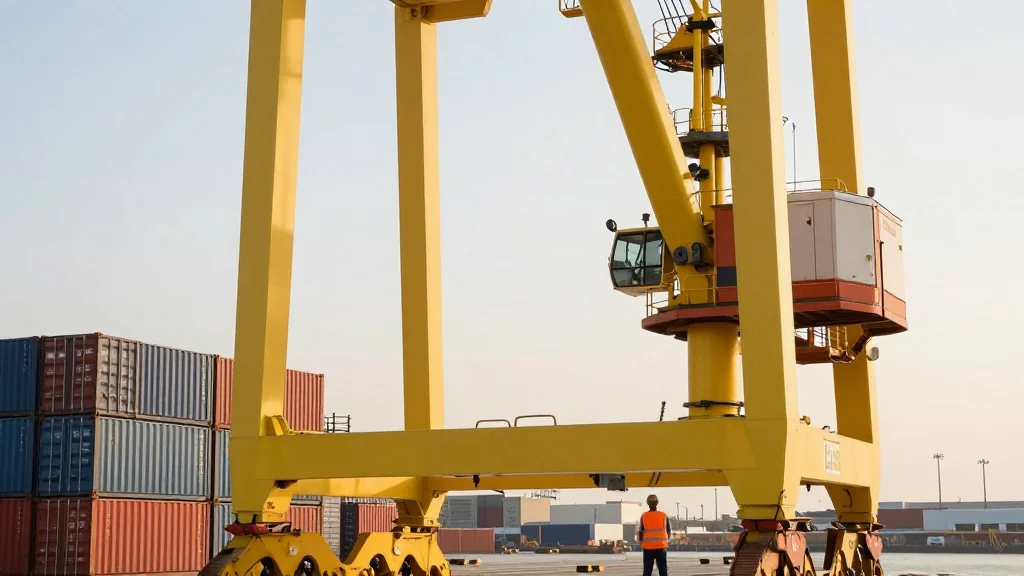
Heavy-Lift Trade Group Lobbies USTR for Relief From Crane, Trailer Tariffs
Why It Matters
Tariff relief could prevent cost spikes that threaten the timing and viability of critical U.S. infrastructure projects, preserving the heavy‑lift sector’s role in construction and defense supply chains.
Key Takeaways
- •SC&RA seeks exemption for crane, trailer imports from EU, Canada, Japan.
- •80% of US construction cranes are imported, domestic production negligible.
- •Tariffs add $300k‑$500k to crane costs, squeezing thin margins.
- •Industry urges 24‑month tariff phase‑in and no stacking with steel duties.
- •USTR response expected by July; relief could stabilize infrastructure timelines.
Pulse Analysis
The heavy‑lift and transport sector has become a flashpoint in the broader U.S. trade policy debate. Section 301 investigations, traditionally aimed at China, now encompass allies such as the EU, Canada and Japan, threatening to raise duties on essential crane and trailer components. Because more than four‑fifths of the cranes used on American construction sites are imported, any tariff increase directly inflates equipment costs. Moreover, the industry relies on ultra‑high‑strength steel that is not produced domestically at scale, creating a supply bottleneck that amplifies the impact of additional duties.
For developers of data centers, nuclear plants, LNG terminals and semiconductor fabs, the added $300,000‑$500,000 per crane translates into delayed project schedules and higher end‑user prices. Thin profit margins mean firms cannot simply absorb these charges; they must either pass costs to customers or postpone purchases, jeopardizing critical infrastructure timelines. The SC&RA’s request for a 24‑month phase‑in and a prohibition on stacking Section 301 tariffs atop existing Section 232 steel duties reflects a pragmatic effort to align trade policy with the realities of a supply‑constrained market.
Policymakers face a balancing act: protecting domestic industries while avoiding unintended consequences for sectors that depend on foreign‑made equipment. If the USTR grants the exemptions, it could stabilize the heavy‑lift market, sustain project pipelines, and preserve jobs tied to logistics and construction. Conversely, a denial may push firms to seek alternative sourcing strategies, potentially accelerating domestic manufacturing investments but at the cost of immediate project delays. The upcoming July decision will signal how trade enforcement will be calibrated against the nation’s infrastructure priorities.
Heavy-lift trade group lobbies USTR for relief from crane, trailer tariffs
Comments
Want to join the conversation?
Loading comments...