Henkel Adds Specialty Tapes and AI-Powered Adhesive Simulation to Its EV Battery Portfolio
Companies Mentioned
Why It Matters
By integrating low‑VOC tape solutions and AI‑based formulation tools, Henkel helps EV manufacturers shorten time‑to‑market, lower environmental impact, and improve battery lifecycle economics—a critical advantage as demand for electric vehicles surges.
Key Takeaways
- •Henkel launches Loctite Specialty Tapes for EV battery assembly
- •Loctite Solve uses AI to simulate adhesive formulations virtually
- •Tape solutions reduce VOC emissions and speed up production
- •Digital twin approach cuts development cycles for battery adhesives
- •Functional coatings support recycling and non‑destructive battery repair
Pulse Analysis
The electric‑vehicle market is entering a phase where battery performance, cost and sustainability are tightly intertwined. Adhesive technologies, traditionally a behind‑the‑scenes component, have become a strategic differentiator for manufacturers seeking higher energy density and faster assembly lines. Henkel, a long‑standing player in industrial adhesives, leveraged the Battery Show Europe stage to showcase how its expanded portfolio aligns with these pressures, positioning the company as a one‑stop supplier for the entire battery lifecycle.
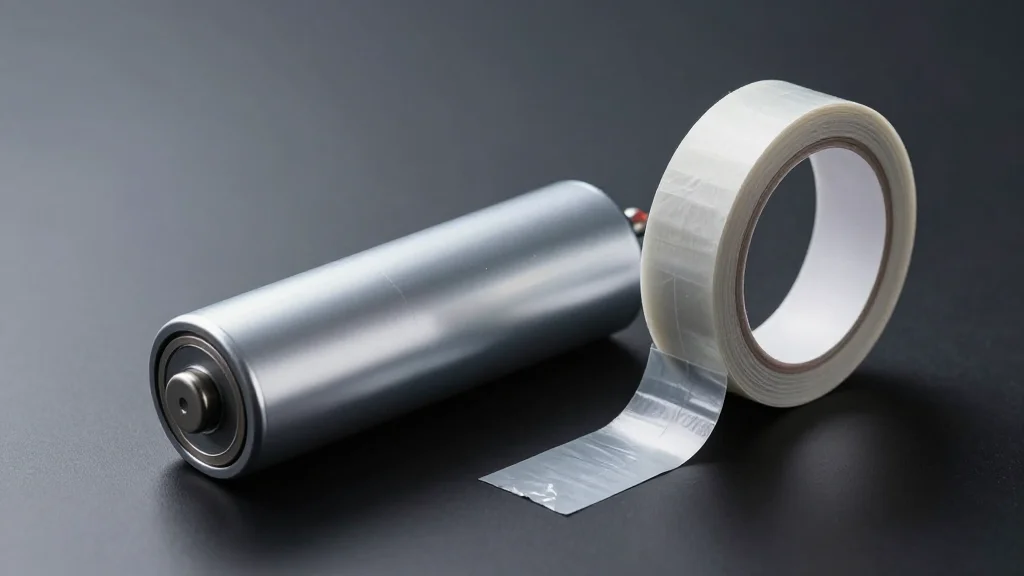
Loctite Specialty Tapes address several pain points in battery pack construction. Made from water‑based polymers, the tapes deliver low volatile organic compound (VOC) emissions, meeting stricter environmental regulations while simplifying handling and storage. Their design supports rapid, repeatable application for bonding, insulation, shielding and thermal management, reducing reliance on liquid adhesives that can be messier and slower to cure. For high‑volume manufacturers, the shift to tape‑based integration translates into shorter line times, lower defect rates and a greener production footprint.
The introduction of Loctite Solve marks a significant leap toward digitalization in materials engineering. By employing artificial intelligence to generate and test virtual adhesive formulations, engineers can create digital twins of new chemistries and predict performance metrics such as shear strength, thermal conductivity and durability. This capability moves material qualification upstream, cutting weeks or months of physical prototyping. In an industry where battery development cycles are under intense pressure, the ability to iterate virtually not only accelerates time‑to‑market but also reduces waste, supporting both cost efficiency and sustainability goals. Henkel’s combined tape and AI offerings therefore reinforce its role as an innovation hub for the evolving EV supply chain.
Henkel adds specialty tapes and AI-powered adhesive simulation to its EV battery portfolio
Comments
Want to join the conversation?
Loading comments...