How Are Food Processors Faring in 2026?
Companies Mentioned
Why It Matters
These dynamics reshape capital allocation, accelerate technology adoption, and redefine vendor relationships, influencing the competitive landscape of the global food‑processing sector.
Key Takeaways
- •Processors prioritize modular equipment over fixed-line lines
- •AI vision systems improve quality control, but ROI proof needed
- •Skilled technician shortage slows automation rollout
- •Customer service flexibility drives vendor selection in B2B food sector
- •Consolidation creates acquisition opportunities amid economic uncertainty
Pulse Analysis
The first quarter of 2026 shows food processors moving ahead with capital projects despite lingering macro‑economic headwinds. In the United States, stabilising interest rates and the easing of tariff pressures have given manufacturers the confidence to upgrade lines, especially as the protein and health‑focused consumer wave accelerates demand for meat‑rich and fortified products. To avoid being outpaced by rivals, firms are favouring modular, retrofit‑ready equipment that can be reconfigured quickly, rather than committing to large, fixed‑line installations. This flexibility reduces sunk‑cost risk while aligning capacity with volatile market signals.
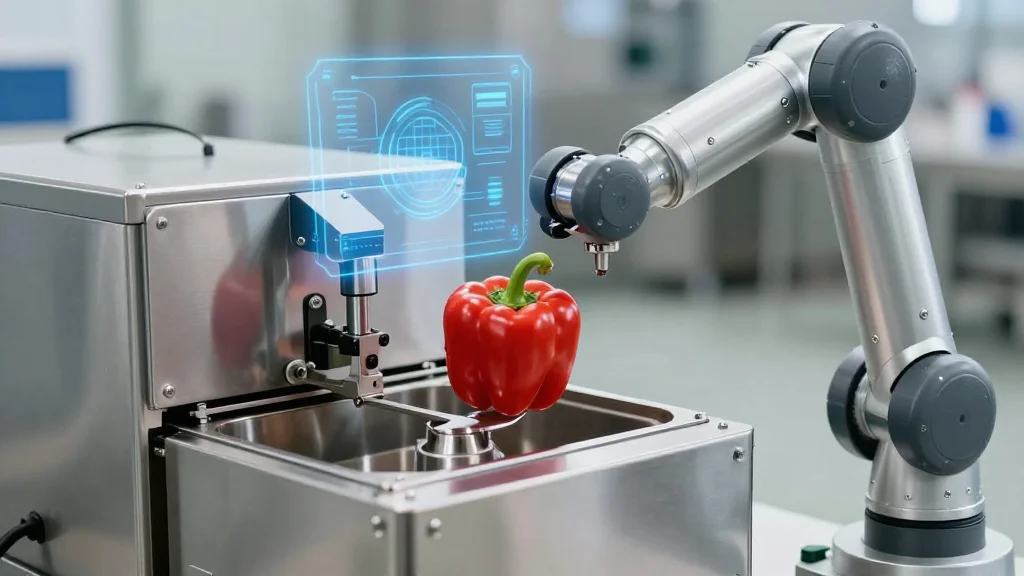
Automation and artificial intelligence are no longer experimental concepts but strategic levers for productivity. Robotics excel in repetitive, high‑volume tasks such as bakery decoration, while AI‑driven vision systems are delivering measurable gains in quality control and early defect detection on packaging lines. However, the rollout is tempered by three practical constraints: demonstrable ROI, the need for food‑safe equipment design, and a tightening pool of technicians capable of maintaining sophisticated hardware. Companies that invest in training programs or partner with specialist service firms are better positioned to translate technology spend into consistent throughput improvements.
Beyond technology, the competitive edge is shifting toward customer centricity in B2B relationships. Processors now evaluate vendors on service attributes—personal troubleshooting, consolidated invoicing, and responsive support—rather than solely on equipment specifications. This service‑first mindset is prompting consolidation among equipment suppliers, as larger, financially robust players acquire niche firms to broaden service portfolios and assure continuity for their client base. For processors, the dual pressures of rapid product reformulation driven by the FDA’s new ‘healthy’ definition and the need for adaptable, well‑served supply chains make vendor choice a critical strategic decision.
How Are Food Processors Faring in 2026?
Comments
Want to join the conversation?
Loading comments...