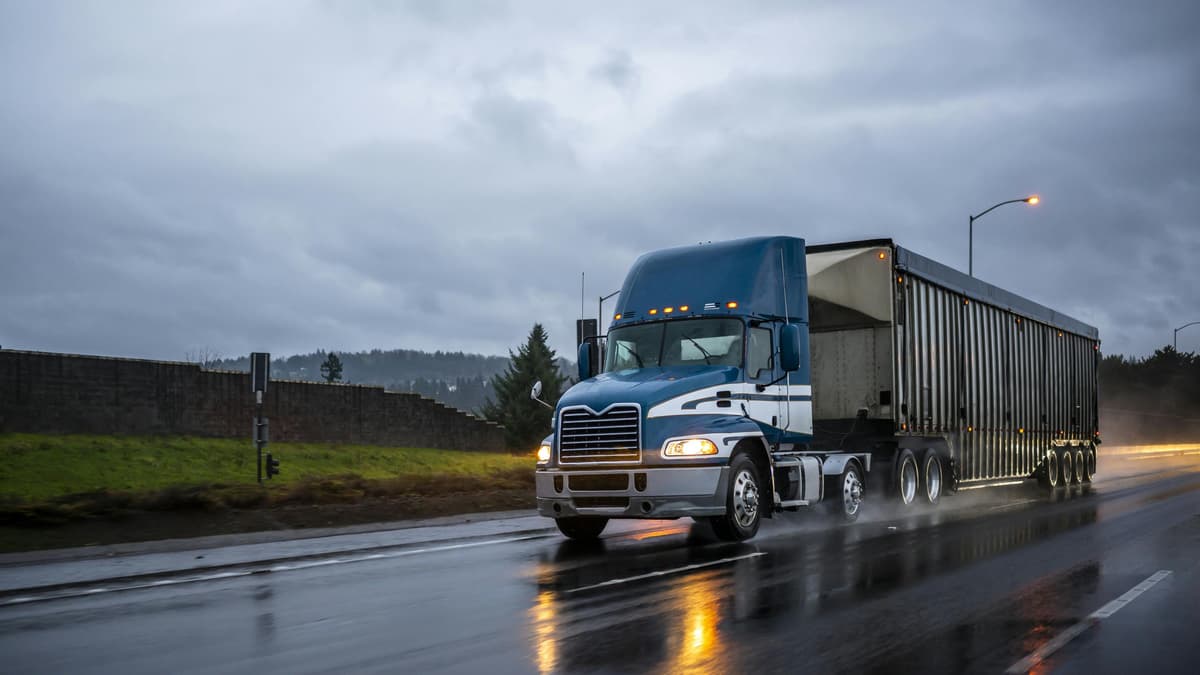
How Cargo Theft Is Changing in 2026
Companies Mentioned
Why It Matters
The spike in losses threatens supply‑chain profitability and highlights critical security gaps that could erode customer confidence across the logistics sector.
Key Takeaways
- •2025 cargo theft losses hit $725 million, a 60% increase YoY.
- •Confirmed theft incidents rose 18% to 2,646 cases in 2025.
- •“Trojan horse” drivers infiltrate vetted carriers to steal loads at pickup.
- •Email hacks and domain spoofing enable double‑brokering scams in 2026.
- •Point‑of‑pickup remains weakest link; high staff turnover hampers security.
Pulse Analysis
The freight sector is confronting a sharp surge in cargo theft, with Verisk CargoNet estimating losses of $725 million in 2025—a 60 percent jump from the prior year and likely a fraction of the true cost. Confirmed incidents climbed 18 percent to 2,646, underscoring a systemic vulnerability that ripples through manufacturers, retailers, and end‑consumers. Tight capacity markets, driven by a sluggish U.S. economy and geopolitical tensions, pressure carriers to accept loads quickly, often at the expense of rigorous vetting, amplifying exposure to theft.
Criminals have adapted by embedding themselves inside legitimate fleets, a tactic dubbed the “Trojan horse” scam. Drivers hired for six months or more can bypass carrier‑screening platforms, then abandon a load at the pickup point while accomplices remove the cargo. Simultaneously, sophisticated email infiltration—ranging from domain spoofing to TeamViewer‑level system access—allows thieves to create fake broker accounts and execute double‑brokering schemes. These digital maneuvers erase paper trails, making detection harder and forcing shippers to rely on advanced authentication tools and real‑time driver verification.
Industry leaders stress that the point of pickup remains the most vulnerable node, where high employee turnover limits awareness of evolving threats. Targeted training, private sharing of mitigation tactics, and deployment of AI‑driven verification at loading docks can close the gap without slowing operations. While capacity constraints tempt firms to relax vetting, the cost of a single high‑value theft—often exceeding $100,000—far outweighs the marginal savings of a rushed acceptance. As thieves continue to refine their playbook, a coordinated, technology‑first approach will be essential to safeguard supply‑chain integrity. Investing now in resilient verification systems will pay dividends as the threat landscape evolves.
How cargo theft is changing in 2026
Comments
Want to join the conversation?
Loading comments...