How Is Agentic AI Revolutionizing Worker Safety in the Field?
Why It Matters
By reducing incidents and regulatory breaches, agentic AI delivers both a moral imperative and a competitive edge for energy firms, translating safety gains into lower costs and higher operational efficiency.
Key Takeaways
- •Agentic AI creates adaptive safety perimeters and predicts hazards in real time.
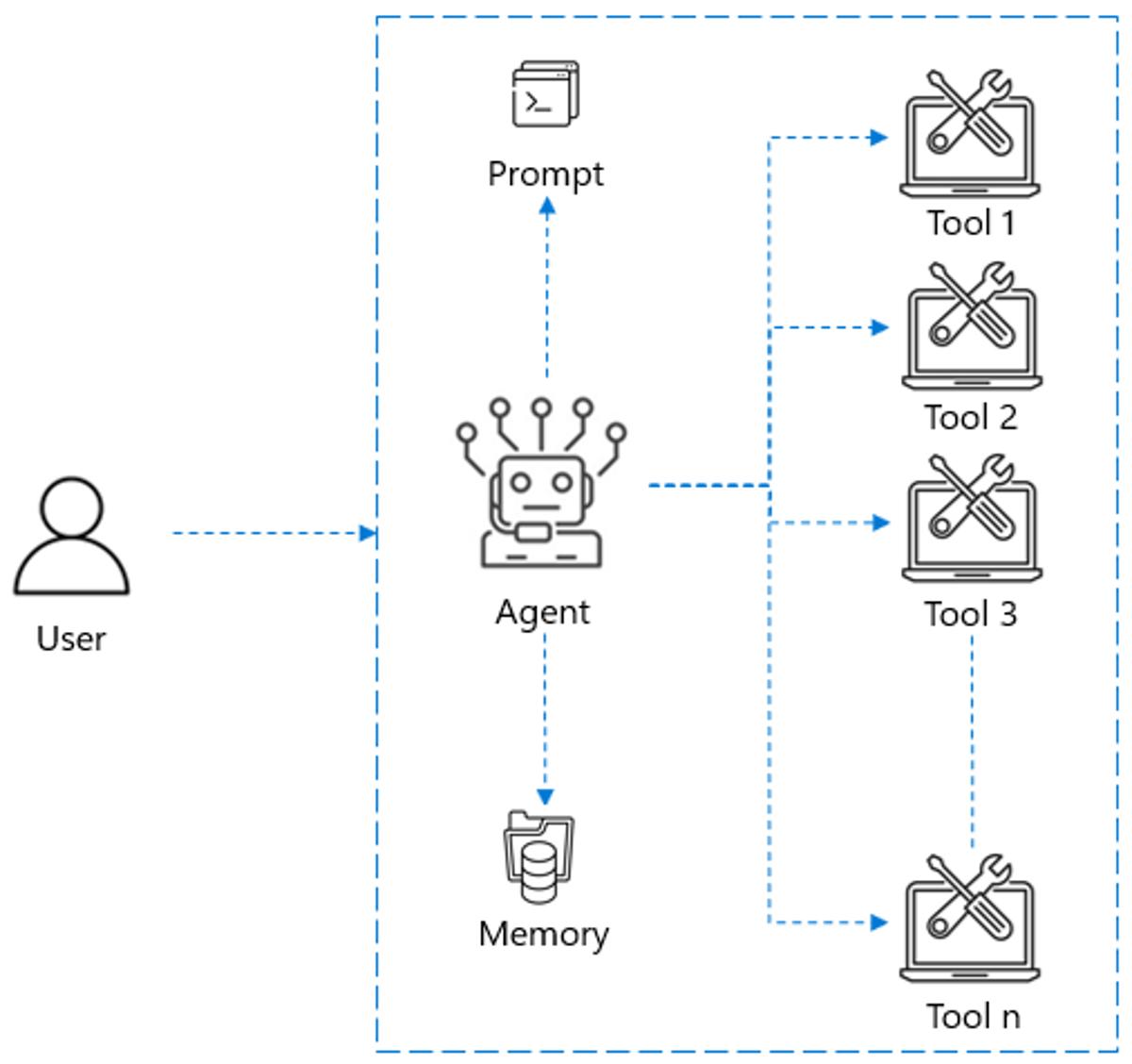
- •Multi‑agent architecture coordinates environmental, equipment, and compliance agents via a supervisor.
- •Early deployments cut incident alerts and improved safe confined‑space entries.
- •Cybersecurity, latency, and false‑alert challenges hinder rapid adoption.
- •AR, drones, and digital twins broaden future industrial safety applications.
Pulse Analysis
The energy industry’s safety landscape has long been plagued by static protocols that struggle to keep pace with rapidly shifting hazards on manufacturing floors, field sites, and grid facilities. Traditional systems rely on pre‑written checklists and periodic updates, leaving gaps when unexpected conditions arise. Agentic AI introduces a paradigm shift: autonomous agents continuously ingest sensor data, weather feeds, and operational metrics, then reason about emerging risks and issue instant, context‑aware guidance to workers and supervisors. This real‑time intelligence bridges the latency gap that has historically cost lives and productivity.
At the core of this transformation is a multi‑agent architecture where specialized AI nodes—monitoring environmental conditions, equipment health, regulatory compliance, and emergency resources—communicate through a supervisory orchestrator. The supervisor synthesizes inputs, resolves conflicts, and delivers concise safety briefings directly to field technicians. Pilot deployments, such as the safety‑guard solution at a high‑voltage transformer plant, have shown measurable benefits: early detection of SF6 gas leaks, automated lockout‑tagout enforcement, and seamless coordination of rescue assets, all without human‑initiated triggers. These outcomes translate into fewer near‑misses, reduced downtime, and demonstrable compliance with OSHA and OSHA‑like standards.
Despite promising results, scaling agentic AI faces hurdles. Cyber‑attack vectors targeting sensor spoofing or model manipulation demand robust encryption, differential privacy, and federated learning safeguards. Achieving sub‑100‑millisecond response times requires edge computing and dedicated communication channels, while initial false‑alert rates can erode worker trust. Nonetheless, the convergence of augmented reality headsets, autonomous inspection drones, and digital twins is expanding the safety envelope, offering immersive hazard visualization and remote expert support. Companies that navigate these technical and cultural challenges will secure a strategic advantage—enhanced worker protection, lower insurance premiums, and a reputation for pioneering resilient, future‑ready operations.
How is agentic AI revolutionizing worker safety in the field?
Comments
Want to join the conversation?
Loading comments...