How Israel-Based 3D Printing Businesses Navigate the Middle East Conflict
Key Takeaways
- •Record sales to defense and aerospace sectors
- •Shelters and warning apps enable uninterrupted production
- •Remote work offsets reduced international travel
- •Overseas offices cushion staffing shortages
Pulse Analysis
Israel has emerged as a hub for advanced additive manufacturing, supplying both industrial equipment and bespoke components to a range of sectors. Even as missile alerts ripple across the country, the sector’s deep integration with defense and aerospace markets has turned conflict into a catalyst for demand, driving sales to historic highs. This surge underscores how geopolitical tension can reshape market dynamics, pushing manufacturers to prioritize secure, high‑precision parts for military applications.
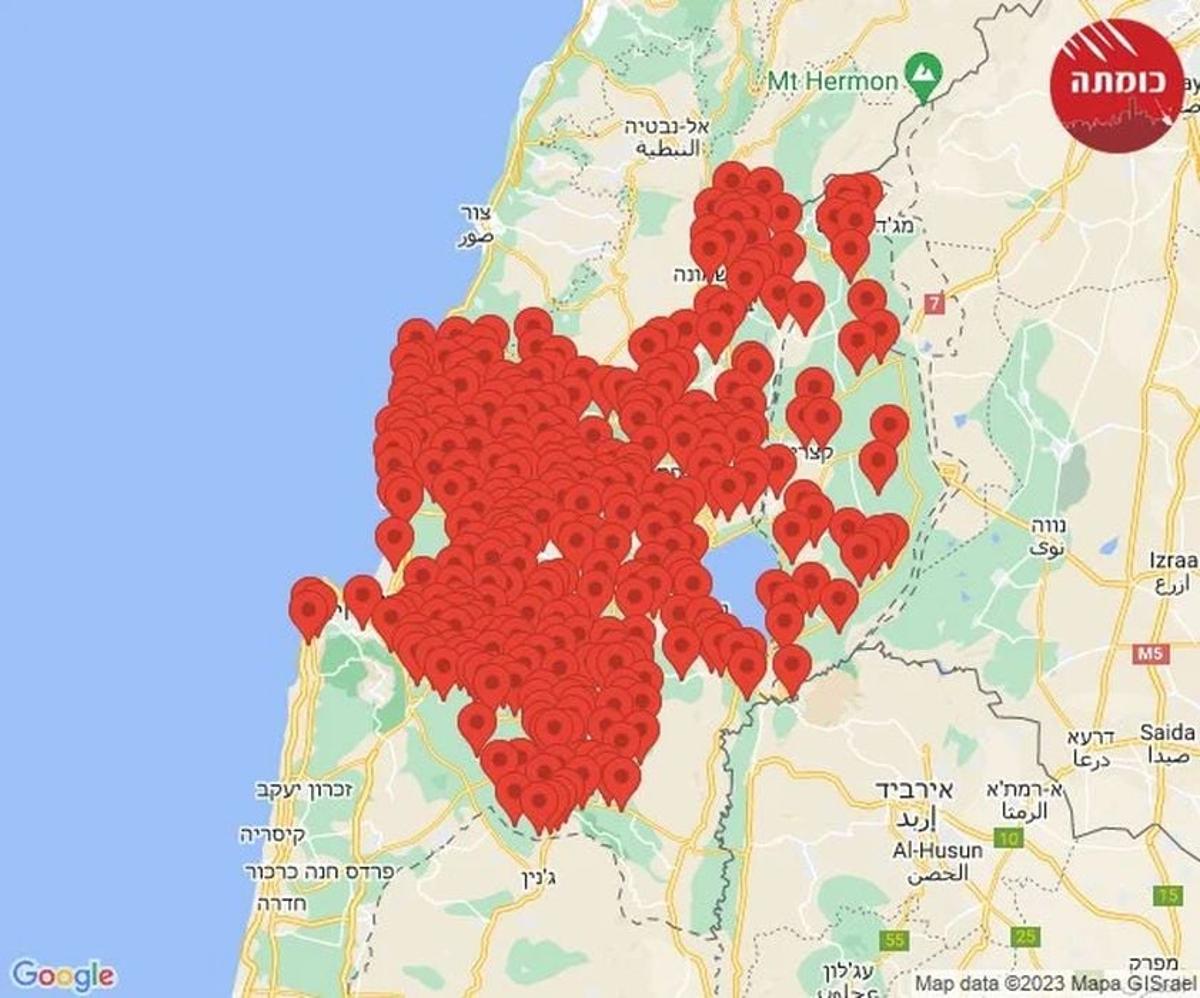
Operational continuity hinges on Israel’s long‑standing civil‑defense standards. Mandatory reinforced‑concrete shelters and a nation‑wide siren network mean workers can halt production for a few minutes and resume without damage to equipment. Companies have also leveraged digital tools—mobile alerts, cloud‑based design platforms, and remote collaboration suites—to keep engineering teams productive while travel bans limit face‑to‑face meetings. The result is a surprisingly stable output flow, with only marginal delays reported.
For investors and supply‑chain managers, the Israeli 3D‑printing ecosystem offers a case study in resilience. Firms with diversified footprints, including facilities outside the conflict zone, have insulated themselves from local disruptions. This geographic spread, combined with a workforce accustomed to rapid mobilization, positions the sector to meet post‑conflict demand spikes. As global manufacturers seek reliable partners for critical components, Israel’s blend of technological expertise and crisis‑ready infrastructure could become a benchmark for other regions facing instability.
How Israel-Based 3D Printing Businesses Navigate the Middle East Conflict
Comments
Want to join the conversation?