How Manufacturing Lighter and More Durable Building Materials Translates Into Better Climate Outcomes
•March 1, 2026
0
Why It Matters
Reducing product weight without sacrificing durability delivers measurable emissions savings, helping builders meet tightening climate reporting standards and enhancing USG’s competitive edge.
Key Takeaways
- •UltraLight panels weigh significantly less than traditional drywall.
- •Durability matches or exceeds conventional wallboard performance.
- •Lower transport weight cuts fuel use and CO₂ emissions.
- •Supports builders’ Scope 3 emissions reporting requirements.
- •USG leverages R&D hub to drive sustainable product innovation.
Pulse Analysis
Construction remains one of the most carbon‑intensive sectors, and product weight has emerged as a surprisingly powerful lever for emissions reduction. Every ton of drywall saved translates into fewer truck miles, lower fuel burn, and reduced Scope 3 carbon footprints across the supply chain. USG, with nearly 125 years in gypsum manufacturing, recognized this lever early and has invested in a network of 50 U.S. plants and a dedicated Corporate Innovation Centre to re‑engineer its core offerings for climate resilience.
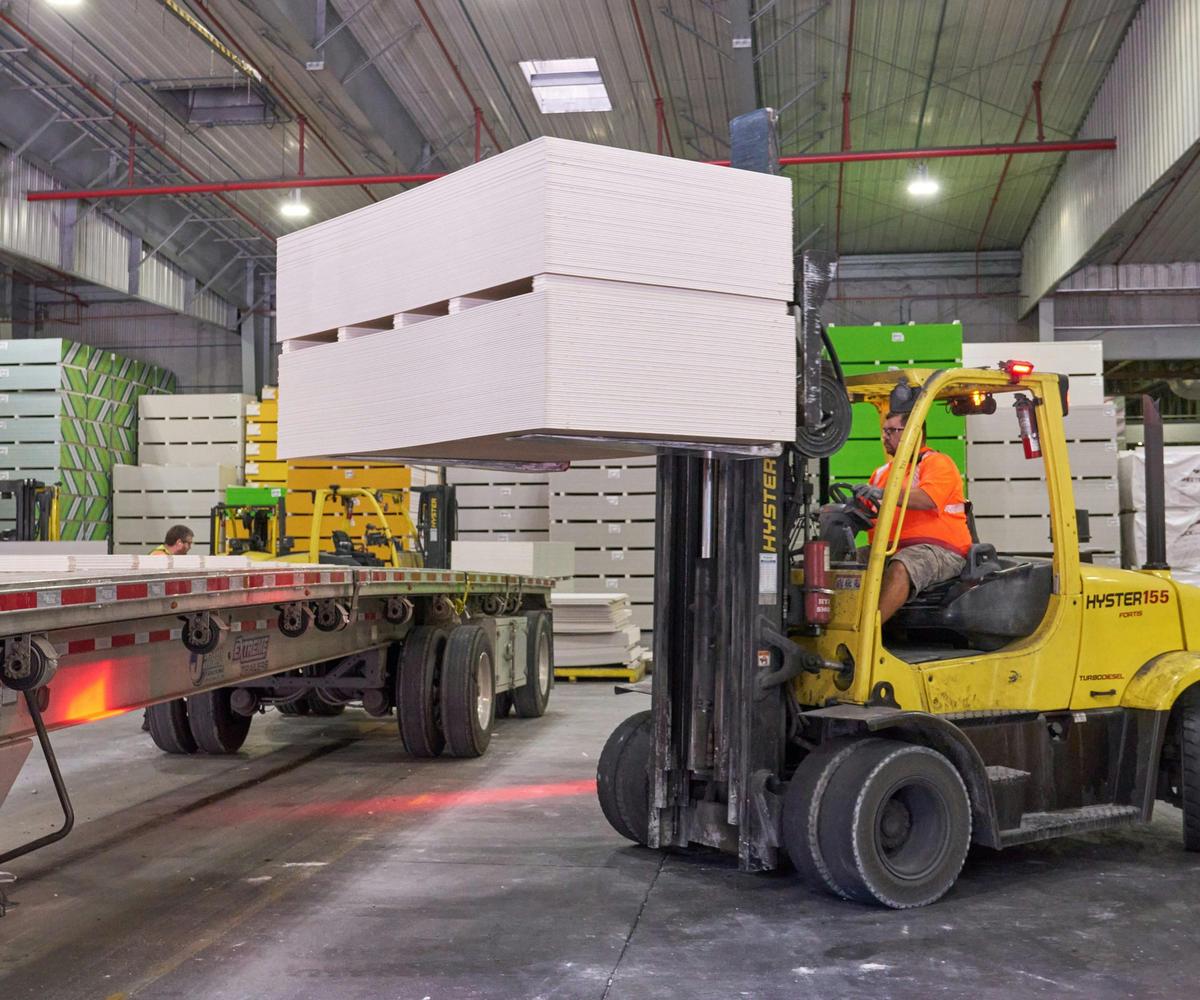
The newly released UltraLight Tough Panels embody that strategy. By reformulating gypsum blends and employing high‑efficiency extrusion processes, USG achieved a weight drop of up to 30 percent while reinforcing the board’s tensile strength, fire resistance, and moisture barrier properties. The panels retain the handling characteristics that contractors expect, eliminating the risk of breakage that could negate transportation gains. This blend of lightweight design and rugged performance positions the product as a practical, low‑carbon alternative for residential and commercial projects alike.
Market implications are immediate. Builders facing stricter emissions reporting—particularly Scope 2 and Scope 3 metrics—can now count material weight reductions toward compliance, satisfying investors and insurers demanding greener portfolios. Regulatory trends at federal and state levels are nudging the industry toward transparent carbon accounting, and products like USG’s UltraLight panels provide a ready‑made solution. As the construction sector scales up its sustainability commitments, manufacturers that embed climate considerations into core product design will capture a growing share of the market, and USG’s innovation pipeline suggests it aims to stay ahead of that curve.
How Manufacturing Lighter and More Durable Building Materials Translates into Better Climate Outcomes
0
Comments
Want to join the conversation?
Loading comments...