How Precision Machining Is Powering the Future of Innovation
Why It Matters
The advances lower cost and lead times for critical components, giving manufacturers a competitive edge in high‑growth sectors such as aerospace and robotics while supporting greener production practices.
Key Takeaways
- •5‑axis CNC achieves nanometer tolerances, reducing waste
- •AI monitors vibration, torque, adjusting cuts in real time
- •Hybrid machining merges 3D printing with CNC for complex internal features
- •Digital twins simulate machine behavior, enabling predictive maintenance
- •Lights‑out production cuts lead times, boosts throughput
Pulse Analysis
Precision machining today is defined by its ability to deliver parts with nanometer‑scale tolerances across a range of materials—from aerospace‑grade alloys to advanced ceramics. Multi‑axis CNC platforms, especially 5‑ and 6‑axis machines, eliminate the need for multiple setups, dramatically cutting cycle times and scrap rates. This capability underpins the production of critical components such as jet‑engine brackets, robotic gearsets, and custom medical implants, where even microscopic deviations can compromise performance or safety.
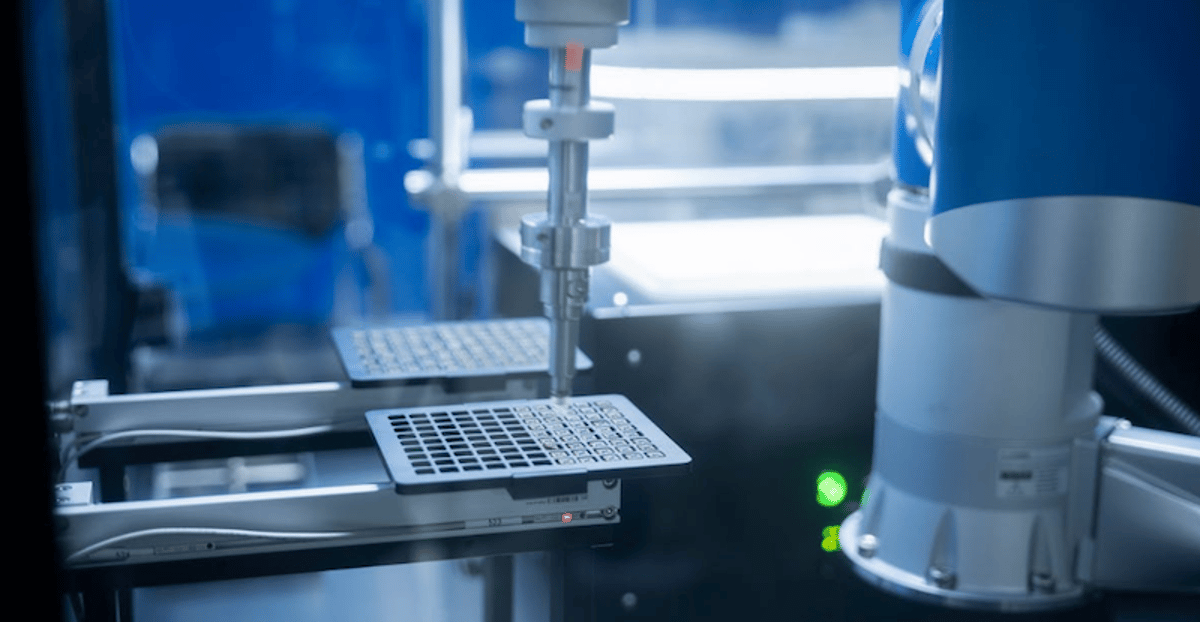
The infusion of AI, IoT sensors, and Industry 4.0 connectivity has transformed the shop floor into a self‑optimizing ecosystem. Real‑time monitoring of vibration, torque, and temperature allows machines to adjust cutting parameters on the fly, while digital twins provide a virtual replica for predictive maintenance and process simulation. These technologies enable lights‑out production, where robotic arms handle loading, tool changes, and inspection without human intervention, delivering faster throughput and consistent quality.
Looking ahead, hybrid machining—combining additive manufacturing with subtractive finishing—opens new design horizons by allowing internal geometries that were previously impossible to machine. Ultra‑precision techniques are expanding into smart ceramics and high‑performance composites, supporting next‑generation sensors and quantum‑computing hardware. Sustainability is also becoming a strategic priority, with minimum‑quantity lubrication, recycled alloys, and optimized toolpaths reducing waste and energy consumption. Companies that adopt these innovations will not only meet the escalating performance demands of high‑tech industries but also gain a clear cost and environmental advantage.
How Precision Machining is Powering the Future of Innovation
Comments
Want to join the conversation?
Loading comments...