How to Sustain Valve Operation Through Proper Lubrication
Why It Matters
Effective valve lubrication directly reduces downtime, maintenance costs, and safety risks, making it a critical reliability lever for process industries. Consistent grease management safeguards equipment integrity and protects against costly leaks or failures.
Key Takeaways
- •Proper lubrication cuts valve wear and operating torque
- •Grease choice depends on fluid pH, temperature, and pressure
- •OS&Y gate valves benefit from visible stem greasing points
- •Quarterly inspections prevent leaks and extend valve service life
Pulse Analysis
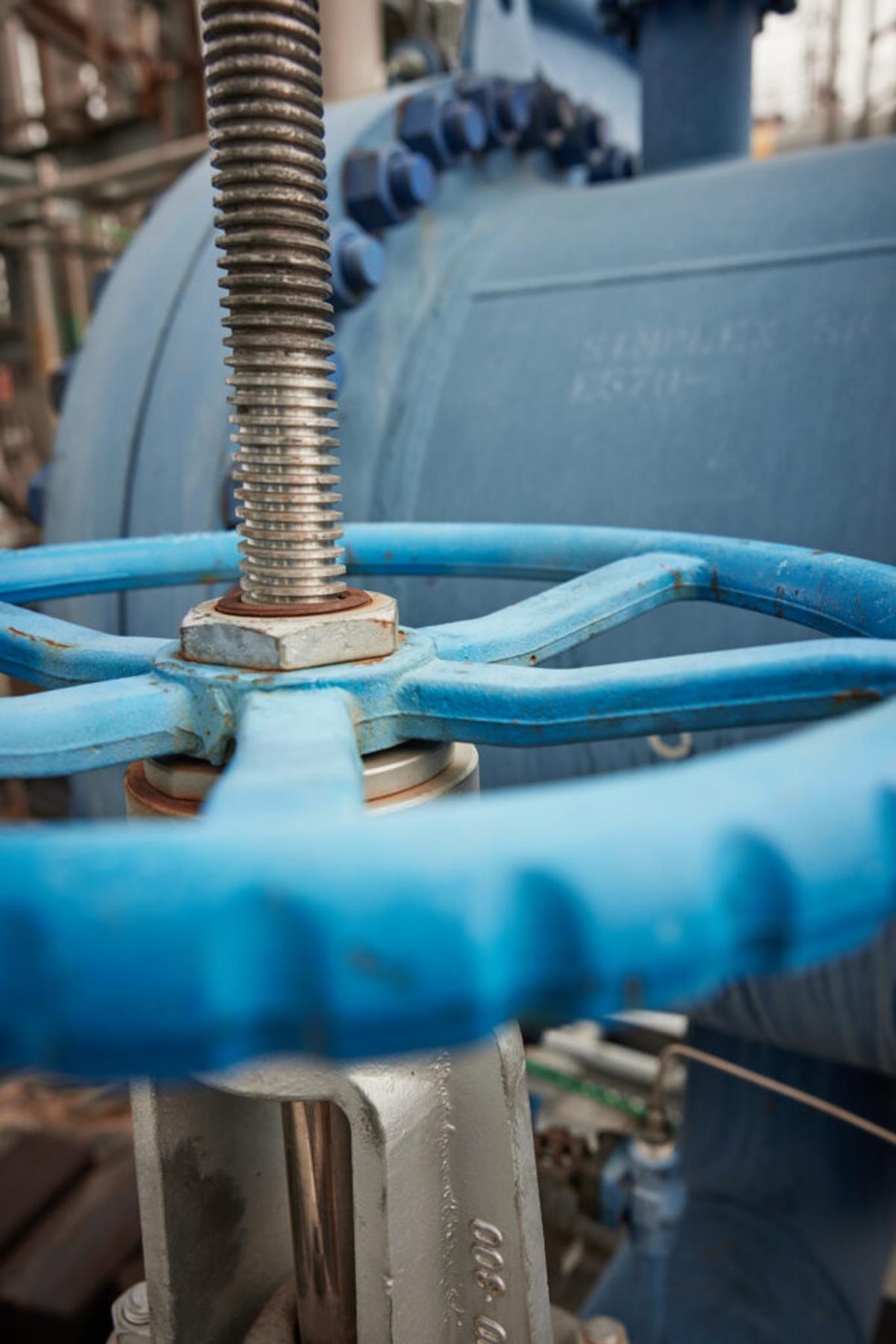
Industrial valves are the heartbeat of fluid‑handling systems, yet their moving parts—stems, O‑rings, seats, and actuators—are vulnerable to friction, corrosion, and wear. When lubricants are applied correctly, they form a protective film that reduces torque, prevents metal‑to‑metal contact, and seals against process fluids. Different valve families have unique demands: gate and OS&Y valves expose stems for easy greasing, ball valves rely on seat lubrication to avoid washout, and diaphragm valves isolate moving components, limiting grease points to actuator threads. Understanding these nuances helps engineers design maintenance programs that keep critical flow paths operational.
Choosing the right grease is a science of chemistry and operating conditions. High‑pH environments favor alkaline calcium sulfonate complexes, while acidic streams are best served by slightly acidic lithium complexes. For extreme temperatures, polyalphaolefin (PAO) synthetics stay fluid in arctic climates and remain stable up to roughly 350°F (177°C); above that, solid lubricants such as graphite or molybdenum disulfide become necessary. Pressure also influences formulation—tackified greases resist displacement in high‑pressure valves that may see up to 15,000 psi. By matching grease chemistry to fluid compatibility, temperature range, and load, plants avoid premature grease breakdown and maintain seal integrity.
A disciplined maintenance schedule translates these technical choices into tangible reliability gains. Manufacturers typically recommend regreasing every 60 cycles for gate valves or quarterly for most valve types, with accelerated intervals for aggressive chemicals or high‑temperature service. Practices include purging old grease, inspecting packing glands, and using grease fittings or zerk points without depressurizing the line when safe. Quarterly inspections of actuators and gearboxes, coupled with annual fluid changes for pneumatic and hydraulic systems, further guard against leaks and equipment failure. Implementing such proactive lubrication regimes reduces unplanned outages, cuts repair expenses, and upholds safety standards across the plant.
How to sustain valve operation through proper lubrication
Comments
Want to join the conversation?
Loading comments...