Hybrid Heating Technology Offers Cement Producers Flexibility
Companies Mentioned
Why It Matters
The solution gives a carbon‑reduction pathway that does not force cement makers to abandon reliable fuel sources, lowering emissions risk while protecting margins against volatile energy prices.
Key Takeaways
- •NOC's hybrid heater adds electric heat to existing kilns
- •Induction coils stay cool, extending equipment lifespan at 1,200°C
- •System stores thermal energy, enabling electricity price arbitrage
- •Maintains fossil‑fuel backup, reducing risk from volatile power markets
- •Demonstration units slated for French cement and glass plants by 2026
Pulse Analysis
The cement sector faces mounting pressure to cut CO₂ emissions, yet its core process—clinker production in high‑temperature kilns—has long depended on coal and natural gas. Traditional electrification routes require costly retrofits or complete plant overhauls, creating a barrier for many operators. NOC Energy’s hybrid approach sidesteps this hurdle by attaching an induction‑based heater to existing infrastructure, delivering up to 1,200 °C without replacing the furnace itself. This incremental step enables producers to dip a toe into decarbonisation while preserving the operational familiarity of legacy fuel systems.
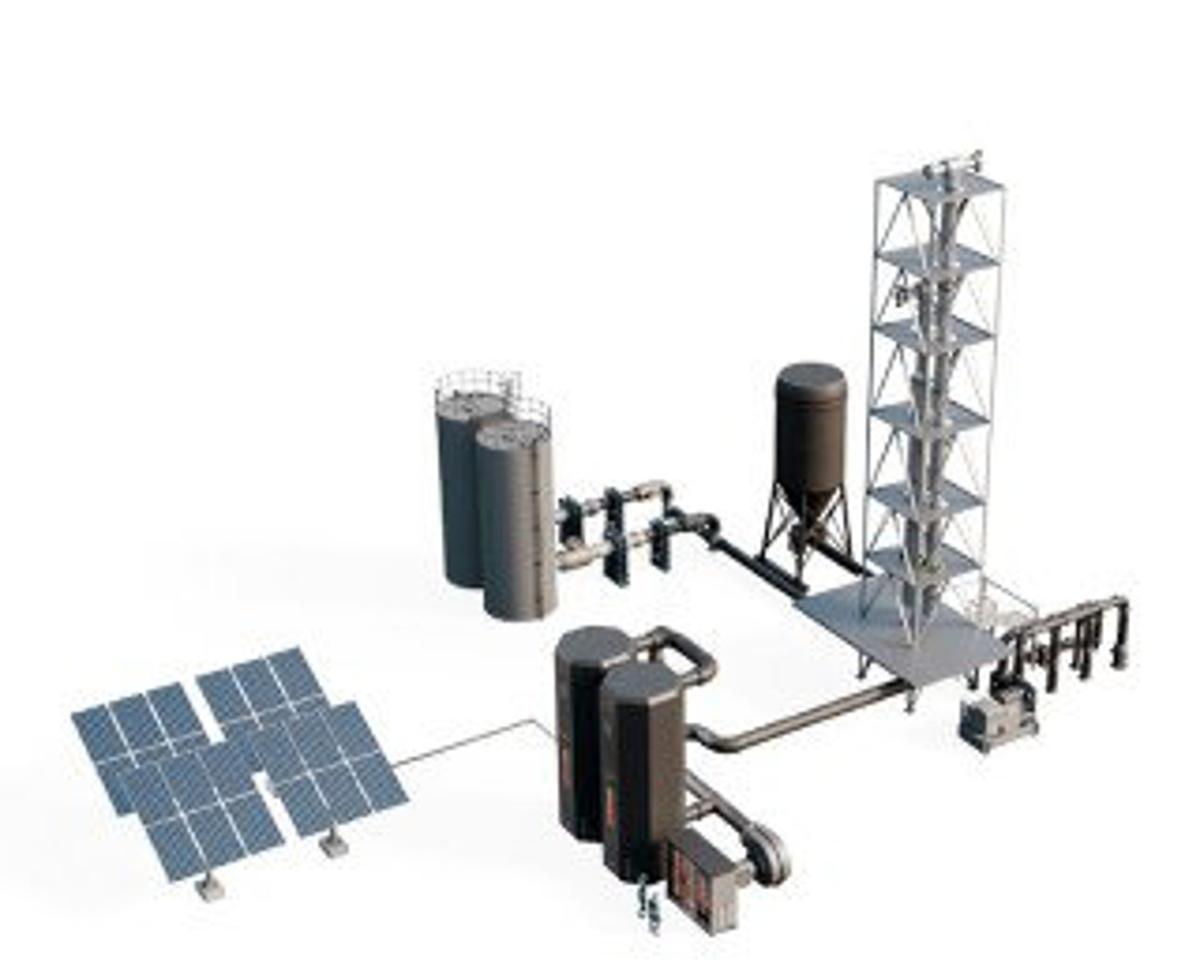
At the heart of the technology are copper coils that generate magnetic fields, heating steel spheres inside insulated ceramic containers. Because the coils remain at ambient temperature, they avoid the rapid degradation typical of resistive heaters operating at extreme heat, translating into longer service intervals and lower maintenance costs. The heated spheres transfer hot air to the kiln, and the system’s thermal storage capability holds that heat for several hours. This storage function creates a financial arbitrage opportunity: plants can draw electricity when renewable generation is abundant and cheap, then deploy the stored heat during peak price periods, smoothing energy expenditures and reducing reliance on volatile fossil‑fuel markets.
The commercial implications are significant. With pilot installations slated for French cement and glass plants by mid‑2026, NOC Energy is positioning its hybrid solution as a bridge technology that aligns emissions targets with real‑world economic constraints. Investors and policymakers see value in a scalable, low‑risk pathway that can be adopted across the fragmented global cement landscape. If the pilots demonstrate reliable performance and cost savings, the model could accelerate broader industry uptake, contributing to the sector’s long‑term decarbonisation roadmap while safeguarding energy security.
Hybrid heating technology offers cement producers flexibility
Comments
Want to join the conversation?
Loading comments...