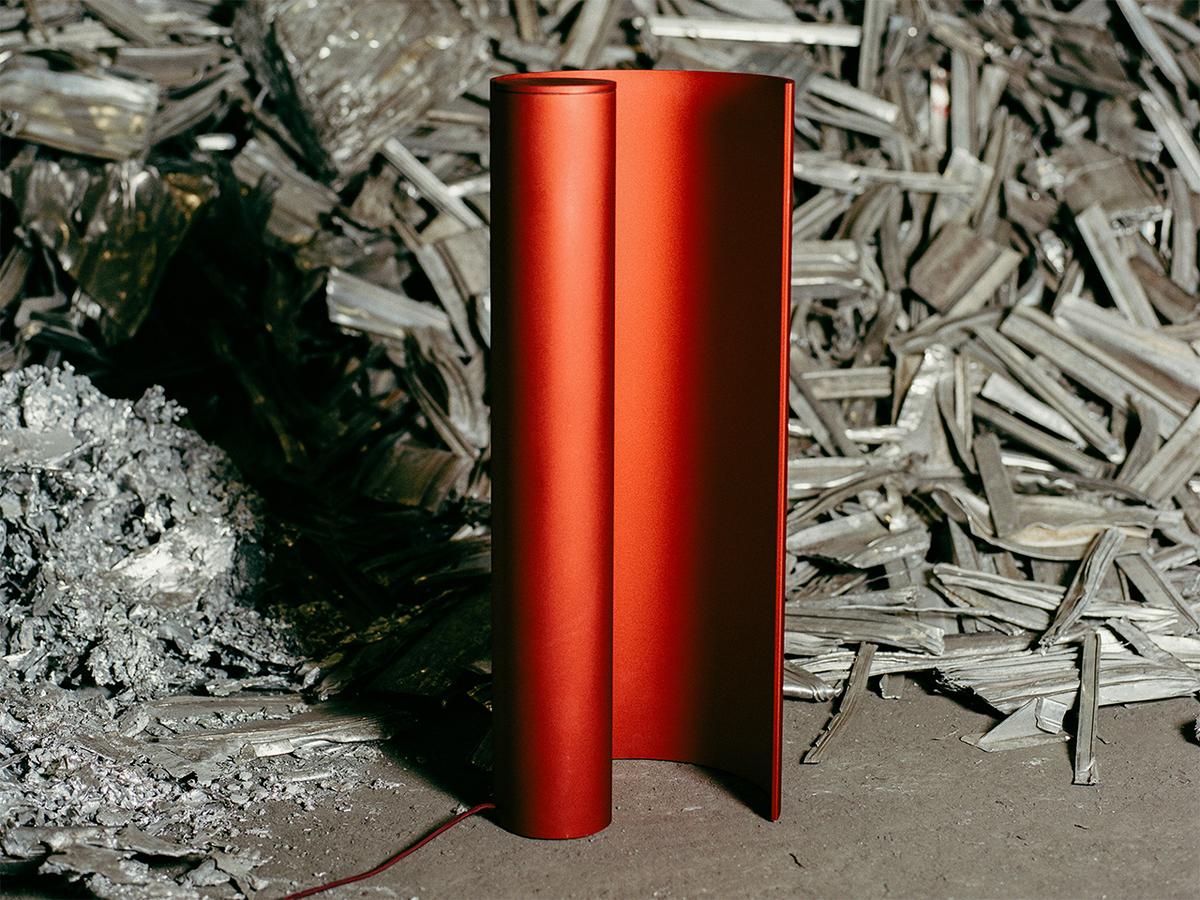
Hydro Is the Norwegian Firm Making Aluminium the Designer’s Material of Choice
Why It Matters
The project demonstrates that high‑volume aluminium recycling can meet design‑grade standards while slashing carbon emissions, offering a scalable model for circular manufacturing. It positions Hydro as a leader in sustainable material innovation, attracting premium design clients and reinforcing its market resilience.
Key Takeaways
- •Hydro’s Circal 100R emits 0.4 kg CO₂ per kg, vs 14.8 kg avg.
- •R100 program keeps scrap collection to finished product within 100 km.
- •Designers created lamps and bins, proving aluminium’s aesthetic versatility.
- •Hydro aims to double post‑consumer aluminium use to 1.2 M tonnes by 2030.
Pulse Analysis
Hydro’s R100 initiative illustrates how the aluminium sector can embed circularity at scale. By sourcing post‑consumer scrap locally and processing it in a 1,000‑degree furnace, the company eliminates the need for long‑haul transport, cutting logistics emissions and keeping the material loop tight. The resulting Circal 100R alloy retains the mechanical properties of virgin aluminium while delivering a carbon intensity of just 0.4 kg CO₂ per kilogram, a stark contrast to the global average of nearly 15 kg. This low‑carbon profile aligns with growing corporate sustainability mandates and offers a tangible pathway for heavy‑industry decarbonisation.
The collaboration with five leading designers transforms recycled aluminium from a raw commodity into a premium design medium. Pieces like Sabine Marcelis’s Light Wings lamps and Stefan Diez’s sculptural waste bins showcase aluminium’s lightweight, malleable nature and its capacity for vibrant anodised finishes. By integrating LED technology and designing for disassembly, the products embody cradle‑to‑cradle principles, reinforcing the narrative that recycled materials can meet high‑end aesthetic standards. This design‑driven visibility not only elevates Hydro’s brand but also expands market demand for recycled aluminium in furniture, lighting, and interior architecture.
Strategically, Hydro leverages R100 to future‑proof its business model. The company plans to boost post‑consumer aluminium input from 450,000 tonnes in 2024 to up to 1.2 million tonnes by 2030, effectively more than doubling its recycled feedstock. While capacity exists, the bottleneck lies in securing sufficient scrap, prompting Hydro to cultivate new local partnerships for bending, anodising, and finishing. This localized supply chain reduces dependency on distant suppliers, enhances resilience, and creates a replicable blueprint for other material producers seeking to marry mass production with sustainability. In an era where investors and regulators scrutinise carbon footprints, Hydro’s approach offers a compelling case study of how industrial giants can turn waste into design‑grade products while driving down emissions.
Hydro is the Norwegian firm making aluminium the designer’s material of choice
Comments
Want to join the conversation?
Loading comments...